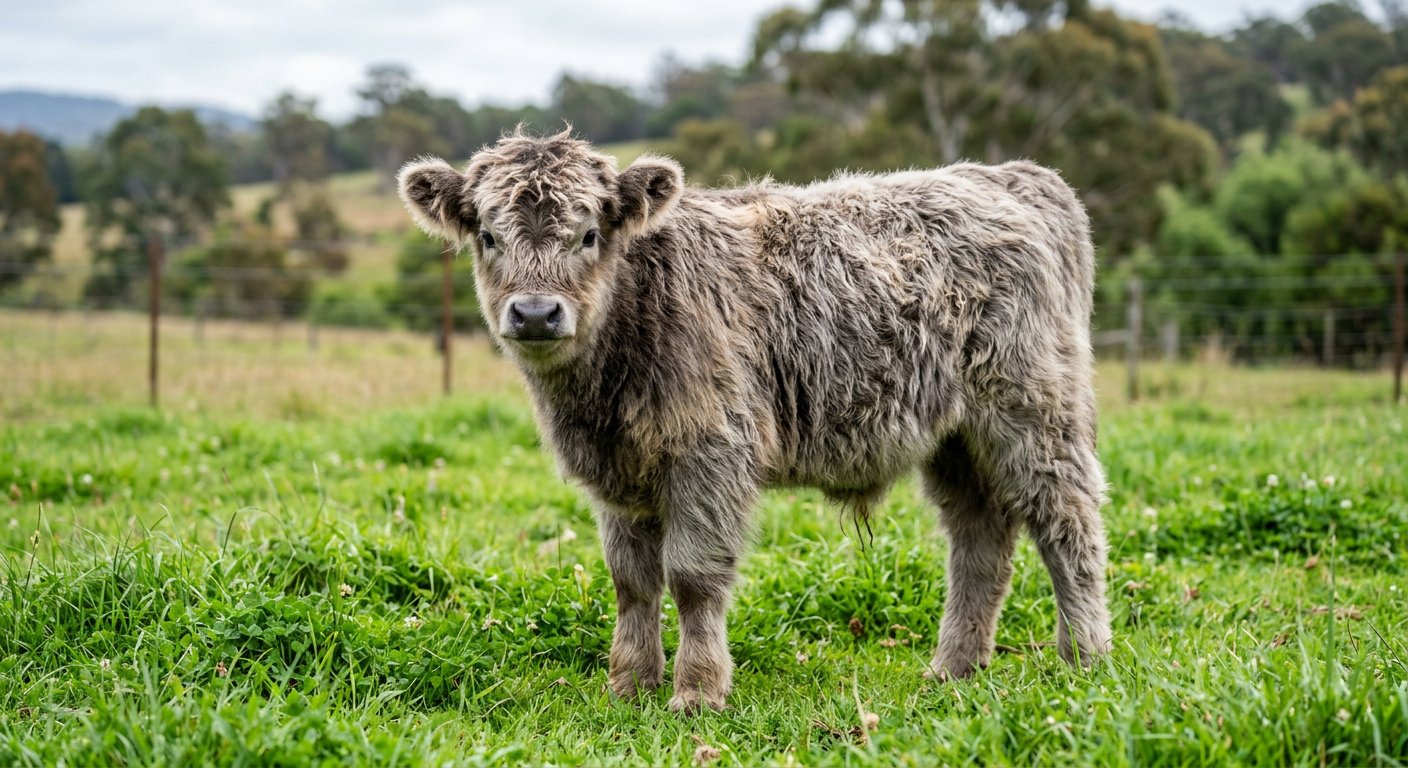
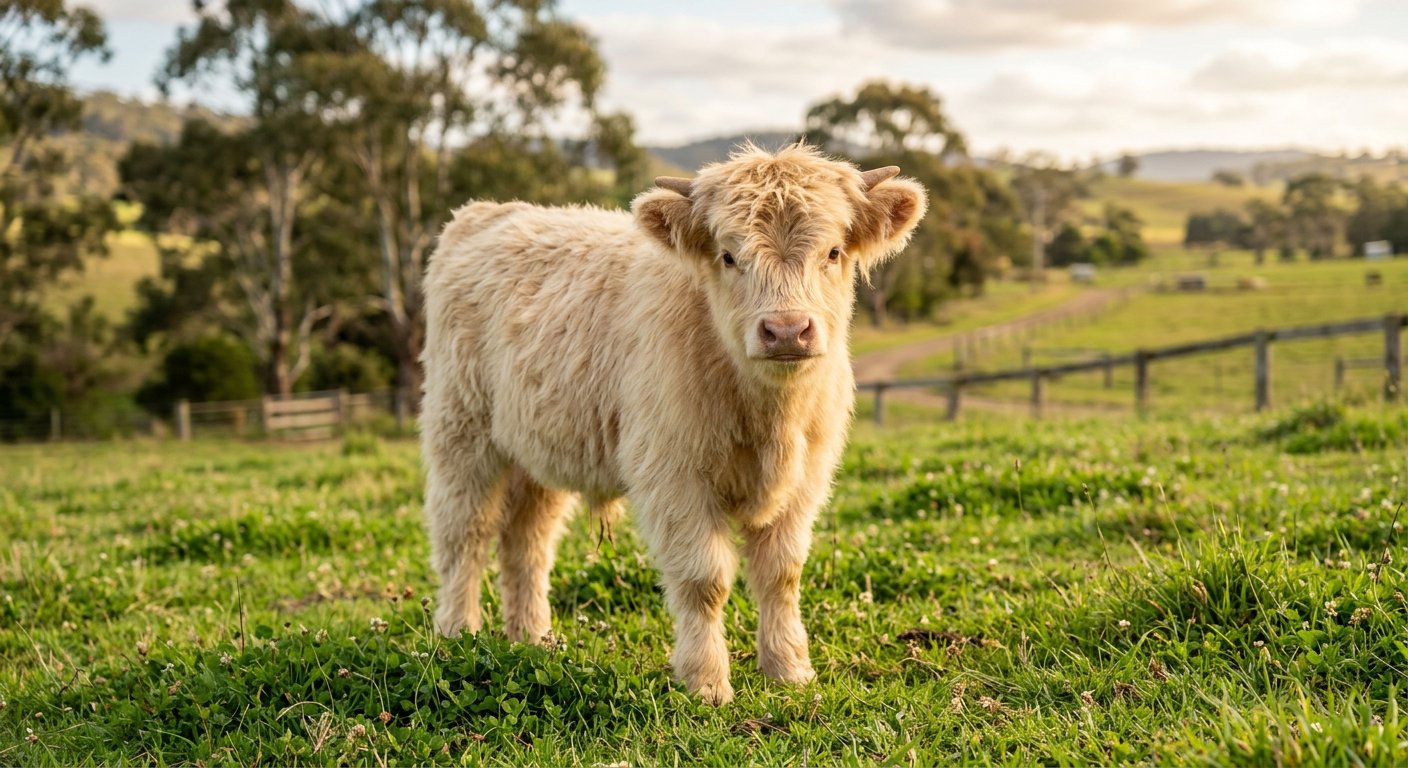
Miniature Highland cattle — Australia-wide enquiries welcome · See available calves

Blog

  • Transporting Calves Interstate in Australia: The Complete Guide

    Transporting Calves Interstate in Australia: The Complete Guide

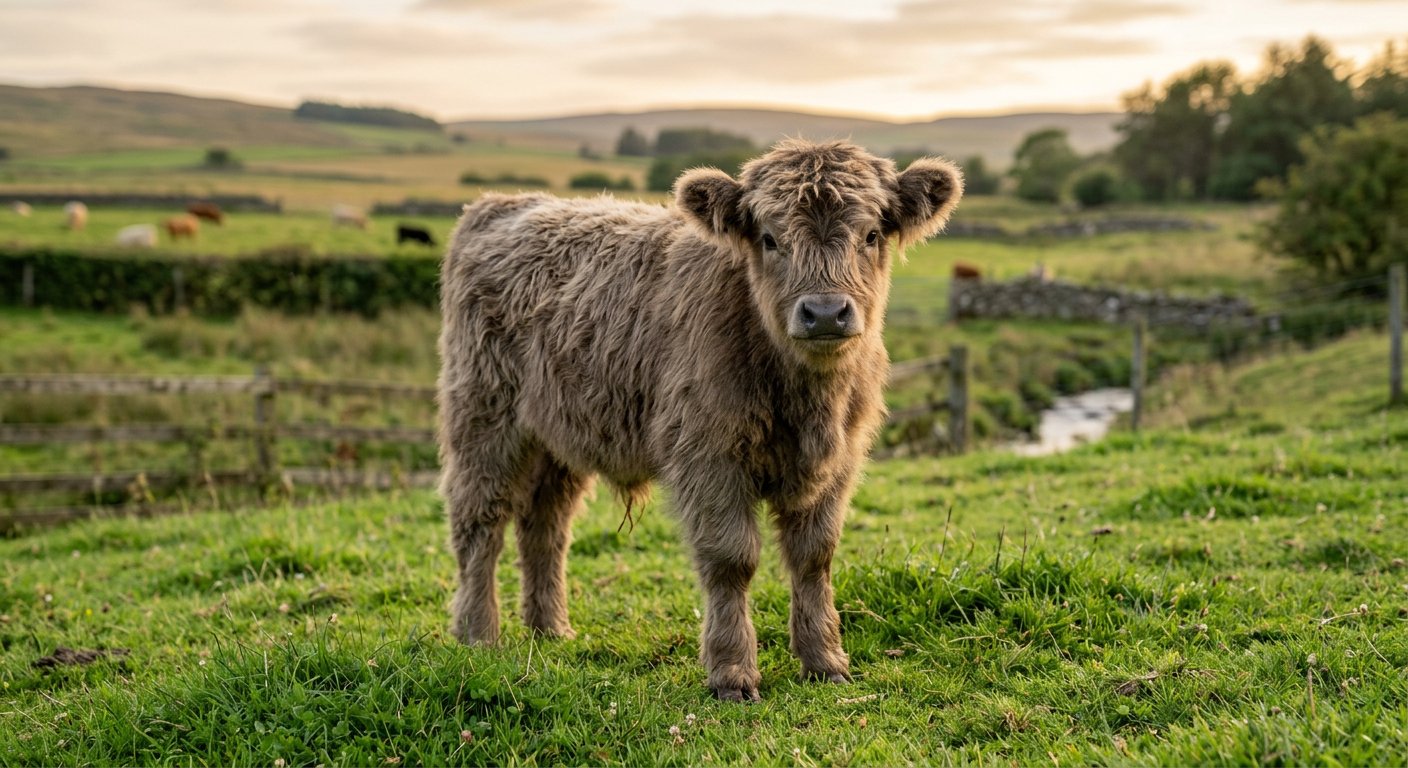
    transporting calves interstate australia — miniature Highland calf at Mossvale Highland Ranch Australia (illustrative photo)
    Exploring transporting calves interstate australia starts with a face like this. (Illustrative photo)

    Buying across a border? Transporting calves interstate in Australia is a professional routine when it’s planned like one. This guide covers choosing carriers, preparing calves, paperwork, and the arrival routine that settles travellers fast.

    This guide is part of the Mossvale library for Australian families researching transporting calves interstate australia. It is written by cattle people, kept honest, and linked throughout to our care guide, buying guide and calf showcase — settle in, because the fluffy rabbit hole is also an educational one.

    Professional carriers earn their fee — Transporting Calves Interstate Australia

    Transporting calves interstate in Australia is a craft: livestock trucks, experienced drivers, planned rest and watering. Get quotes early, book around heat, and let professionals design the journey around the animals’ needs rather than a calendar’s convenience.

    It’s also worth remembering that the buying decision sets the ceiling for everything after it. The right calf from the right people makes every subsequent season easier, cheaper and calmer — which is why experienced owners spend more time choosing breeders than comparing individual calf photos.

    Preparing the calf

    Calves travel best weaned, handled, eating confidently and in good condition. Your breeder prepares the animal; you prepare the destination: yard or small paddock for arrival, familiar-style feed, water waiting, and a companion if possible.

    Documentation is part of that decision. Written details, identification, agreed inclusions and transport plans are the boring paperwork underneath every joyful arrival day photo. Insist on them kindly and completely.

    Highland calf in an Australian paddock illustrating transporting calves interstate australia (illustrative photo)
    Good decisions start with seeing real cattle in real paddocks. (Illustrative photo)

    The paperwork suite — Transporting Calves Interstate Australia

    NLIS identification, movement documentation, your PIC, and any state-specific requirements travel with the calf. Everything is routine when prepared in advance and chaotic when assembled at the truck — preparation is the entire difference.

    Timing deserves the same realism. Seasonal calving means the market breathes in and out across the year; buyers who can accept a season’s wait almost always end with the calf they actually wanted, rather than the calf that happened to be available in a hurry.

    Arrival: calm is a protocol

    Unload into a secure small area, offer water then feed, and let travellers rest before introductions. Keep handling minimal for the first days. Most calves eat, drink, investigate the fence-line cattle gossip and settle astonishingly fast.

    It’s also worth remembering that the buying decision sets the ceiling for everything after it. The right calf from the right people makes every subsequent season easier, cheaper and calmer — which is why experienced owners spend more time choosing breeders than comparing individual calf photos.
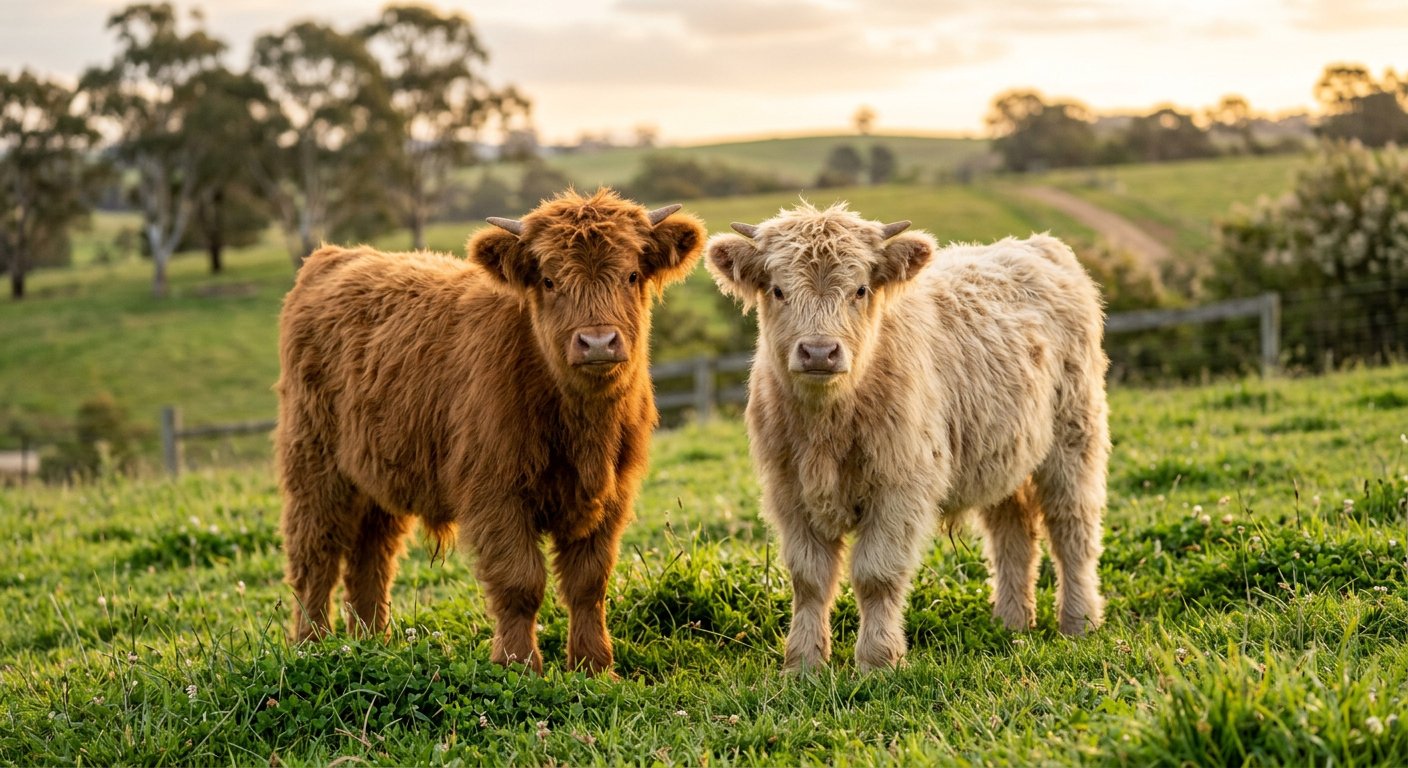
    Transporting Calves Interstate Australia in practice at Mossvale Highland Ranch Australia (illustrative photo)
    Every guide ends the same way: at the gate, watching cattle. (Illustrative photo)

    How Mossvale can help

    Whether your interest in transporting calves interstate australia is curiosity or a credit-card-adjacent level of serious, our door is the enquiry form. Browse the Available Calves showcase to shortlist colours, read what families say about the experience, and when you’re ready, enquire with your questions and preferences.

    A note on how we sell at Mossvale: by enquiry and waitlist, never by cart. That might feel old-fashioned beside one-click everything, but cattle are not parcels. The conversation before a sale is where matching happens — property, herd, colour, timing — and it’s why our families rarely have ‘wrong calf’ stories to tell.

    Buyers sometimes apologise for asking too many questions. Please don’t. The enquiry stage is where good outcomes are built, and a breeder who treats your questions as a burden is showing you their after-sale service in advance. Ask the awkward ones early; the answers are cheaper now.

    Budget honestly for the whole picture: calf, fencing, water, hay reserves and a vet relationship. Owners who plan the system, not just the purchase, are the ones sending us photos of thriving cattle for years. If the numbers feel like a stretch today, a waitlist gives you time to make them comfortable.

    A good transporting calves interstate australia decision balances the head’s spreadsheet and the heart’s shortlist, in that order and then that order reversed. Families tell us the transporting calves interstate australia research phase became half the fun. Keep reading; the paddock is patient. If a transporting calves interstate australia is the search that brought you here, save this guide and compare it against every other tab you have open — the differences between sellers show up fast. Most people researching transporting calves interstate australia are closer to a decision than they admit, so write your questions down while they’re fresh.

    Behind every transporting calves interstate australia enquiry is a property, a family and a future paddock routine — the details you share shape the match you get. There’s no wrong question about transporting calves interstate australia; there’s only the expensive kind you didn’t ask. Take your time with transporting calves interstate australia research — cattle reward the patient at every single stage. A good transporting calves interstate australia decision balances the head’s spreadsheet and the heart’s shortlist, in that order and then that order reversed.

    Families tell us the transporting calves interstate australia research phase became half the fun. Keep reading; the paddock is patient. If a transporting calves interstate australia is the search that brought you here, save this guide and compare it against every other tab you have open — the differences between sellers show up fast. Most people researching transporting calves interstate australia are closer to a decision than they admit, so write your questions down while they’re fresh. Behind every transporting calves interstate australia enquiry is a property, a family and a future paddock routine — the details you share shape the match you get.

    There’s no wrong question about transporting calves interstate australia; there’s only the expensive kind you didn’t ask. Take your time with transporting calves interstate australia research — cattle reward the patient at every single stage. A good transporting calves interstate australia decision balances the head’s spreadsheet and the heart’s shortlist, in that order and then that order reversed. Families tell us the transporting calves interstate australia research phase became half the fun. Keep reading; the paddock is patient.

    If a transporting calves interstate australia is the search that brought you here, save this guide and compare it against every other tab you have open — the differences between sellers show up fast. Most people researching transporting calves interstate australia are closer to a decision than they admit, so write your questions down while they’re fresh.

    Let’s talk about what a sensible buying timeline actually looks like, because it rarely resembles the highlight reel. Month one is learning: reading guides like this, stalking showcase profiles, checking your fences with new eyes. Month two is conversations: enquiries sent, questions asked, waitlists joined. Somewhere in there, a breeder says the sentence every buyer remembers — ‘we may have something for you’ — and suddenly the hay shed needs finishing by a real date. This unhurried runway is not a flaw in the system. It is the system, and it produces the calm arrivals and twenty-year matches that rushed purchases so often don’t.

    There’s a financial rhythm worth planning, too. Beyond the calf itself, year one carries the one-off costs: fence repairs you postponed, a shelter you’ve been meaning to build, yards, troughs, perhaps a float’s worth of transport. Years after that settle into the honest pattern of feed, minerals, health and hay. Families who map year one separately from the steady state are never ambushed by either, and they enjoy the arrival instead of auditing it.

    Insurance and contingency thinking belong in the same conversation. Cattle are robust, but fences meet storms, calves meet fences, and vets meet everyone eventually. A modest contingency fund, a relationship with a cattle vet established before any emergency, and a neighbour who can water stock if you’re away — that’s the unglamorous trio underneath every relaxed cattle owner you admire.

    It’s equally worth deciding, before you fall for a face, what happens in your herd’s future. Are these pets for two decades, the foundation of a boutique breeding programme, or the start of a beef enterprise? The answer changes which calf is ‘right’ — sex, genetics, colour emphasis, even timing. Breeders ask about your destination not from nosiness but because matching a calf to a fifteen-year plan is literally the job.

    Property readiness has a hierarchy worth respecting. Fencing first — everything in this guide is decoration until fences are honest. Water second, because cattle forgive many things but not thirst. Shade and shelter third, yards and handling facilities fourth, and only then the delightful extras like brushes, halters in matching colours and a name shortlist tournament. Buyers who build in that order spend the least twice.

    One underrated skill in buying well is simply returning calls and answering questions promptly — your own included. Waitlists are human systems run by busy farmers. The family who replies, confirms preferences and keeps their details current is the family who gets the ‘we have a calf you should see’ call. Courtesy is, quietly, a competitive advantage in a small breeding community.

    And when the match is offered, expect a small ceremony of paperwork and planning rather than a checkout chime: identity confirmed, inclusions listed, transport designed, dates agreed. If that careful dullness disappoints you, miniature humans invented online shopping for a reason. Cattle done properly feel like this — measured, personal, and right.

    A quick checklist before you go

    • Fencing inspected, repaired and honest at calf height
    • Reliable clean water in every paddock, sized for summer
    • Shade and wind shelter positioned and sufficient
    • PIC registered and NLIS responsibilities understood
    • Hay and mineral supply planned for the first season
    • Vet relationship established before arrival day
    • Waitlist enquiry sent with colour, sex and timing preferences

    Transporting Calves Interstate Australia: common questions

    How much does interstate transport cost?

    Distance, route consolidation and season drive price. Quotes from livestock carriers beat guesses — request them early in your buying process.

    Can I transport a calf myself?

    Experienced stockpeople with suitable vehicles sometimes do. For most buyers and long distances, professional carriers are safer, insured and kinder to everyone’s nerves.

    How long should a calf rest after travel?

    A few quiet days of feed, water and observation before full herd introductions. Travelling is tiring; boring is medicinal.

    Still curious? The Mossvale FAQ page answers thirty more questions, and the blog library keeps growing. When a decision is forming, nothing beats a conversation — enquire early, even if your fences aren’t finished. Especially then.

    Ready to meet your future calf? Browse the showcase, shortlist your colours, and enquire with your questions — we’ll confirm real availability, pricing and waitlist details personally.


    Keep reading: NLIS & PIC Explained: The Paperwork of Buying Cattle in Australia · Miniature Highland Breeding Basics: For Future Fold Founders
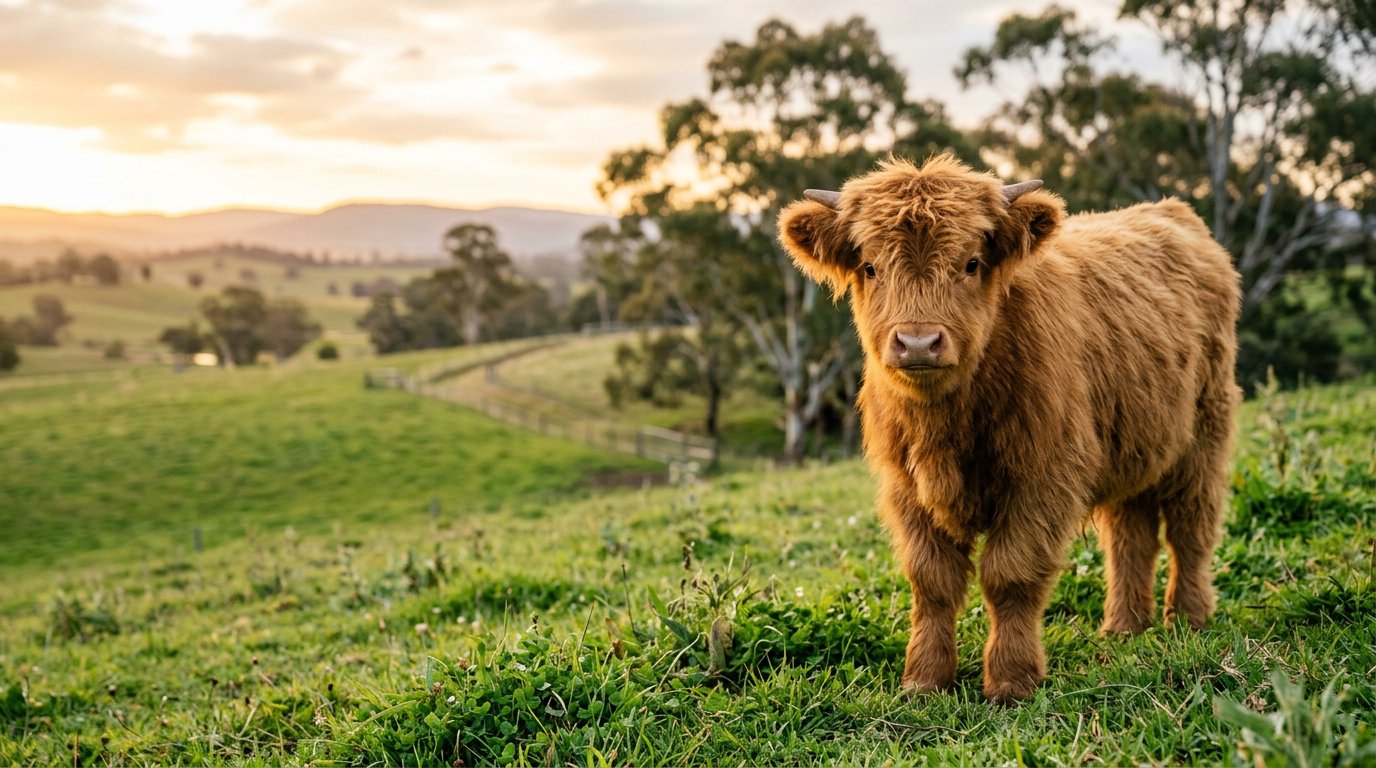
  • NLIS & PIC Explained: The Paperwork of Buying Cattle in Australia

    NLIS & PIC Explained: The Paperwork of Buying Cattle in Australia

    nlis pic buying cattle australia — miniature Highland calf at Mossvale Highland Ranch Australia (illustrative photo)
    Exploring nlis pic buying cattle australia starts with a face like this. (Illustrative photo)

    Two acronyms stand between every Australian cattle buyer and a smooth purchase. This NLIS and PIC buying cattle Australia guide explains what they are, why they exist, and how they make your calf’s journey home routine instead of stressful.

    This guide is part of the Mossvale library for Australian families researching nlis pic buying cattle australia. It is written by cattle people, kept honest, and linked throughout to our care guide, buying guide and calf showcase — settle in, because the fluffy rabbit hole is also an educational one.

    PIC: your property’s livestock identity — Nlis Pic Buying Cattle Australia

    A Property Identification Code registers where livestock live. NLIS and PIC buying cattle in Australia both begin here: apply through your state agriculture system before cattle arrive. It’s free or cheap, quick, and required — the admin equivalent of putting your name on the mailbox.

    It’s also worth remembering that the buying decision sets the ceiling for everything after it. The right calf from the right people makes every subsequent season easier, cheaper and calmer — which is why experienced owners spend more time choosing breeders than comparing individual calf photos.

    NLIS: every animal, every movement

    The National Livestock Identification System tracks cattle via electronic identification and a national database, protecting Australia’s food safety and export standing. Movements are documented with the animal’s device and the properties involved.

    Documentation is part of that decision. Written details, identification, agreed inclusions and transport plans are the boring paperwork underneath every joyful arrival day photo. Insist on them kindly and completely.

    Highland calf in an Australian paddock illustrating nlis pic buying cattle australia (illustrative photo)
    Good decisions start with seeing real cattle in real paddocks. (Illustrative photo)

    Your responsibilities as buyer — Nlis Pic Buying Cattle Australia

    Ensure your PIC is current, confirm movements are recorded within required timeframes (rules vary by state), and keep your own records. Reputable sellers guide every step — if yours treats paperwork as optional, upgrade your seller.

    Timing deserves the same realism. Seasonal calving means the market breathes in and out across the year; buyers who can accept a season’s wait almost always end with the calf they actually wanted, rather than the calf that happened to be available in a hurry.

    Why this system protects you

    Traceability is why Australian beef is trusted worldwide, and why disease responses can be surgical instead of sweeping. The five minutes of paperwork per movement is the cheapest insurance in agriculture.

    It’s also worth remembering that the buying decision sets the ceiling for everything after it. The right calf from the right people makes every subsequent season easier, cheaper and calmer — which is why experienced owners spend more time choosing breeders than comparing individual calf photos.

    Nlis Pic Buying Cattle Australia in practice at Mossvale Highland Ranch Australia (illustrative photo)
    Every guide ends the same way: at the gate, watching cattle. (Illustrative photo)

    How Mossvale can help

    Whether your interest in nlis pic buying cattle australia is curiosity or a credit-card-adjacent level of serious, our door is the enquiry form. Browse the Available Calves showcase to shortlist colours, read what families say about the experience, and when you’re ready, enquire with your questions and preferences.

    Colour and sex preferences are worth stating early — they cost nothing at enquiry and everything at the last minute. Waitlists turn preferences into matches. If your heart is split between two colours, say both; the calf that settles the argument usually introduces itself.

    A note on how we sell at Mossvale: by enquiry and waitlist, never by cart. That might feel old-fashioned beside one-click everything, but cattle are not parcels. The conversation before a sale is where matching happens — property, herd, colour, timing — and it’s why our families rarely have ‘wrong calf’ stories to tell.

    Buyers sometimes apologise for asking too many questions. Please don’t. The enquiry stage is where good outcomes are built, and a breeder who treats your questions as a burden is showing you their after-sale service in advance. Ask the awkward ones early; the answers are cheaper now.

    Budget honestly for the whole picture: calf, fencing, water, hay reserves and a vet relationship. Owners who plan the system, not just the purchase, are the ones sending us photos of thriving cattle for years. If the numbers feel like a stretch today, a waitlist gives you time to make them comfortable.

    Take your time with nlis pic buying cattle australia research — cattle reward the patient at every single stage. A good nlis pic buying cattle australia decision balances the head’s spreadsheet and the heart’s shortlist, in that order and then that order reversed. Families tell us the nlis pic buying cattle australia research phase became half the fun. Keep reading; the paddock is patient. If a nlis pic buying cattle australia is the search that brought you here, save this guide and compare it against every other tab you have open — the differences between sellers show up fast.

    Most people researching nlis pic buying cattle australia are closer to a decision than they admit, so write your questions down while they’re fresh. Behind every nlis pic buying cattle australia enquiry is a property, a family and a future paddock routine — the details you share shape the match you get. There’s no wrong question about nlis pic buying cattle australia; there’s only the expensive kind you didn’t ask. Take your time with nlis pic buying cattle australia research — cattle reward the patient at every single stage.

    A good nlis pic buying cattle australia decision balances the head’s spreadsheet and the heart’s shortlist, in that order and then that order reversed. Families tell us the nlis pic buying cattle australia research phase became half the fun. Keep reading; the paddock is patient. If a nlis pic buying cattle australia is the search that brought you here, save this guide and compare it against every other tab you have open — the differences between sellers show up fast. Most people researching nlis pic buying cattle australia are closer to a decision than they admit, so write your questions down while they’re fresh.

    Behind every nlis pic buying cattle australia enquiry is a property, a family and a future paddock routine — the details you share shape the match you get. There’s no wrong question about nlis pic buying cattle australia; there’s only the expensive kind you didn’t ask. Take your time with nlis pic buying cattle australia research — cattle reward the patient at every single stage. A good nlis pic buying cattle australia decision balances the head’s spreadsheet and the heart’s shortlist, in that order and then that order reversed.

    Families tell us the nlis pic buying cattle australia research phase became half the fun. Keep reading; the paddock is patient. If a nlis pic buying cattle australia is the search that brought you here, save this guide and compare it against every other tab you have open — the differences between sellers show up fast. Most people researching nlis pic buying cattle australia are closer to a decision than they admit, so write your questions down while they’re fresh. Behind every nlis pic buying cattle australia enquiry is a property, a family and a future paddock routine — the details you share shape the match you get.

    There’s no wrong question about nlis pic buying cattle australia; there’s only the expensive kind you didn’t ask. Take your time with nlis pic buying cattle australia research — cattle reward the patient at every single stage. A good nlis pic buying cattle australia decision balances the head’s spreadsheet and the heart’s shortlist, in that order and then that order reversed. Families tell us the nlis pic buying cattle australia research phase became half the fun. Keep reading; the paddock is patient.

    And when the match is offered, expect a small ceremony of paperwork and planning rather than a checkout chime: identity confirmed, inclusions listed, transport designed, dates agreed. If that careful dullness disappoints you, miniature humans invented online shopping for a reason. Cattle done properly feel like this — measured, personal, and right.

    Finally, hold your nerve about other people’s purchases. Someone will always announce a cheaper calf, a faster delivery, a rarer colour secured in a weekend. Some of those stories are true; many quietly omit the vet bills, the temperament saga and the fence rebuild. The buyers still smiling in year five are rarely the ones who ‘won’ the purchase. They’re the ones who bought well.

    Let’s talk about what a sensible buying timeline actually looks like, because it rarely resembles the highlight reel. Month one is learning: reading guides like this, stalking showcase profiles, checking your fences with new eyes. Month two is conversations: enquiries sent, questions asked, waitlists joined. Somewhere in there, a breeder says the sentence every buyer remembers — ‘we may have something for you’ — and suddenly the hay shed needs finishing by a real date. This unhurried runway is not a flaw in the system. It is the system, and it produces the calm arrivals and twenty-year matches that rushed purchases so often don’t.

    There’s a financial rhythm worth planning, too. Beyond the calf itself, year one carries the one-off costs: fence repairs you postponed, a shelter you’ve been meaning to build, yards, troughs, perhaps a float’s worth of transport. Years after that settle into the honest pattern of feed, minerals, health and hay. Families who map year one separately from the steady state are never ambushed by either, and they enjoy the arrival instead of auditing it.

    Insurance and contingency thinking belong in the same conversation. Cattle are robust, but fences meet storms, calves meet fences, and vets meet everyone eventually. A modest contingency fund, a relationship with a cattle vet established before any emergency, and a neighbour who can water stock if you’re away — that’s the unglamorous trio underneath every relaxed cattle owner you admire.

    It’s equally worth deciding, before you fall for a face, what happens in your herd’s future. Are these pets for two decades, the foundation of a boutique breeding programme, or the start of a beef enterprise? The answer changes which calf is ‘right’ — sex, genetics, colour emphasis, even timing. Breeders ask about your destination not from nosiness but because matching a calf to a fifteen-year plan is literally the job.

    Property readiness has a hierarchy worth respecting. Fencing first — everything in this guide is decoration until fences are honest. Water second, because cattle forgive many things but not thirst. Shade and shelter third, yards and handling facilities fourth, and only then the delightful extras like brushes, halters in matching colours and a name shortlist tournament. Buyers who build in that order spend the least twice.

    A quick checklist before you go

    • Fencing inspected, repaired and honest at calf height
    • Reliable clean water in every paddock, sized for summer
    • Shade and wind shelter positioned and sufficient
    • PIC registered and NLIS responsibilities understood
    • Hay and mineral supply planned for the first season
    • Vet relationship established before arrival day
    • Waitlist enquiry sent with colour, sex and timing preferences

    Nlis Pic Buying Cattle Australia: common questions

    How do I get a PIC?

    Through your state or territory agriculture department or Local Land Services, usually online. Do it before your calf’s travel date.

    Who records the NLIS transfer?

    Responsibilities are defined by state rules and usually shared between seller, agent/transporter and buyer. Your breeder will outline exactly who does what for your purchase.

    Does a pet calf really need NLIS identification?

    Yes — the system covers cattle regardless of how beloved they are. The fringe doesn’t exempt anyone.

    Still curious? The Mossvale FAQ page answers thirty more questions, and the blog library keeps growing. When a decision is forming, nothing beats a conversation — enquire early, even if your fences aren’t finished. Especially then.

    Ready to meet your future calf? Browse the showcase, shortlist your colours, and enquire with your questions — we’ll confirm real availability, pricing and waitlist details personally.


    Keep reading: Miniature Highland Calf Health Checklist: What Good Looks Like · Transporting Calves Interstate in Australia: The Complete Guide

  • Miniature Highland Calf Health Checklist: What Good Looks Like

    Miniature Highland Calf Health Checklist: What Good Looks Like

    miniature highland calf health checklist — miniature Highland calf at Mossvale Highland Ranch Australia (illustrative photo)
    Exploring miniature highland calf health checklist starts with a face like this. (Illustrative photo)

    You don’t need a veterinary degree to spot a thriving calf — you need a checklist and ten observant minutes. This miniature highland calf health checklist covers what to view, what to ask, and which questions belong to your vet.

    This guide is part of the Mossvale library for Australian families researching miniature highland calf health checklist. It is written by cattle people, kept honest, and linked throughout to our care guide, buying guide and calf showcase — settle in, because the fluffy rabbit hole is also an educational one.

    The viewing checklist — Miniature Highland Calf Health Checklist

    Bright eyes, clean nose, steady breathing, sound movement, good body condition under the coat, healthy manure, and interest in surroundings. A miniature highland calf health checklist begins with the animal in front of you behaving like a calf should.

    Consistency compounds. Cattle read routines like weather forecasts — feeding times, handling patterns, the sound of your gate. The more predictable your rhythm, the calmer the herd and the clearer any deviation becomes when something genuinely needs attention.

    Questions with paperwork behind them

    Ask what health treatments the calf has had and when, its weaning and feeding status, and how the herd’s health is managed. Good breeders answer from records, and your own vet becomes the ongoing author of this list.

    Seasonal planning is the other half of that consistency. Hay bought before the shortage, shade finished before the heatwave, yards repaired before the weaning weekend — cattle keeping rewards those who run a month ahead of the calendar.

    Highland calf in an Australian paddock illustrating miniature highland calf health checklist (illustrative photo)
    Good decisions start with seeing real cattle in real paddocks. (Illustrative photo)

    Red flags at purchase time — Miniature Highland Calf Health Checklist

    Dullness, discharge, lameness, scouring, poor condition hidden by coat, or a seller who discourages questions. Any single sign deserves explanation; several together deserve a different calf.

    And keep learning locally. Join your breed society, buy your vet a coffee at the clinic desk, and swap notes with the cattle people at the produce store. Herds improve at the speed of their owners’ education.

    After the sale: your vet relationship

    Book a vet who knows cattle before you need one urgently. Preventive programmes are district-specific — parasites, vaccinations and minerals vary by region, which is exactly why internet recipes lose to local professionals every time.

    Consistency compounds. Cattle read routines like weather forecasts — feeding times, handling patterns, the sound of your gate. The more predictable your rhythm, the calmer the herd and the clearer any deviation becomes when something genuinely needs attention.

    Miniature Highland Calf Health Checklist in practice at Mossvale Highland Ranch Australia (illustrative photo)
    Every guide ends the same way: at the gate, watching cattle. (Illustrative photo)

    How Mossvale can help

    Whether your interest in miniature highland calf health checklist is curiosity or a credit-card-adjacent level of serious, our door is the enquiry form. Browse the Available Calves showcase to shortlist colours, read what families say about the experience, and when you’re ready, enquire with your questions and preferences.

    Keep records like a professional, even with two cattle. Feed changes, treatments, weights, calving notes, that odd Tuesday a heifer seemed quiet — the notebook you keep this year becomes the expertise you lend a neighbour in five years’ time.

    Infrastructure ages; routines shouldn’t. Whatever your facilities look like this season, a calm daily rhythm of water, forage and eyes-on checking outperforms any single expensive purchase you could make for your herd.

    A word about advice: the best cattle care is local. Your vet, your district’s experienced owners and your own paddock notebook will out-advise any website — including this one. Use guides like ours to frame the questions, then let local knowledge sharpen the answers for your soil, your rainfall and your herd.

    There’s no wrong question about miniature highland calf health checklist; there’s only the expensive kind you didn’t ask. Take your time with miniature highland calf health checklist research — cattle reward the patient at every single stage. A good miniature highland calf health checklist decision balances the head’s spreadsheet and the heart’s shortlist, in that order and then that order reversed. Families tell us the miniature highland calf health checklist research phase became half the fun. Keep reading; the paddock is patient.

    If a miniature highland calf health checklist is the search that brought you here, save this guide and compare it against every other tab you have open — the differences between sellers show up fast. Most people researching miniature highland calf health checklist are closer to a decision than they admit, so write your questions down while they’re fresh. Behind every miniature highland calf health checklist enquiry is a property, a family and a future paddock routine — the details you share shape the match you get. There’s no wrong question about miniature highland calf health checklist; there’s only the expensive kind you didn’t ask.

    Take your time with miniature highland calf health checklist research — cattle reward the patient at every single stage. A good miniature highland calf health checklist decision balances the head’s spreadsheet and the heart’s shortlist, in that order and then that order reversed. Families tell us the miniature highland calf health checklist research phase became half the fun. Keep reading; the paddock is patient. If a miniature highland calf health checklist is the search that brought you here, save this guide and compare it against every other tab you have open — the differences between sellers show up fast.

    Most people researching miniature highland calf health checklist are closer to a decision than they admit, so write your questions down while they’re fresh. Behind every miniature highland calf health checklist enquiry is a property, a family and a future paddock routine — the details you share shape the match you get. There’s no wrong question about miniature highland calf health checklist; there’s only the expensive kind you didn’t ask. Take your time with miniature highland calf health checklist research — cattle reward the patient at every single stage.

    A good miniature highland calf health checklist decision balances the head’s spreadsheet and the heart’s shortlist, in that order and then that order reversed. Families tell us the miniature highland calf health checklist research phase became half the fun. Keep reading; the paddock is patient.

    Seasonal feed budgeting separates calm owners from desperate ones at exactly the same moment each year: the first cold snap or the first failed rain. Count your hay like money in the bank, because that is precisely what it is. Buying reserves when grass is green and prices are soft is the closest thing cattle keeping has to a guaranteed return on investment.

    Learn your land’s toxic plants and your district’s deficiency quirks before your herd teaches you either lesson. Local knowledge exists for every postcode in Australia — vets, agronomists, livestock officers and the family at the produce store who’ve run cattle there for forty years. Ask early, write it down, and walk new paddocks with those eyes before the herd does.

    Don’t underestimate the mental-health line item, either. Cattle keeping, done at the rhythm this guide describes, gives owners a daily appointment with unhurried animals in open air. Ask long-term owners why they persist through mud and hay prices and most will eventually describe the evening paddock round in terms suspiciously like therapy — cheaper, muddier, and with better listeners.

    And when something does go wrong — it will, in small ways, across twenty years — the system you’ve built absorbs it: the vet who knows your herd, the yards that work, the records that answer questions, the hay that was already stacked. Good care isn’t the absence of problems. It’s being boringly ready for them.

    The quiet secret of good cattle keeping is that almost everything is a feeding decision wearing a disguise. Condition, coat, fertility, temperament at the gate, even fence respect — all of it traces back to consistent, appropriate nutrition and the minerals and water that complete it. When something puzzles you about your herd, audit the feed and water before reaching for complicated theories. Nine times in ten, the answer is eating or drinking.

    Observation deserves its own paragraph because nobody believes its power until they’ve lived it. The owner who notices a heifer standing apart at breakfast has bought themselves a two-day head start on whatever is brewing. Build observation into immovable daily anchors — the morning coffee round, the evening gate check — and it survives busy weeks that would kill a ‘when I remember’ system.

    Handling facilities deserve earlier investment than most beginners plan. A small, safe yard where cattle can be caught calmly turns vet visits, treatments and loading from rodeo re-enactments into ten-minute non-events. You don’t need a showpiece setup; you need gates that swing, rails that hold and a design your cattle enter voluntarily at feed time all year round.

    A quick checklist before you go

    • Clean water checked daily, troughs scrubbed weekly
    • Pasture or hay available at all times, minerals free-choice
    • Daily observation: appetite, movement, manure, mood
    • Fences and gates walked on a weekly rhythm
    • Seasonal plans ready: shade for summer, hay for winter
    • Handling practised kindly while animals are young
    • Records kept: treatments, condition, feed changes, dates

    Miniature Highland Calf Health Checklist: common questions

    Should a vet inspect a calf before I buy?

    For significant purchases, a pre-purchase vet check is cheap peace of mind and good breeders welcome it.

    What vaccinations do calves need?

    Programmes depend on district risks and herd status. We deliberately don’t publish one-size schedules — your vet designs yours.

    How do I check condition under the coat?

    Hands on ribs, spine and hips, compared against condition-score guides. Your breeder and vet can teach the feel in five minutes.

    Still curious? The Mossvale FAQ page answers thirty more questions, and the blog library keeps growing. When a decision is forming, nothing beats a conversation — enquire early, even if your fences aren’t finished. Especially then.

    Ready to meet your future calf? Browse the showcase, shortlist your colours, and enquire with your questions — we’ll confirm real availability, pricing and waitlist details personally.


    Keep reading: Winter Care for Miniature Highland Cattle: Where the Breed Shines · NLIS & PIC Explained: The Paperwork of Buying Cattle in Australia

  • Winter Care for Miniature Highland Cattle: Where the Breed Shines

    Winter Care for Miniature Highland Cattle: Where the Breed Shines

    winter care miniature highland cattle — miniature Highland calf at Mossvale Highland Ranch Australia (illustrative photo)
    Exploring winter care miniature highland cattle starts with a face like this. (Illustrative photo)

    Winter is the Highland’s home turf — the season the double coat was invented for. Winter care for miniature Highland cattle in Australia is mostly about feed energy, dry ground and wind shelter. Here’s the short, satisfying brief.

    This guide is part of the Mossvale library for Australian families researching winter care miniature highland cattle. It is written by cattle people, kept honest, and linked throughout to our care guide, buying guide and calf showcase — settle in, because the fluffy rabbit hole is also an educational one.

    Feed is the heating system — Winter Care Miniature Highland Cattle

    Winter care for miniature highland cattle runs on forage. Cold, wet and wind increase energy needs; quality hay available generously keeps condition and coats in their glory. Watch condition scores under all that hair — hands tell truths eyes can’t.

    Consistency compounds. Cattle read routines like weather forecasts — feeding times, handling patterns, the sound of your gate. The more predictable your rhythm, the calmer the herd and the clearer any deviation becomes when something genuinely needs attention.

    Dry lying beats fancy roofing

    Cattle cope with serious cold when they can lie dry and out of wind. Drainage, a sacrifice area for the wettest weeks, and windbreaks positioned for your winter weather are the infrastructure that matters.

    Seasonal planning is the other half of that consistency. Hay bought before the shortage, shade finished before the heatwave, yards repaired before the weaning weekend — cattle keeping rewards those who run a month ahead of the calendar.

    Highland calf in an Australian paddock illustrating winter care miniature highland cattle (illustrative photo)
    Good decisions start with seeing real cattle in real paddocks. (Illustrative photo)

    Mud: the real winter enemy — Winter Care Miniature Highland Cattle

    Mud steals condition, challenges feet and fouls coats. Gravel at gates and troughs, rotated rest areas and feeding points that move are unglamorous, decisive winter tools.

    And keep learning locally. Join your breed society, buy your vet a coffee at the clinic desk, and swap notes with the cattle people at the produce store. Herds improve at the speed of their owners’ education.

    Enjoy the theatre

    A Highland in full winter coat in morning frost is the breed’s poster moment. Winter checks with a hot coffee, cattle steaming gently in first light — this is the season owners secretly love most.

    Consistency compounds. Cattle read routines like weather forecasts — feeding times, handling patterns, the sound of your gate. The more predictable your rhythm, the calmer the herd and the clearer any deviation becomes when something genuinely needs attention.

    Winter Care Miniature Highland Cattle in practice at Mossvale Highland Ranch Australia (illustrative photo)
    Every guide ends the same way: at the gate, watching cattle. (Illustrative photo)

    How Mossvale can help

    Whether your interest in winter care miniature highland cattle is curiosity or a credit-card-adjacent level of serious, our door is the enquiry form. Browse the Available Calves showcase to shortlist colours, read what families say about the experience, and when you’re ready, enquire with your questions and preferences.

    Observation is the cheapest health technology ever invented. Ten honest minutes a day — appetites, manure, movement, mood — catches most problems while they’re still small and inexpensive. Highlands reward watchers; they have been advertising their wellbeing in body language for centuries.

    Keep records like a professional, even with two cattle. Feed changes, treatments, weights, calving notes, that odd Tuesday a heifer seemed quiet — the notebook you keep this year becomes the expertise you lend a neighbour in five years’ time.

    Infrastructure ages; routines shouldn’t. Whatever your facilities look like this season, a calm daily rhythm of water, forage and eyes-on checking outperforms any single expensive purchase you could make for your herd.

    Behind every winter care miniature highland cattle enquiry is a property, a family and a future paddock routine — the details you share shape the match you get. There’s no wrong question about winter care miniature highland cattle; there’s only the expensive kind you didn’t ask. Take your time with winter care miniature highland cattle research — cattle reward the patient at every single stage. A good winter care miniature highland cattle decision balances the head’s spreadsheet and the heart’s shortlist, in that order and then that order reversed.

    Families tell us the winter care miniature highland cattle research phase became half the fun. Keep reading; the paddock is patient. If a winter care miniature highland cattle is the search that brought you here, save this guide and compare it against every other tab you have open — the differences between sellers show up fast. Most people researching winter care miniature highland cattle are closer to a decision than they admit, so write your questions down while they’re fresh. Behind every winter care miniature highland cattle enquiry is a property, a family and a future paddock routine — the details you share shape the match you get.

    There’s no wrong question about winter care miniature highland cattle; there’s only the expensive kind you didn’t ask. Take your time with winter care miniature highland cattle research — cattle reward the patient at every single stage. A good winter care miniature highland cattle decision balances the head’s spreadsheet and the heart’s shortlist, in that order and then that order reversed. Families tell us the winter care miniature highland cattle research phase became half the fun. Keep reading; the paddock is patient.

    If a winter care miniature highland cattle is the search that brought you here, save this guide and compare it against every other tab you have open — the differences between sellers show up fast. Most people researching winter care miniature highland cattle are closer to a decision than they admit, so write your questions down while they’re fresh. Behind every winter care miniature highland cattle enquiry is a property, a family and a future paddock routine — the details you share shape the match you get. There’s no wrong question about winter care miniature highland cattle; there’s only the expensive kind you didn’t ask.

    Take your time with winter care miniature highland cattle research — cattle reward the patient at every single stage. A good winter care miniature highland cattle decision balances the head’s spreadsheet and the heart’s shortlist, in that order and then that order reversed.

    Handling facilities deserve earlier investment than most beginners plan. A small, safe yard where cattle can be caught calmly turns vet visits, treatments and loading from rodeo re-enactments into ten-minute non-events. You don’t need a showpiece setup; you need gates that swing, rails that hold and a design your cattle enter voluntarily at feed time all year round.

    Record-keeping is the other unglamorous superpower. A dated notebook or phone note — treatments, feed changes, condition scores, behaviours, calving dates — converts your herd’s history into decisions. When the vet asks ‘when did this start?’, you’ll be the client who can actually answer, and your cattle will be healthier for it.

    Seasonal feed budgeting separates calm owners from desperate ones at exactly the same moment each year: the first cold snap or the first failed rain. Count your hay like money in the bank, because that is precisely what it is. Buying reserves when grass is green and prices are soft is the closest thing cattle keeping has to a guaranteed return on investment.

    Learn your land’s toxic plants and your district’s deficiency quirks before your herd teaches you either lesson. Local knowledge exists for every postcode in Australia — vets, agronomists, livestock officers and the family at the produce store who’ve run cattle there for forty years. Ask early, write it down, and walk new paddocks with those eyes before the herd does.

    Don’t underestimate the mental-health line item, either. Cattle keeping, done at the rhythm this guide describes, gives owners a daily appointment with unhurried animals in open air. Ask long-term owners why they persist through mud and hay prices and most will eventually describe the evening paddock round in terms suspiciously like therapy — cheaper, muddier, and with better listeners.

    And when something does go wrong — it will, in small ways, across twenty years — the system you’ve built absorbs it: the vet who knows your herd, the yards that work, the records that answer questions, the hay that was already stacked. Good care isn’t the absence of problems. It’s being boringly ready for them.

    The quiet secret of good cattle keeping is that almost everything is a feeding decision wearing a disguise. Condition, coat, fertility, temperament at the gate, even fence respect — all of it traces back to consistent, appropriate nutrition and the minerals and water that complete it. When something puzzles you about your herd, audit the feed and water before reaching for complicated theories. Nine times in ten, the answer is eating or drinking.

    A quick checklist before you go

    • Clean water checked daily, troughs scrubbed weekly
    • Pasture or hay available at all times, minerals free-choice
    • Daily observation: appetite, movement, manure, mood
    • Fences and gates walked on a weekly rhythm
    • Seasonal plans ready: shade for summer, hay for winter
    • Handling practised kindly while animals are young
    • Records kept: treatments, condition, feed changes, dates

    Winter Care Miniature Highland Cattle: common questions

    Do they need rugs in southern winters?

    Healthy Highlands in condition don’t need rugs; their coat outperforms them. Shelter and feed are the correct investments.

    How much extra hay in winter?

    Enough that condition holds steady — appetite rises with cold and coat growth. Feed to condition, checked by hand, not by habit.

    Are calves born in winter okay?

    Highland calves are famously hardy. Sensible shelter, attentive mothers and a breeder’s eye handle what the calendar delivers.

    Still curious? The Mossvale FAQ page answers thirty more questions, and the blog library keeps growing. When a decision is forming, nothing beats a conversation — enquire early, even if your fences aren’t finished. Especially then.

    Ready to meet your future calf? Browse the showcase, shortlist your colours, and enquire with your questions — we’ll confirm real availability, pricing and waitlist details personally.


    Keep reading: Summer Care for Highland Cattle in Australia: Beating the Heat · Miniature Highland Calf Health Checklist: What Good Looks Like

  • Summer Care for Highland Cattle in Australia: Beating the Heat

    Summer Care for Highland Cattle in Australia: Beating the Heat

    summer care highland cattle australia — miniature Highland calf at Mossvale Highland Ranch Australia (illustrative photo)
    Exploring summer care highland cattle australia starts with a face like this. (Illustrative photo)

    A Scottish coat under an Australian sun demands a plan. Summer care for Highland cattle in Australia covers shade engineering, water maths, coat management and the heat-day routine that keeps shaggy cattle comfortable in January.

    This guide is part of the Mossvale library for Australian families researching summer care highland cattle australia. It is written by cattle people, kept honest, and linked throughout to our care guide, buying guide and calf showcase — settle in, because the fluffy rabbit hole is also an educational one.

    Shade: the whole herd, at noon — Summer Care Highland Cattle Australia

    Summer care for highland cattle in Australia starts with a tape measure: can every animal lie in shade simultaneously at midday? If low-ranking cattle are standing in sun while bosses sprawl, your shade quantity or layout needs work. Structures plus trees is the gold standard.

    Consistency compounds. Cattle read routines like weather forecasts — feeding times, handling patterns, the sound of your gate. The more predictable your rhythm, the calmer the herd and the clearer any deviation becomes when something genuinely needs attention.

    Water volume shocks new owners

    Cattle in heat drink enormously. Size troughs and supply for the hottest week, shade the water if you can, and check twice daily in heatwaves. More heat admissions trace to ordinary water failures than to any exotic cause.

    Seasonal planning is the other half of that consistency. Hay bought before the shortage, shade finished before the heatwave, yards repaired before the weaning weekend — cattle keeping rewards those who run a month ahead of the calendar.

    Highland calf in an Australian paddock illustrating summer care highland cattle australia (illustrative photo)
    Good decisions start with seeing real cattle in real paddocks. (Illustrative photo)

    Coats, shedding and helping out — Summer Care Highland Cattle Australia

    The double coat sheds down for summer; a spring brush-out assists. Don’t clip a Highland’s coat away on a theory — the coat insulates against heat as well as cold when it’s allowed to work. Fly and skin checks matter more in humid districts.

    And keep learning locally. Join your breed society, buy your vet a coffee at the clinic desk, and swap notes with the cattle people at the produce store. Herds improve at the speed of their owners’ education.

    Heatwave routines

    Minimal handling, no yard work in the heat of the day, maximum observation. Highlands are sensible heat managers when given shade, water and peace — your job is logistics, theirs is lying still looking ornamental.

    Consistency compounds. Cattle read routines like weather forecasts — feeding times, handling patterns, the sound of your gate. The more predictable your rhythm, the calmer the herd and the clearer any deviation becomes when something genuinely needs attention.

    Summer Care Highland Cattle Australia in practice at Mossvale Highland Ranch Australia (illustrative photo)
    Every guide ends the same way: at the gate, watching cattle. (Illustrative photo)

    How Mossvale can help

    Whether your interest in summer care highland cattle australia is curiosity or a credit-card-adjacent level of serious, our door is the enquiry form. Browse the Available Calves showcase to shortlist colours, read what families say about the experience, and when you’re ready, enquire with your questions and preferences.

    A word about advice: the best cattle care is local. Your vet, your district’s experienced owners and your own paddock notebook will out-advise any website — including this one. Use guides like ours to frame the questions, then let local knowledge sharpen the answers for your soil, your rainfall and your herd.

    Observation is the cheapest health technology ever invented. Ten honest minutes a day — appetites, manure, movement, mood — catches most problems while they’re still small and inexpensive. Highlands reward watchers; they have been advertising their wellbeing in body language for centuries.

    Keep records like a professional, even with two cattle. Feed changes, treatments, weights, calving notes, that odd Tuesday a heifer seemed quiet — the notebook you keep this year becomes the expertise you lend a neighbour in five years’ time.

    Most people researching summer care highland cattle australia are closer to a decision than they admit, so write your questions down while they’re fresh. Behind every summer care highland cattle australia enquiry is a property, a family and a future paddock routine — the details you share shape the match you get. There’s no wrong question about summer care highland cattle australia; there’s only the expensive kind you didn’t ask. Take your time with summer care highland cattle australia research — cattle reward the patient at every single stage.

    A good summer care highland cattle australia decision balances the head’s spreadsheet and the heart’s shortlist, in that order and then that order reversed. Families tell us the summer care highland cattle australia research phase became half the fun. Keep reading; the paddock is patient. If a summer care highland cattle australia is the search that brought you here, save this guide and compare it against every other tab you have open — the differences between sellers show up fast. Most people researching summer care highland cattle australia are closer to a decision than they admit, so write your questions down while they’re fresh.

    Behind every summer care highland cattle australia enquiry is a property, a family and a future paddock routine — the details you share shape the match you get. There’s no wrong question about summer care highland cattle australia; there’s only the expensive kind you didn’t ask. Take your time with summer care highland cattle australia research — cattle reward the patient at every single stage. A good summer care highland cattle australia decision balances the head’s spreadsheet and the heart’s shortlist, in that order and then that order reversed.

    Families tell us the summer care highland cattle australia research phase became half the fun. Keep reading; the paddock is patient. If a summer care highland cattle australia is the search that brought you here, save this guide and compare it against every other tab you have open — the differences between sellers show up fast. Most people researching summer care highland cattle australia are closer to a decision than they admit, so write your questions down while they’re fresh. Behind every summer care highland cattle australia enquiry is a property, a family and a future paddock routine — the details you share shape the match you get.

    There’s no wrong question about summer care highland cattle australia; there’s only the expensive kind you didn’t ask. Take your time with summer care highland cattle australia research — cattle reward the patient at every single stage.

    The quiet secret of good cattle keeping is that almost everything is a feeding decision wearing a disguise. Condition, coat, fertility, temperament at the gate, even fence respect — all of it traces back to consistent, appropriate nutrition and the minerals and water that complete it. When something puzzles you about your herd, audit the feed and water before reaching for complicated theories. Nine times in ten, the answer is eating or drinking.

    Observation deserves its own paragraph because nobody believes its power until they’ve lived it. The owner who notices a heifer standing apart at breakfast has bought themselves a two-day head start on whatever is brewing. Build observation into immovable daily anchors — the morning coffee round, the evening gate check — and it survives busy weeks that would kill a ‘when I remember’ system.

    Handling facilities deserve earlier investment than most beginners plan. A small, safe yard where cattle can be caught calmly turns vet visits, treatments and loading from rodeo re-enactments into ten-minute non-events. You don’t need a showpiece setup; you need gates that swing, rails that hold and a design your cattle enter voluntarily at feed time all year round.

    Record-keeping is the other unglamorous superpower. A dated notebook or phone note — treatments, feed changes, condition scores, behaviours, calving dates — converts your herd’s history into decisions. When the vet asks ‘when did this start?’, you’ll be the client who can actually answer, and your cattle will be healthier for it.

    Seasonal feed budgeting separates calm owners from desperate ones at exactly the same moment each year: the first cold snap or the first failed rain. Count your hay like money in the bank, because that is precisely what it is. Buying reserves when grass is green and prices are soft is the closest thing cattle keeping has to a guaranteed return on investment.

    Learn your land’s toxic plants and your district’s deficiency quirks before your herd teaches you either lesson. Local knowledge exists for every postcode in Australia — vets, agronomists, livestock officers and the family at the produce store who’ve run cattle there for forty years. Ask early, write it down, and walk new paddocks with those eyes before the herd does.

    Don’t underestimate the mental-health line item, either. Cattle keeping, done at the rhythm this guide describes, gives owners a daily appointment with unhurried animals in open air. Ask long-term owners why they persist through mud and hay prices and most will eventually describe the evening paddock round in terms suspiciously like therapy — cheaper, muddier, and with better listeners.

    A quick checklist before you go

    • Clean water checked daily, troughs scrubbed weekly
    • Pasture or hay available at all times, minerals free-choice
    • Daily observation: appetite, movement, manure, mood
    • Fences and gates walked on a weekly rhythm
    • Seasonal plans ready: shade for summer, hay for winter
    • Handling practised kindly while animals are young
    • Records kept: treatments, condition, feed changes, dates

    Summer Care Highland Cattle Australia: common questions

    What temperature is too hot?

    There’s no single number; humidity, wind and acclimatisation matter. Watch behaviour — cattle camped at water, panting or off feed need your attention and possibly your vet’s.

    Should I hose them down?

    Many enjoy sprinklers or a hose game; provide the option around trough areas without forcing it. Wetting the ground under shade also cools resting spots.

    Do they need electrolytes or special feed?

    Routine summers run on forage, minerals and water. Specific advice belongs to your vet who knows your herd and district.

    Still curious? The Mossvale FAQ page answers thirty more questions, and the blog library keeps growing. When a decision is forming, nothing beats a conversation — enquire early, even if your fences aren’t finished. Especially then.

    Ready to meet your future calf? Browse the showcase, shortlist your colours, and enquire with your questions — we’ll confirm real availability, pricing and waitlist details personally.


    Keep reading: Grooming & Coat Care: Keeping the Famous Highland Coat Magnificent · Winter Care for Miniature Highland Cattle: Where the Breed Shines

  • Grooming & Coat Care: Keeping the Famous Highland Coat Magnificent

    Grooming & Coat Care: Keeping the Famous Highland Coat Magnificent

    miniature highland grooming coat care — miniature Highland calf at Mossvale Highland Ranch Australia (illustrative photo)
    Exploring miniature highland grooming coat care starts with a face like this. (Illustrative photo)

    That fringe is not an accident. Miniature highland grooming and coat care is simpler than people fear and more enjoyable than they expect — here’s the brush-by-brush guide to keeping the world’s most famous cattle coat in show condition, paddock edition.

    This guide is part of the Mossvale library for Australian families researching miniature highland grooming coat care. It is written by cattle people, kept honest, and linked throughout to our care guide, buying guide and calf showcase — settle in, because the fluffy rabbit hole is also an educational one.

    The coat manages itself (mostly) — Miniature Highland Grooming Coat Care

    Miniature highland grooming coat care starts with respect for a system evolution perfected: a soft undercoat for insulation, long guard hairs to shed weather. Your job is seasonal support, not daily styling. Healthy skin, good feed and minerals grow the coat; you just direct traffic.

    Consistency compounds. Cattle read routines like weather forecasts — feeding times, handling patterns, the sound of your gate. The more predictable your rhythm, the calmer the herd and the clearer any deviation becomes when something genuinely needs attention.

    The spring brush-out

    As winter coat sheds, regular brushing removes loose hair, spreads oils and gives you hands-on health checks. Most Highlands lean into a good brush like it’s a spa appointment. Start with a curry-style brush and work to softer finishes.

    Seasonal planning is the other half of that consistency. Hay bought before the shortage, shade finished before the heatwave, yards repaired before the weaning weekend — cattle keeping rewards those who run a month ahead of the calendar.

    Highland calf in an Australian paddock illustrating miniature highland grooming coat care (illustrative photo)
    Good decisions start with seeing real cattle in real paddocks. (Illustrative photo)

    Feet, fringe and fly-time checks — Miniature Highland Grooming Coat Care

    Grooming sessions double as inspections: feet, eyes under the fringe, skin in humid weather, condition along the ribs. The fringe — the ‘dossan’ — can be trimmed if vision is genuinely impaired, but for most cattle it’s both sunshade and signature.

    And keep learning locally. Join your breed society, buy your vet a coffee at the clinic desk, and swap notes with the cattle people at the produce store. Herds improve at the speed of their owners’ education.

    Show-prep versus paddock-pretty

    Our standard is paddock-pretty: clean, conditioned, comfortable cattle. If showing tempts you later, the same foundations apply — condition and calm handling beat product every time.

    Consistency compounds. Cattle read routines like weather forecasts — feeding times, handling patterns, the sound of your gate. The more predictable your rhythm, the calmer the herd and the clearer any deviation becomes when something genuinely needs attention.

    Miniature Highland Grooming Coat Care in practice at Mossvale Highland Ranch Australia (illustrative photo)
    Every guide ends the same way: at the gate, watching cattle. (Illustrative photo)

    How Mossvale can help

    Whether your interest in miniature highland grooming coat care is curiosity or a credit-card-adjacent level of serious, our door is the enquiry form. Browse the Available Calves showcase to shortlist colours, read what families say about the experience, and when you’re ready, enquire with your questions and preferences.

    Infrastructure ages; routines shouldn’t. Whatever your facilities look like this season, a calm daily rhythm of water, forage and eyes-on checking outperforms any single expensive purchase you could make for your herd.

    A word about advice: the best cattle care is local. Your vet, your district’s experienced owners and your own paddock notebook will out-advise any website — including this one. Use guides like ours to frame the questions, then let local knowledge sharpen the answers for your soil, your rainfall and your herd.

    Observation is the cheapest health technology ever invented. Ten honest minutes a day — appetites, manure, movement, mood — catches most problems while they’re still small and inexpensive. Highlands reward watchers; they have been advertising their wellbeing in body language for centuries.

    If a miniature highland grooming coat care is the search that brought you here, save this guide and compare it against every other tab you have open — the differences between sellers show up fast. Most people researching miniature highland grooming coat care are closer to a decision than they admit, so write your questions down while they’re fresh. Behind every miniature highland grooming coat care enquiry is a property, a family and a future paddock routine — the details you share shape the match you get. There’s no wrong question about miniature highland grooming coat care; there’s only the expensive kind you didn’t ask.

    Take your time with miniature highland grooming coat care research — cattle reward the patient at every single stage. A good miniature highland grooming coat care decision balances the head’s spreadsheet and the heart’s shortlist, in that order and then that order reversed. Families tell us the miniature highland grooming coat care research phase became half the fun. Keep reading; the paddock is patient. If a miniature highland grooming coat care is the search that brought you here, save this guide and compare it against every other tab you have open — the differences between sellers show up fast.

    Most people researching miniature highland grooming coat care are closer to a decision than they admit, so write your questions down while they’re fresh. Behind every miniature highland grooming coat care enquiry is a property, a family and a future paddock routine — the details you share shape the match you get. There’s no wrong question about miniature highland grooming coat care; there’s only the expensive kind you didn’t ask. Take your time with miniature highland grooming coat care research — cattle reward the patient at every single stage.

    A good miniature highland grooming coat care decision balances the head’s spreadsheet and the heart’s shortlist, in that order and then that order reversed. Families tell us the miniature highland grooming coat care research phase became half the fun. Keep reading; the paddock is patient. If a miniature highland grooming coat care is the search that brought you here, save this guide and compare it against every other tab you have open — the differences between sellers show up fast. Most people researching miniature highland grooming coat care are closer to a decision than they admit, so write your questions down while they’re fresh.

    Behind every miniature highland grooming coat care enquiry is a property, a family and a future paddock routine — the details you share shape the match you get. There’s no wrong question about miniature highland grooming coat care; there’s only the expensive kind you didn’t ask.

    Don’t underestimate the mental-health line item, either. Cattle keeping, done at the rhythm this guide describes, gives owners a daily appointment with unhurried animals in open air. Ask long-term owners why they persist through mud and hay prices and most will eventually describe the evening paddock round in terms suspiciously like therapy — cheaper, muddier, and with better listeners.

    And when something does go wrong — it will, in small ways, across twenty years — the system you’ve built absorbs it: the vet who knows your herd, the yards that work, the records that answer questions, the hay that was already stacked. Good care isn’t the absence of problems. It’s being boringly ready for them.

    The quiet secret of good cattle keeping is that almost everything is a feeding decision wearing a disguise. Condition, coat, fertility, temperament at the gate, even fence respect — all of it traces back to consistent, appropriate nutrition and the minerals and water that complete it. When something puzzles you about your herd, audit the feed and water before reaching for complicated theories. Nine times in ten, the answer is eating or drinking.

    Observation deserves its own paragraph because nobody believes its power until they’ve lived it. The owner who notices a heifer standing apart at breakfast has bought themselves a two-day head start on whatever is brewing. Build observation into immovable daily anchors — the morning coffee round, the evening gate check — and it survives busy weeks that would kill a ‘when I remember’ system.

    Handling facilities deserve earlier investment than most beginners plan. A small, safe yard where cattle can be caught calmly turns vet visits, treatments and loading from rodeo re-enactments into ten-minute non-events. You don’t need a showpiece setup; you need gates that swing, rails that hold and a design your cattle enter voluntarily at feed time all year round.

    Record-keeping is the other unglamorous superpower. A dated notebook or phone note — treatments, feed changes, condition scores, behaviours, calving dates — converts your herd’s history into decisions. When the vet asks ‘when did this start?’, you’ll be the client who can actually answer, and your cattle will be healthier for it.

    Seasonal feed budgeting separates calm owners from desperate ones at exactly the same moment each year: the first cold snap or the first failed rain. Count your hay like money in the bank, because that is precisely what it is. Buying reserves when grass is green and prices are soft is the closest thing cattle keeping has to a guaranteed return on investment.

    A quick checklist before you go

    • Clean water checked daily, troughs scrubbed weekly
    • Pasture or hay available at all times, minerals free-choice
    • Daily observation: appetite, movement, manure, mood
    • Fences and gates walked on a weekly rhythm
    • Seasonal plans ready: shade for summer, hay for winter
    • Handling practised kindly while animals are young
    • Records kept: treatments, condition, feed changes, dates

    Miniature Highland Grooming Coat Care: common questions

    How often should I brush?

    Seasonally intensive in the spring shed, casually enjoyable the rest of the year. Let the coat and your calendar negotiate.

    Can I wash a Highland?

    You can, and many tolerate it well when introduced kindly. Most paddock cattle never require it — brushing achieves the practical goals.

    My calf hates brushing. Help?

    Shorten sessions, pair with bucket rewards, and stop before arguments. Calm repetition wins; wrestling creates memories you’ll both keep.

    Still curious? The Mossvale FAQ page answers thirty more questions, and the blog library keeps growing. When a decision is forming, nothing beats a conversation — enquire early, even if your fences aren’t finished. Especially then.

    Ready to meet your future calf? Browse the showcase, shortlist your colours, and enquire with your questions — we’ll confirm real availability, pricing and waitlist details personally.


    Keep reading: Highland Cattle Temperament Around Children: A Realistic Guide for Families · Summer Care for Highland Cattle in Australia: Beating the Heat

  • Highland Cattle Temperament Around Children: A Realistic Guide for Families

    Highland Cattle Temperament Around Children: A Realistic Guide for Families

    highland cattle temperament with children — miniature Highland calf at Mossvale Highland Ranch Australia (illustrative photo)
    Exploring highland cattle temperament with children starts with a face like this. (Illustrative photo)

    Gentle giants with horns: what’s the truth about highland cattle temperament with children? This realistic family guide covers temperament, supervision, and the habits that make farm kids and quiet cattle a classic combination.

    This guide is part of the Mossvale library for Australian families researching highland cattle temperament with children. It is written by cattle people, kept honest, and linked throughout to our care guide, buying guide and calf showcase — settle in, because the fluffy rabbit hole is also an educational one.

    The temperament Highlands are famous for — Highland Cattle Temperament With Children

    Highland cattle temperament with children starts with the breed’s generally calm, curious nature — but ‘generally’ is doing heavy lifting in that sentence. Individuals vary, hormones matter, and every animal is large. Temperament is a starting point, not a supervision substitute.

    The rhythm deepens with seasons: first winter coats, first calves for breeding herds, first names called across a frosty paddock by grandchildren. Ranch life with Highlands is measured in these returns, not in tasks completed.

    Breeding and handling write the temperament

    Calm parents, kind early handling and consistent routines produce the cattle families love. When you enquire, ask how calves are handled and how the herd behaves around people. Then watch how a breeder moves among their own cattle — you’ll learn in a minute what an hour of claims can’t teach.

    Start where you are. A fence repaired this weekend, a care guide read tonight, an enquiry sent without obligation — the distance between admiring these cattle and keeping them is shorter than it looks from the sofa.

    Highland calf in an Australian paddock illustrating highland cattle temperament with children (illustrative photo)
    Good decisions start with seeing real cattle in real paddocks. (Illustrative photo)

    Family rules that work — Highland Cattle Temperament With Children

    Children learn stock sense: approach calmly, never between a cow and her calf, no feeding fingers through fences unsupervised, and adults present around cattle — always. Farm kids raised on these rules become the most capable young stockpeople you’ll meet.

    The rhythm deepens with seasons: first winter coats, first calves for breeding herds, first names called across a frosty paddock by grandchildren. Ranch life with Highlands is measured in these returns, not in tasks completed.

    The magic is real, and so is the respect

    A halter-trained Highland accepting a brush from a careful child is childhood at its best. Build that picture on training, supervision and the right individual animals, and it’s a picture your family can live inside for years.

    Start where you are. A fence repaired this weekend, a care guide read tonight, an enquiry sent without obligation — the distance between admiring these cattle and keeping them is shorter than it looks from the sofa.

    Highland Cattle Temperament With Children in practice at Mossvale Highland Ranch Australia (illustrative photo)
    Every guide ends the same way: at the gate, watching cattle. (Illustrative photo)

    How Mossvale can help

    Whether your interest in highland cattle temperament with children is curiosity or a credit-card-adjacent level of serious, our door is the enquiry form. Browse the Available Calves showcase to shortlist colours, read what families say about the experience, and when you’re ready, enquire with your questions and preferences.

    These cattle also make neighbours into visitors and visitors into waitlist members. Something about a Highland at the fence resets a person’s sense of hurry. Plan for the social life, not just the stock work.

    However you arrive at Highland ownership — breeding ambitions, family dreams, a photo you couldn’t unsee — the destination is the same: quiet cattle, full hay sheds and a gate you look forward to opening. It starts with a single honest enquiry.

    Life with Highlands reorganises a household around paddock time — morning checks with the coffee, evening rounds in the last light. It’s the part new owners didn’t know they were buying, and the part they defend most fiercely within a year.

    Families tell us the highland cattle temperament with children research phase became half the fun. Keep reading; the paddock is patient. If a highland cattle temperament with children is the search that brought you here, save this guide and compare it against every other tab you have open — the differences between sellers show up fast. Most people researching highland cattle temperament with children are closer to a decision than they admit, so write your questions down while they’re fresh. Behind every highland cattle temperament with children enquiry is a property, a family and a future paddock routine — the details you share shape the match you get.

    There’s no wrong question about highland cattle temperament with children; there’s only the expensive kind you didn’t ask. Take your time with highland cattle temperament with children research — cattle reward the patient at every single stage. A good highland cattle temperament with children decision balances the head’s spreadsheet and the heart’s shortlist, in that order and then that order reversed. Families tell us the highland cattle temperament with children research phase became half the fun. Keep reading; the paddock is patient.

    If a highland cattle temperament with children is the search that brought you here, save this guide and compare it against every other tab you have open — the differences between sellers show up fast. Most people researching highland cattle temperament with children are closer to a decision than they admit, so write your questions down while they’re fresh. Behind every highland cattle temperament with children enquiry is a property, a family and a future paddock routine — the details you share shape the match you get. There’s no wrong question about highland cattle temperament with children; there’s only the expensive kind you didn’t ask.

    Take your time with highland cattle temperament with children research — cattle reward the patient at every single stage. A good highland cattle temperament with children decision balances the head’s spreadsheet and the heart’s shortlist, in that order and then that order reversed. Families tell us the highland cattle temperament with children research phase became half the fun. Keep reading; the paddock is patient. If a highland cattle temperament with children is the search that brought you here, save this guide and compare it against every other tab you have open — the differences between sellers show up fast.

    Most people researching highland cattle temperament with children are closer to a decision than they admit, so write your questions down while they’re fresh. Behind every highland cattle temperament with children enquiry is a property, a family and a future paddock routine — the details you share shape the match you get.

    Start small and document everything. The photo of the first calf beside the unfinished fence becomes family treasure precisely because nothing was perfect yet. Perfection, in ranching as in most honest trades, is just consistency photographed from a kind distance.

    Community is the other crop. Breed societies, field days, the neighbour who lends the crush, the breeder who answers your 9 p.m. text about a calf off her dinner — cattle people accumulate people. Whatever brings you to Highlands, expect to stay partly for the humans.

    And the seasons will teach you the rest. Every herd year adds a layer of knowing — this paddock’s recovery time, that cow’s calving tells, the exact week the winter coats ignite. It’s an education you can’t buy, only keep cattle long enough to receive.

    So take the small step in front of you. Read the next guide, walk your fences with new eyes, send the enquiry you’ve been drafting in your head for a month. Ranches, like herds, are built one unglamorous, well-chosen decision at a time.

    There’s a particular hour — late afternoon, chores done, kettle imminent — when cattle people understand their own life choices completely. The herd is settled, the light is doing its thing across the coats, and the day’s urgencies have shrunk to their proper size. If this guide and this ranch exist for a reason, it’s manufacturing more of that hour for more families.

    Ranch life with Highlands also rewires weekends productively. Fences get walked because the walk is the pleasure. Grandchildren learn where food and patience come from. The property stops being a backdrop and becomes a cast of characters, each with a name, a history and strong opinions about the bucket.

    A quick checklist before you go

    • Start with the property: fences, water, shade, company
    • Choose quiet individuals from quietly-run herds
    • Build the daily round: water, forage, eyes on cattle
    • Keep records and photographs from the very first week
    • Join the community: breed society, local cattle people
    • Plan in decades — these animals will share your story
    • Send the enquiry; every ranch began exactly that way

    Highland Cattle Temperament With Children: common questions

    Are Highlands the gentlest breed for families?

    They’re deservedly famous for calm temperaments, but individual selection and handling matter more than breed reputation. Choose quiet individuals from quiet herds.

    Can children feed them treats?

    With adult supervision and taught manners, bucket-fed treats are a lovely ritual. Fingers and fences need rules, not optimism.

    What age child can help with handling?

    Progressively, with supervision matched to the child and the animal. Feeding and brushing from outside the fence is a fine first apprenticeship.

    Still curious? The Mossvale FAQ page answers thirty more questions, and the blog library keeps growing. When a decision is forming, nothing beats a conversation — enquire early, even if your fences aren’t finished. Especially then.

    Ready to meet your future calf? Browse the showcase, shortlist your colours, and enquire with your questions — we’ll confirm real availability, pricing and waitlist details personally.


    Keep reading: Miniature Highland Calf Growth Stages: Birth to Two Years · Grooming & Coat Care: Keeping the Famous Highland Coat Magnificent

  • Miniature Highland Calf Growth Stages: Birth to Two Years

    Miniature Highland Calf Growth Stages: Birth to Two Years

    miniature highland calf growth stages — miniature Highland calf at Mossvale Highland Ranch Australia (illustrative photo)
    Exploring miniature highland calf growth stages starts with a face like this. (Illustrative photo)

    They arrive as impossibly small teddy bears and leave their second winter as young cattle with opinions. These miniature highland calf growth stages walk you through what changes — coat, horns, appetite, attitude — across the first two years.

    This guide is part of the Mossvale library for Australian families researching miniature highland calf growth stages. It is written by cattle people, kept honest, and linked throughout to our care guide, buying guide and calf showcase — settle in, because the fluffy rabbit hole is also an educational one.

    The newborn and milk months — Miniature Highland Calf Growth Stages

    Miniature highland calf growth stages begin with the wobbly, oversized-fringe phase: nursing, sleeping, and learning that legs coordinate. Early handling in this window pays compound interest for decades.

    Consistency compounds. Cattle read routines like weather forecasts — feeding times, handling patterns, the sound of your gate. The more predictable your rhythm, the calmer the herd and the clearer any deviation becomes when something genuinely needs attention.

    Weaning to twelve months

    Appetites and independence surge. Frames fill, baby fluff makes way for the structured double coat, and personalities announce themselves. This is prime time for halter work, leading practice and calm exposure to yards, floats and farriers’ tools.

    Seasonal planning is the other half of that consistency. Hay bought before the shortage, shade finished before the heatwave, yards repaired before the weaning weekend — cattle keeping rewards those who run a month ahead of the calendar.

    Highland calf in an Australian paddock illustrating miniature highland calf growth stages (illustrative photo)
    Good decisions start with seeing real cattle in real paddocks. (Illustrative photo)

    The yearling ‘teenage’ phase — Miniature Highland Calf Growth Stages

    Horns develop character, coats hit full theatre, and young cattle test routines. Consistent kindness and boundaries now become the adult temperament everyone admires at the fence later.

    And keep learning locally. Join your breed society, buy your vet a coffee at the clinic desk, and swap notes with the cattle people at the produce store. Herds improve at the speed of their owners’ education.

    Approaching maturity

    By two, the frame is largely written and the coat is magnificent. Condition management, herd integration and — for breeding animals — careful planning with veterinary input shape the next chapter.

    Consistency compounds. Cattle read routines like weather forecasts — feeding times, handling patterns, the sound of your gate. The more predictable your rhythm, the calmer the herd and the clearer any deviation becomes when something genuinely needs attention.

    Miniature Highland Calf Growth Stages in practice at Mossvale Highland Ranch Australia (illustrative photo)
    Every guide ends the same way: at the gate, watching cattle. (Illustrative photo)

    How Mossvale can help

    Whether your interest in miniature highland calf growth stages is curiosity or a credit-card-adjacent level of serious, our door is the enquiry form. Browse the Available Calves showcase to shortlist colours, read what families say about the experience, and when you’re ready, enquire with your questions and preferences.

    Observation is the cheapest health technology ever invented. Ten honest minutes a day — appetites, manure, movement, mood — catches most problems while they’re still small and inexpensive. Highlands reward watchers; they have been advertising their wellbeing in body language for centuries.

    Keep records like a professional, even with two cattle. Feed changes, treatments, weights, calving notes, that odd Tuesday a heifer seemed quiet — the notebook you keep this year becomes the expertise you lend a neighbour in five years’ time.

    Infrastructure ages; routines shouldn’t. Whatever your facilities look like this season, a calm daily rhythm of water, forage and eyes-on checking outperforms any single expensive purchase you could make for your herd.

    A good miniature highland calf growth stages decision balances the head’s spreadsheet and the heart’s shortlist, in that order and then that order reversed. Families tell us the miniature highland calf growth stages research phase became half the fun. Keep reading; the paddock is patient. If a miniature highland calf growth stages is the search that brought you here, save this guide and compare it against every other tab you have open — the differences between sellers show up fast. Most people researching miniature highland calf growth stages are closer to a decision than they admit, so write your questions down while they’re fresh.

    Behind every miniature highland calf growth stages enquiry is a property, a family and a future paddock routine — the details you share shape the match you get. There’s no wrong question about miniature highland calf growth stages; there’s only the expensive kind you didn’t ask. Take your time with miniature highland calf growth stages research — cattle reward the patient at every single stage. A good miniature highland calf growth stages decision balances the head’s spreadsheet and the heart’s shortlist, in that order and then that order reversed.

    Families tell us the miniature highland calf growth stages research phase became half the fun. Keep reading; the paddock is patient. If a miniature highland calf growth stages is the search that brought you here, save this guide and compare it against every other tab you have open — the differences between sellers show up fast. Most people researching miniature highland calf growth stages are closer to a decision than they admit, so write your questions down while they’re fresh. Behind every miniature highland calf growth stages enquiry is a property, a family and a future paddock routine — the details you share shape the match you get.

    There’s no wrong question about miniature highland calf growth stages; there’s only the expensive kind you didn’t ask. Take your time with miniature highland calf growth stages research — cattle reward the patient at every single stage. A good miniature highland calf growth stages decision balances the head’s spreadsheet and the heart’s shortlist, in that order and then that order reversed. Families tell us the miniature highland calf growth stages research phase became half the fun. Keep reading; the paddock is patient.

    If a miniature highland calf growth stages is the search that brought you here, save this guide and compare it against every other tab you have open — the differences between sellers show up fast. Most people researching miniature highland calf growth stages are closer to a decision than they admit, so write your questions down while they’re fresh.

    Handling facilities deserve earlier investment than most beginners plan. A small, safe yard where cattle can be caught calmly turns vet visits, treatments and loading from rodeo re-enactments into ten-minute non-events. You don’t need a showpiece setup; you need gates that swing, rails that hold and a design your cattle enter voluntarily at feed time all year round.

    Record-keeping is the other unglamorous superpower. A dated notebook or phone note — treatments, feed changes, condition scores, behaviours, calving dates — converts your herd’s history into decisions. When the vet asks ‘when did this start?’, you’ll be the client who can actually answer, and your cattle will be healthier for it.

    Seasonal feed budgeting separates calm owners from desperate ones at exactly the same moment each year: the first cold snap or the first failed rain. Count your hay like money in the bank, because that is precisely what it is. Buying reserves when grass is green and prices are soft is the closest thing cattle keeping has to a guaranteed return on investment.

    Learn your land’s toxic plants and your district’s deficiency quirks before your herd teaches you either lesson. Local knowledge exists for every postcode in Australia — vets, agronomists, livestock officers and the family at the produce store who’ve run cattle there for forty years. Ask early, write it down, and walk new paddocks with those eyes before the herd does.

    Don’t underestimate the mental-health line item, either. Cattle keeping, done at the rhythm this guide describes, gives owners a daily appointment with unhurried animals in open air. Ask long-term owners why they persist through mud and hay prices and most will eventually describe the evening paddock round in terms suspiciously like therapy — cheaper, muddier, and with better listeners.

    And when something does go wrong — it will, in small ways, across twenty years — the system you’ve built absorbs it: the vet who knows your herd, the yards that work, the records that answer questions, the hay that was already stacked. Good care isn’t the absence of problems. It’s being boringly ready for them.

    The quiet secret of good cattle keeping is that almost everything is a feeding decision wearing a disguise. Condition, coat, fertility, temperament at the gate, even fence respect — all of it traces back to consistent, appropriate nutrition and the minerals and water that complete it. When something puzzles you about your herd, audit the feed and water before reaching for complicated theories. Nine times in ten, the answer is eating or drinking.

    A quick checklist before you go

    • Clean water checked daily, troughs scrubbed weekly
    • Pasture or hay available at all times, minerals free-choice
    • Daily observation: appetite, movement, manure, mood
    • Fences and gates walked on a weekly rhythm
    • Seasonal plans ready: shade for summer, hay for winter
    • Handling practised kindly while animals are young
    • Records kept: treatments, condition, feed changes, dates

    Miniature Highland Calf Growth Stages: common questions

    When do horns start growing?

    Horn buds are present early; visible horn development progresses across the first years, varying by individual and sex.

    How fast do calves grow?

    Growth is steadiest on consistent forage and good minerals. Sudden diet changes help nobody; think seasons, not weeks.

    When is a Highland fully grown?

    Frame matures over several years, with most height achieved well before full body maturity. Your breeder can describe their lines’ patterns.

    Still curious? The Mossvale FAQ page answers thirty more questions, and the blog library keeps growing. When a decision is forming, nothing beats a conversation — enquire early, even if your fences aren’t finished. Especially then.

    Ready to meet your future calf? Browse the showcase, shortlist your colours, and enquire with your questions — we’ll confirm real availability, pricing and waitlist details personally.


    Keep reading: Do Miniature Highland Calves Stay Small? The Honest Size Guide · Highland Cattle Temperament Around Children: A Realistic Guide for Families

  • Do Miniature Highland Calves Stay Small? The Honest Size Guide

    Do Miniature Highland Calves Stay Small? The Honest Size Guide

    do miniature highland calves stay small — miniature Highland calf at Mossvale Highland Ranch Australia (illustrative photo)
    Exploring do miniature highland calves stay small starts with a face like this. (Illustrative photo)

    It’s the most marketed — and most misunderstood — question in the breed. Do miniature highland calves stay small? The honest answer involves genetics, nutrition, and why you should run from anyone who answers with a guarantee.

    This guide is part of the Mossvale library for Australian families researching do miniature highland calves stay small. It is written by cattle people, kept honest, and linked throughout to our care guide, buying guide and calf showcase — settle in, because the fluffy rabbit hole is also an educational one.

    What ‘miniature’ actually means — Do Miniature Highland Calves Stay Small

    Do miniature highland calves stay small is really two questions: small compared to what, and decided by whom? Miniature-framed Highlands are bred down from standard Highland size across generations. They remain unmistakably cattle — compact cattle, not novelty toys.

    Colour also interacts with your landscape in ways photos can’t show: blacks against pale summer grass, creams in green winter paddocks, reds at sunset. If you can visit a herd in person, do — the shade that owns you in real light is your answer.

    Why guarantees are a red flag

    Adult size reflects sire, dam, bloodlines, sex, nutrition and individual variation. Breed societies themselves warn that ‘micro miniature’ claims are unreliable and can mask serious genetic issues. A breeder promising exact adult heights is marketing, not stockmanship.

    It’s worth asking breeders to see sires and dams as well as calves. Adult colour, coat quality and temperament standing in the paddock in front of you are better data than any pedigree description.

    Highland calf in an Australian paddock illustrating do miniature highland calves stay small (illustrative photo)
    Good decisions start with seeing real cattle in real paddocks. (Illustrative photo)

    What to ask instead — Do Miniature Highland Calves Stay Small

    Ask for both parents’ heights and photos, the calf’s frame at its age, and the range seen in siblings. Honest breeders talk in ranges backed by their own herd records — that’s information you can fence for.

    Finally, don’t let a long colour wait sour the dream. Some of the happiest owners we know took a different shade than planned and now can’t imagine the paddock any other colour.

    Planning for the animal they’ll become

    Build and feed for a compact adult bovine, and any pleasant surprise in the final height is a bonus. Families who plan this way are never disappointed; families sold a fantasy often are.

    Colour also interacts with your landscape in ways photos can’t show: blacks against pale summer grass, creams in green winter paddocks, reds at sunset. If you can visit a herd in person, do — the shade that owns you in real light is your answer.

    Do Miniature Highland Calves Stay Small in practice at Mossvale Highland Ranch Australia (illustrative photo)
    Every guide ends the same way: at the gate, watching cattle. (Illustrative photo)

    How Mossvale can help

    Whether your interest in do miniature highland calves stay small is curiosity or a credit-card-adjacent level of serious, our door is the enquiry form. Browse the Available Calves showcase to shortlist colours, read what families say about the experience, and when you’re ready, enquire with your questions and preferences.

    Whichever colour wins your heart, the care contract is identical: company, grazing, shade, water, minerals and kindness. Colour is the wrapping on the same magnificent animal — choose it last, after temperament has given its approval.

    A gentle word about choosing by colour: every experienced breeder has watched a buyer arrive sworn to one shade and leave devoted to another standing in the flesh. Photos shortlist; presence decides. Use our showcase profiles to learn the palette, then keep a little flexibility for the animal that chooses you back.

    Coats are also seasonal storytellers. The shade you meet in a summer photo will wear more depth, more drama and considerably more fringe by July. Judge colour across the year and across the parents, and you’ll never be disappointed by a calendar.

    Take your time with do miniature highland calves stay small research — cattle reward the patient at every single stage. A good do miniature highland calves stay small decision balances the head’s spreadsheet and the heart’s shortlist, in that order and then that order reversed. Families tell us the do miniature highland calves stay small research phase became half the fun. Keep reading; the paddock is patient. If a do miniature highland calves stay small is the search that brought you here, save this guide and compare it against every other tab you have open — the differences between sellers show up fast.

    Most people researching do miniature highland calves stay small are closer to a decision than they admit, so write your questions down while they’re fresh. Behind every do miniature highland calves stay small enquiry is a property, a family and a future paddock routine — the details you share shape the match you get. There’s no wrong question about do miniature highland calves stay small; there’s only the expensive kind you didn’t ask. Take your time with do miniature highland calves stay small research — cattle reward the patient at every single stage.

    A good do miniature highland calves stay small decision balances the head’s spreadsheet and the heart’s shortlist, in that order and then that order reversed. Families tell us the do miniature highland calves stay small research phase became half the fun. Keep reading; the paddock is patient. If a do miniature highland calves stay small is the search that brought you here, save this guide and compare it against every other tab you have open — the differences between sellers show up fast. Most people researching do miniature highland calves stay small are closer to a decision than they admit, so write your questions down while they’re fresh.

    Behind every do miniature highland calves stay small enquiry is a property, a family and a future paddock routine — the details you share shape the match you get. There’s no wrong question about do miniature highland calves stay small; there’s only the expensive kind you didn’t ask. Take your time with do miniature highland calves stay small research — cattle reward the patient at every single stage. A good do miniature highland calves stay small decision balances the head’s spreadsheet and the heart’s shortlist, in that order and then that order reversed.

    Families tell us the do miniature highland calves stay small research phase became half the fun. Keep reading; the paddock is patient. If a do miniature highland calves stay small is the search that brought you here, save this guide and compare it against every other tab you have open — the differences between sellers show up fast.

    Remember, too, that herds evolve. The colour you start with needn’t be the colour you end with; many folds become rainbows one well-chosen calf at a time. The first decision only has to be a good animal from good people. The palette can compose itself across the years, which is frankly the most enjoyable way to collect anything.

    And if a particular shade is genuinely non-negotiable — the childhood dream, the promised paddock portrait — then own that completely and simply budget the wait. Breeders respect a clear, patient colour request far more than a frantic any-colour-this-weekend one. State it, settle in, and let seasons do what they do.

    If you’re deep in colour research, here’s the perspective that saves people: colour is the only trait you can fully enjoy from the fence without owning the animal, so the internet over-weights it. In daily life, owners fall for the individual — the calf who meets them at the gate, the heifer with the thoughtful fringe-tilt. Choose breeders and temperaments with your head so your heart is free to be gloriously irrational about shade.

    Breeding for colour is its own slow discipline. Combinations that can produce silvers or creams take seasons to arrange and offer no certainties per mating, which is why honest breeders quote likelihoods and timeframes rather than promises. When a breeder explains their colour pairings openly, you’re hearing someone who respects both genetics and you.

    Coat quality deserves as much attention as coat colour. The density, length and condition of that famous double coat reflect breeding, nutrition and health far more than pigment does. A magnificent red in poor condition loses to an ordinary dun glowing with health every day of the week — and great breeders select for the glow, trusting colour to follow.

    For families torn between two shades, a practical tiebreaker: picture your actual paddock. Pale creams vanish beautifully into frost and dry summer grass; blacks command green winter fields; reds and goldens perform at sunset like they were commissioned for it. Your landscape is the frame — choose the picture that suits the wall.

    A quick checklist before you go

    • Colour preferences ranked — first choice and acceptable surprises
    • Parents viewed (photos or in person) for adult shade guidance
    • Seasonal coat changes understood before judging colour
    • Temperament and fit ranked above shade, always
    • Waitlist enquiry sent early for scarce colours like silver
    • Paddock landscape pictured with each candidate colour
    • Breeder asked for likelihoods, never guarantees, on colour

    Do Miniature Highland Calves Stay Small: common questions

    How big will a miniature Highland get?

    Expect compact cattle rather than a number anyone honest will guarantee. Parents and bloodlines give the best guidance available.

    What is a ‘micro miniature’?

    A marketing term without reliable meaning, associated with exaggerated claims. The Australian breed community advises strong caution.

    Does desexing affect size?

    Nutrition and genetics dominate mature frame. Discuss individual expectations with your breeder rather than relying on rules of thumb.

    Still curious? The Mossvale FAQ page answers thirty more questions, and the blog library keeps growing. When a decision is forming, nothing beats a conversation — enquire early, even if your fences aren’t finished. Especially then.

    Ready to meet your future calf? Browse the showcase, shortlist your colours, and enquire with your questions — we’ll confirm real availability, pricing and waitlist details personally.


    Keep reading: Highland Coat Colours Explained: Red, Black, Dun, Silver, Cream & Golden · Miniature Highland Calf Growth Stages: Birth to Two Years