Miniature Highland cattle — Australia-wide enquiries welcome · See available calves

Blog

  • Miniature Highland Calves in Australia: The Complete 2026 Buyer’s Handbook

    Miniature Highland Calves in Australia: The Complete 2026 Buyer’s Handbook

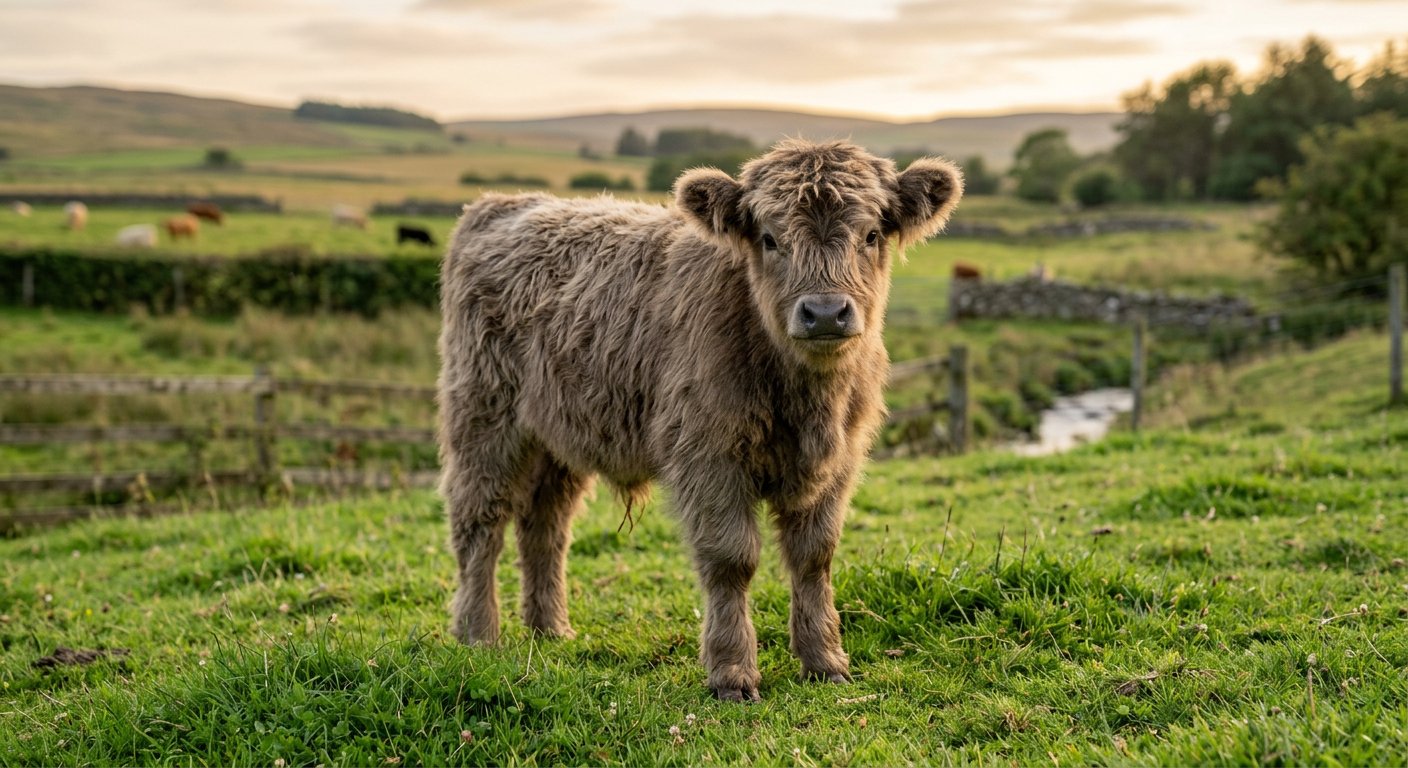
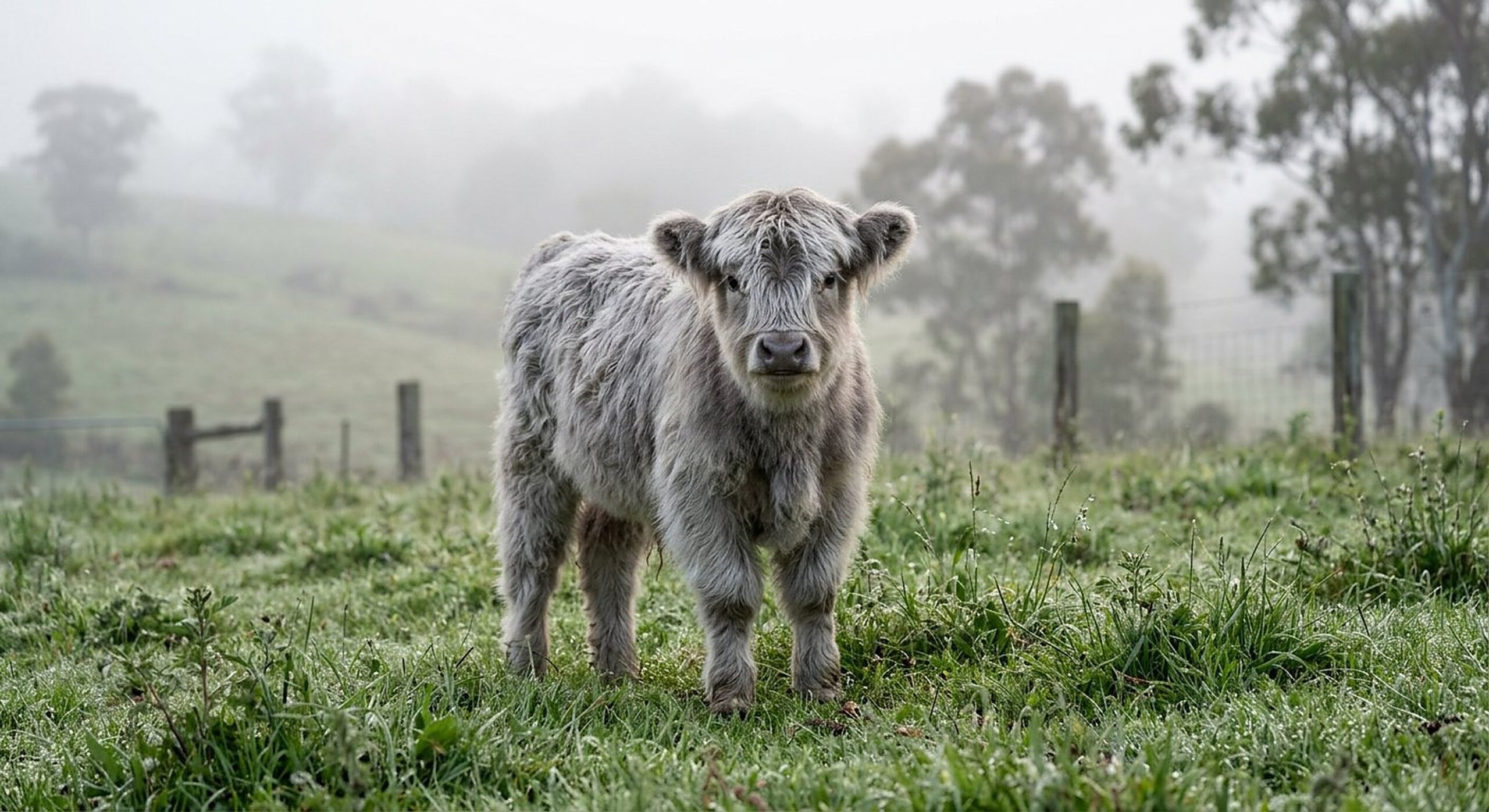
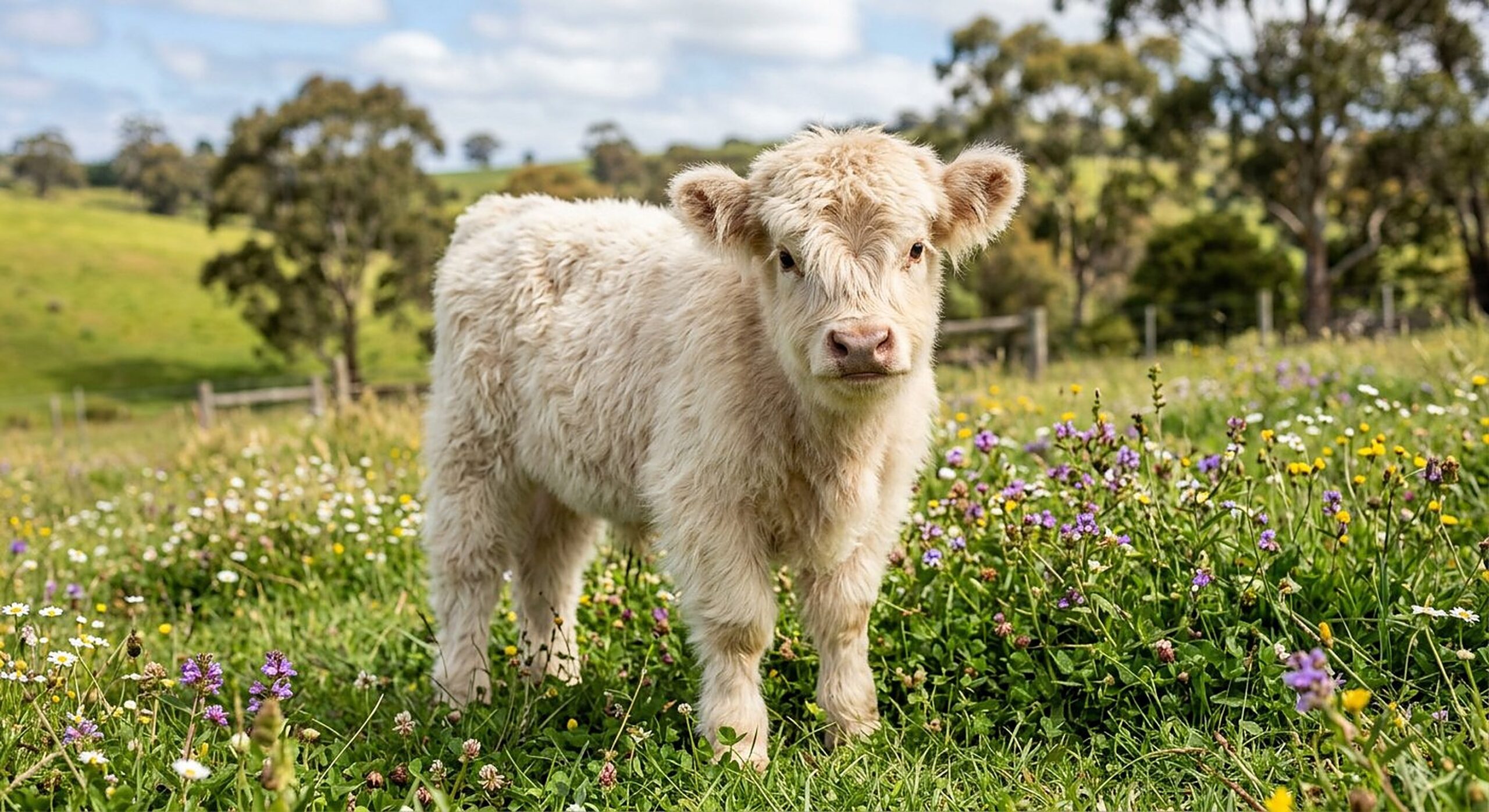
    miniature highland calves in australia — miniature Highland calf at Mossvale Highland Ranch Australia (illustrative photo)
    Exploring miniature highland calves in australia starts with a face like this. (Illustrative photo)

    Everything in one place: miniature Highland calves in Australia, from first dream to twentieth year. This handbook gathers choosing, buying, paperwork, transport, care and colours into the single guide we’d hand a family member starting the journey.

    This guide is part of the Mossvale library for Australian families researching miniature highland calves in australia. It is written by cattle people, kept honest, and linked throughout to our care guide, buying guide and calf showcase — settle in, because the fluffy rabbit hole is also an educational one.

    Deciding: is a miniature Highland right for you? — Miniature Highland Calves in Australia

    Miniature highland calves in Australia suit owners who want compact, characterful cattle and accept the full bovine brief: herd company, fencing, feed, decades. If that sentence excites rather than warns you, you’re our kind of buyer.

    It’s also worth remembering that the buying decision sets the ceiling for everything after it. The right calf from the right people makes every subsequent season easier, cheaper and calmer — which is why experienced owners spend more time choosing breeders than comparing individual calf photos.

    Buying: the safe sequence

    Prepare property, join waitlists, ask the twenty questions, confirm details in writing, plan transport and paperwork (PIC, NLIS), and let the match happen at cattle speed. Our buying guide and scam-awareness guide are your companions at this stage.

    Documentation is part of that decision. Written details, identification, agreed inclusions and transport plans are the boring paperwork underneath every joyful arrival day photo. Insist on them kindly and completely.

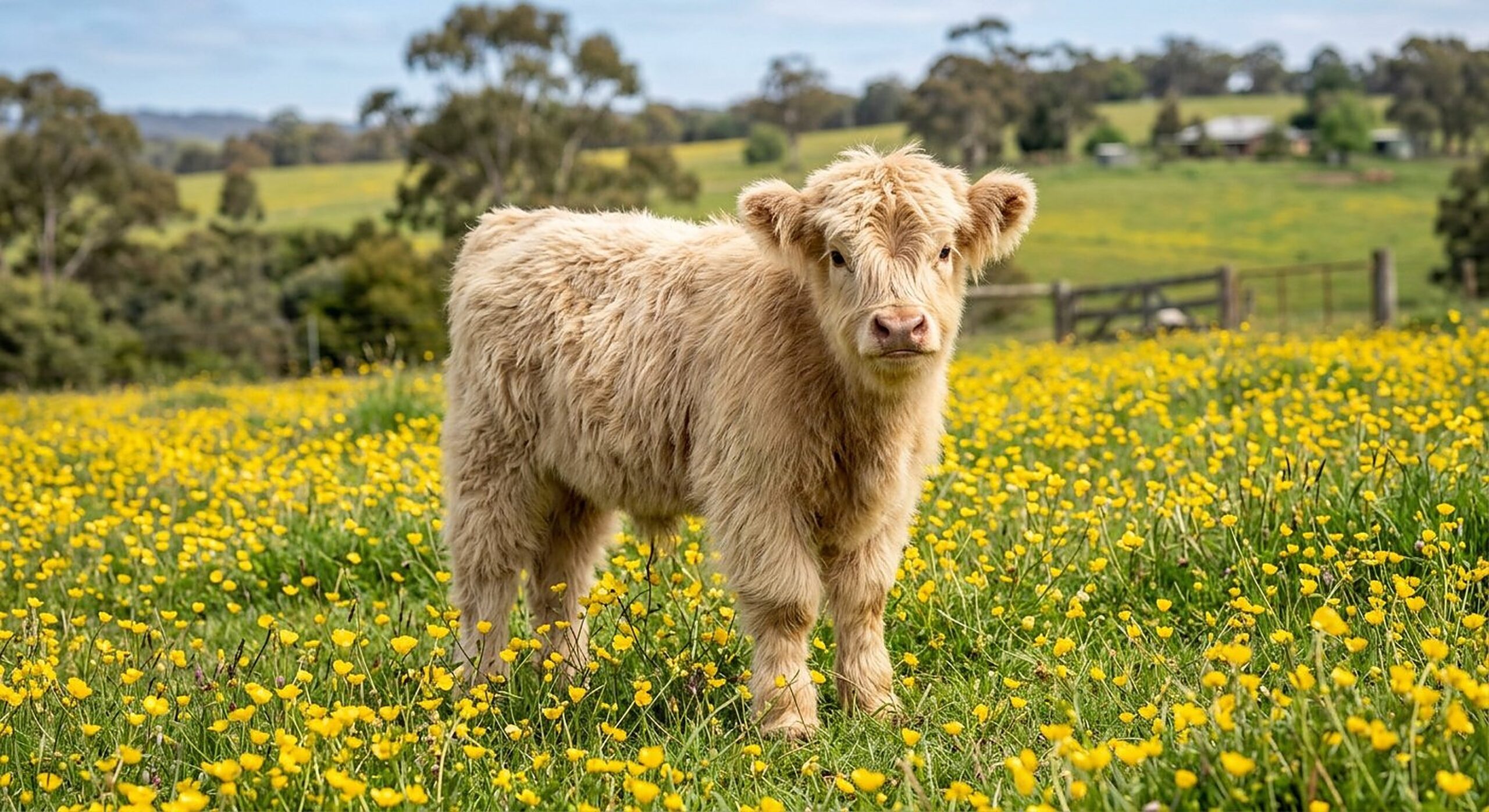
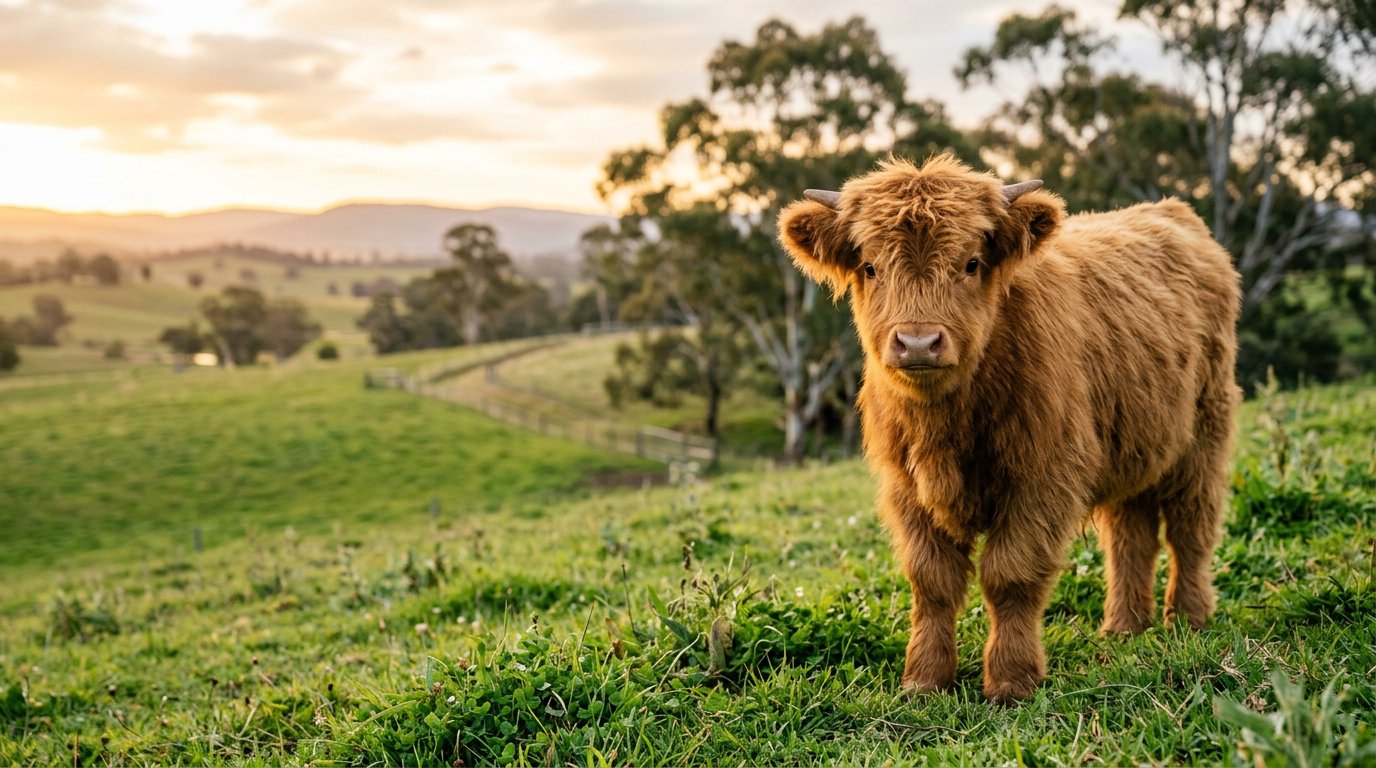
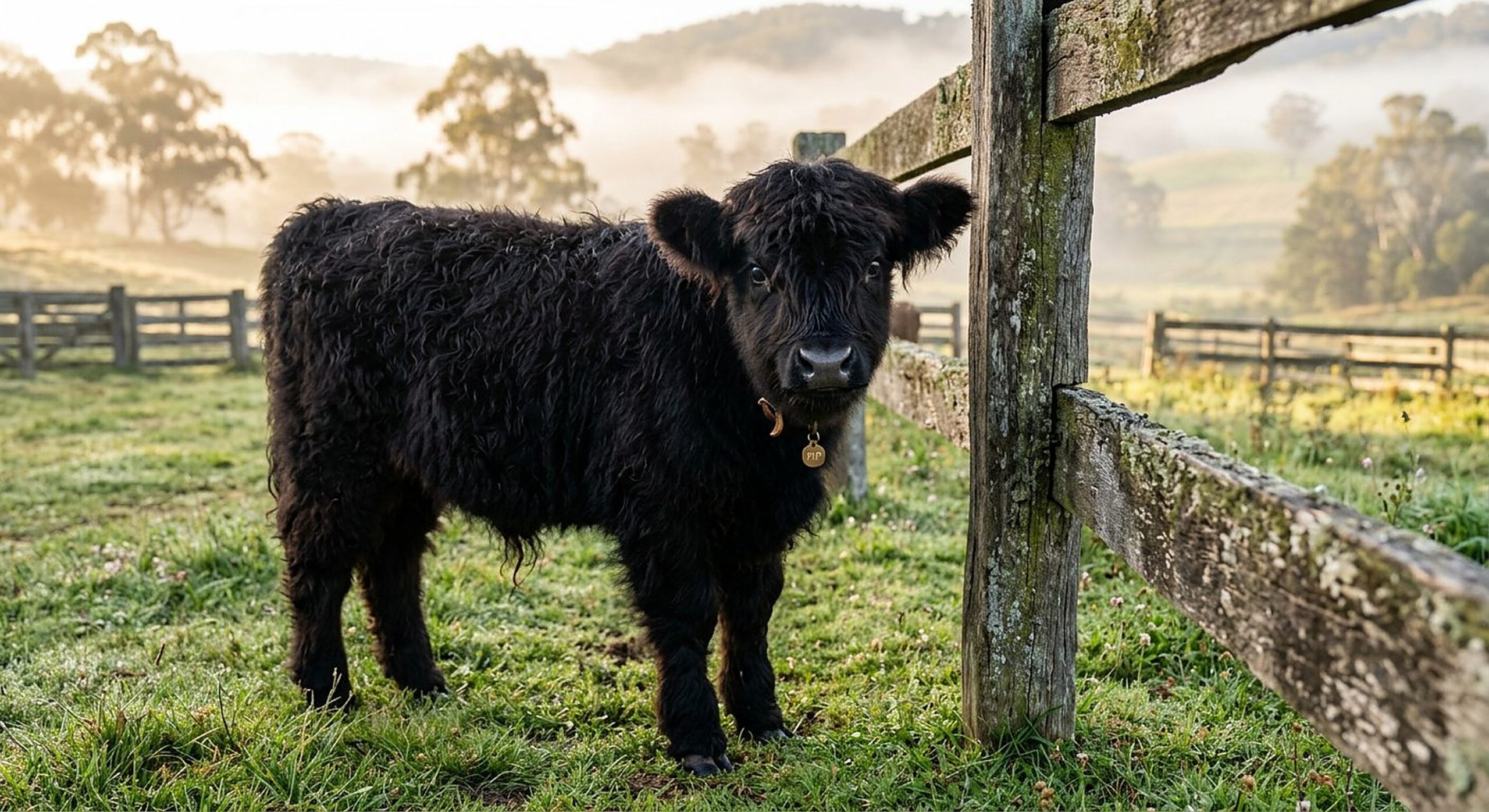
    Highland calf in an Australian paddock illustrating miniature highland calves in australia (illustrative photo)
    Good decisions start with seeing real cattle in real paddocks. (Illustrative photo)

    Living: the rhythm that works — Miniature Highland Calves in Australia

    Daily water and eyes, weekly fences and condition, seasonal shade and hay. Browse the care library here — feeding, shelter, grazing, health checklists — and add a local vet to the team before you need one.

    Timing deserves the same realism. Seasonal calving means the market breathes in and out across the year; buyers who can accept a season’s wait almost always end with the calf they actually wanted, rather than the calf that happened to be available in a hurry.

    Choosing your calf: the Mossvale way

    Browse all thirty colour showcase profiles, fall for a few faces, enquire with names and preferences, and join the waitlist for real calves like them. Enquire-for-price, no carts, no pressure — just the conversation every good purchase starts with.

    It’s also worth remembering that the buying decision sets the ceiling for everything after it. The right calf from the right people makes every subsequent season easier, cheaper and calmer — which is why experienced owners spend more time choosing breeders than comparing individual calf photos.
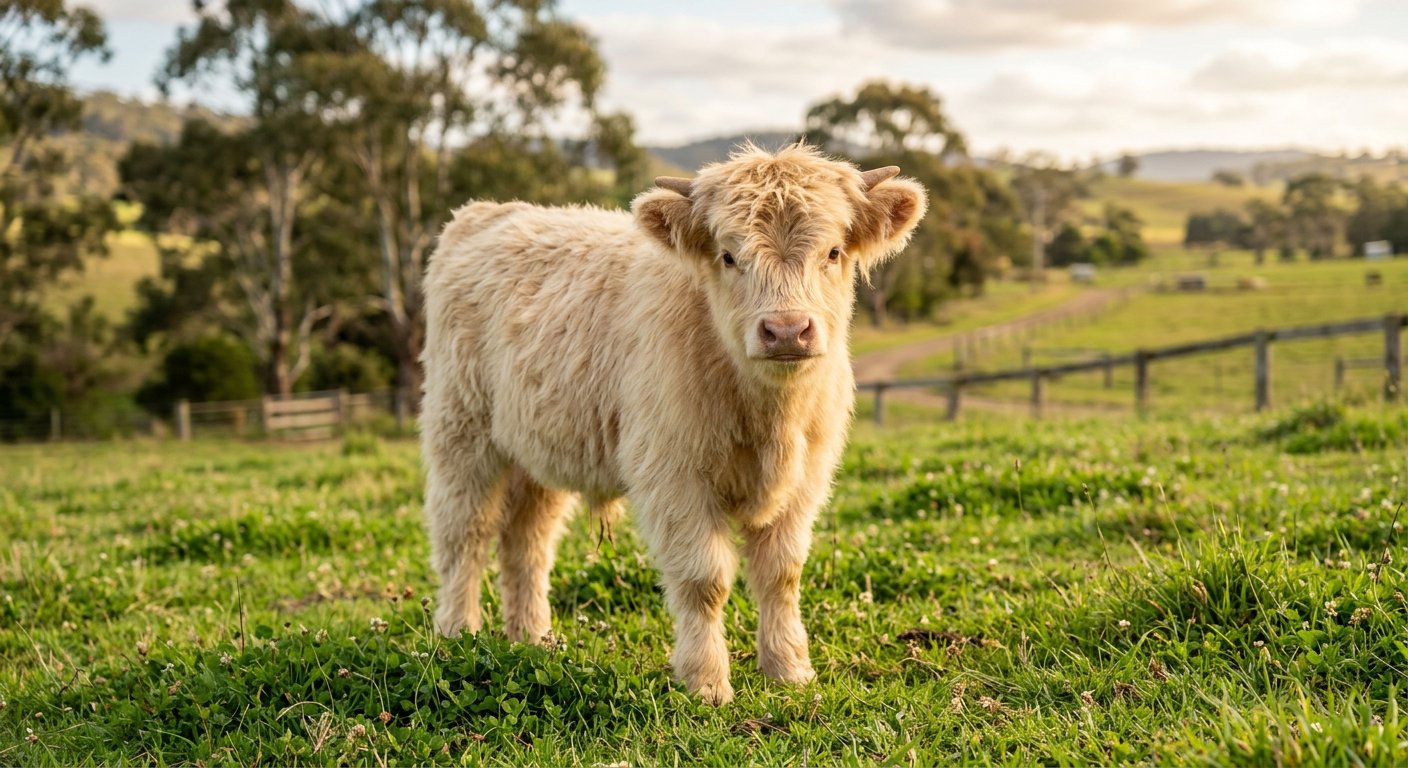
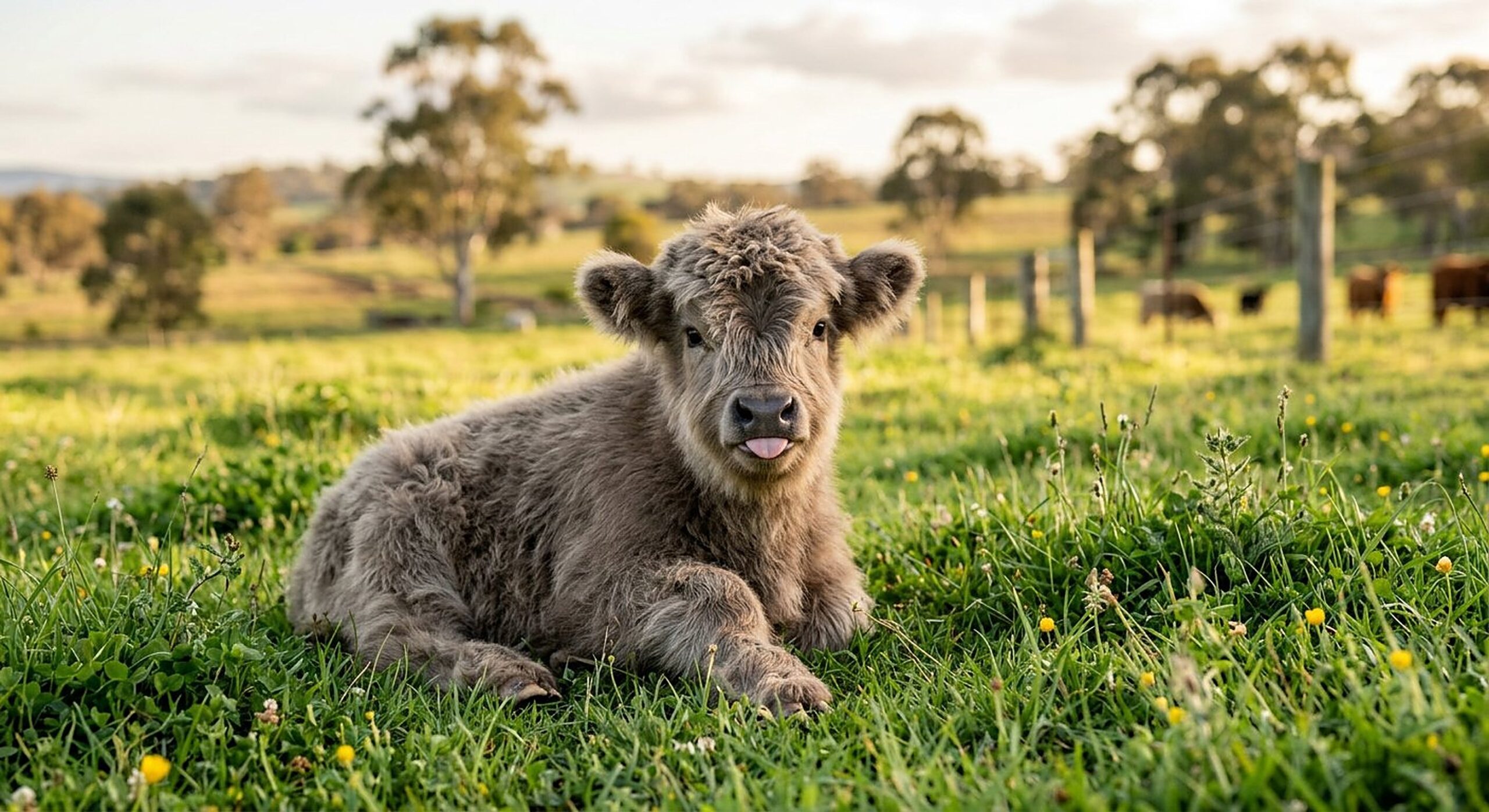
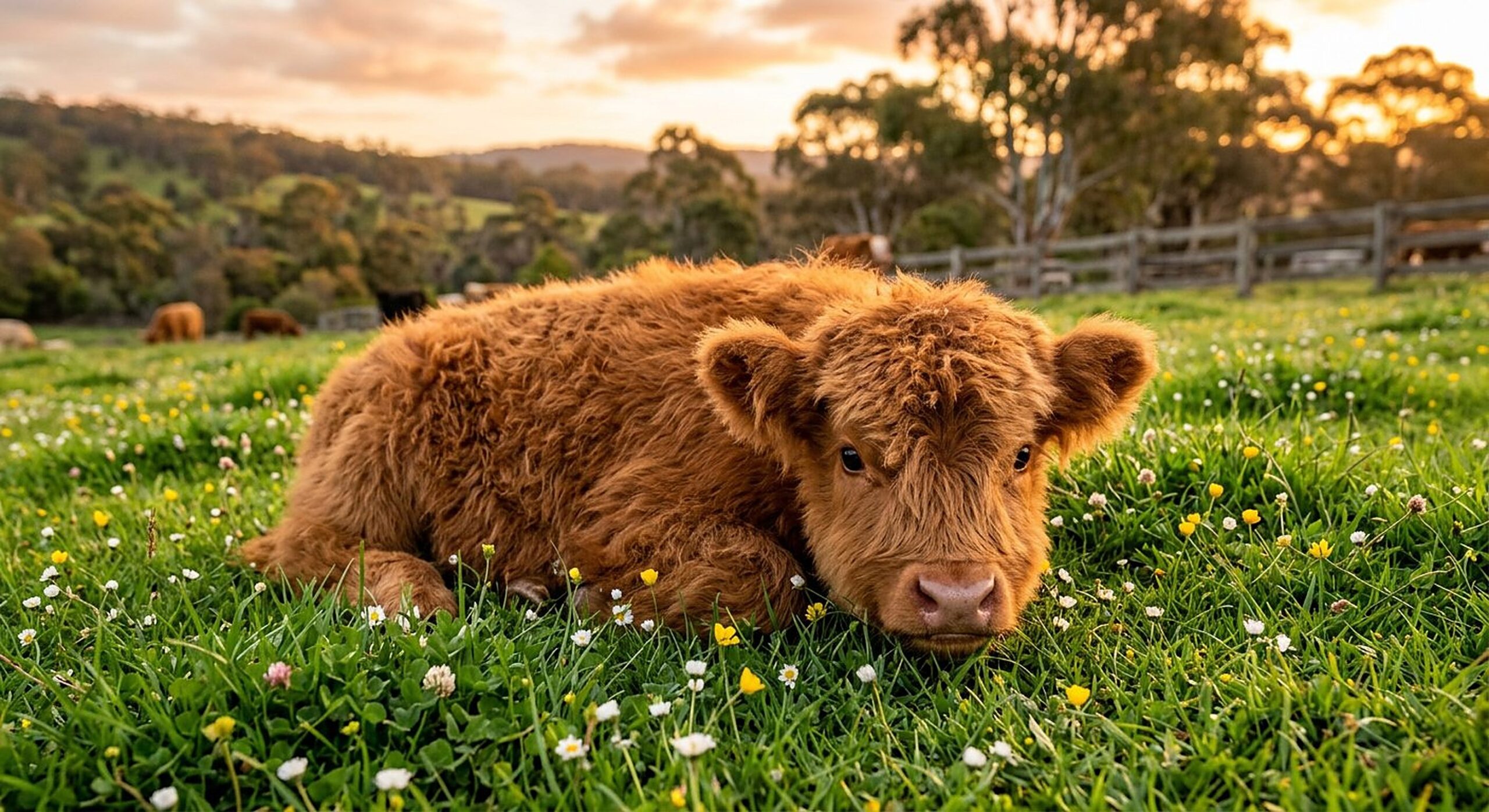
    Miniature Highland Calves in Australia in practice at Mossvale Highland Ranch Australia (illustrative photo)
    Every guide ends the same way: at the gate, watching cattle. (Illustrative photo)

    How Mossvale can help

    Whether your interest in miniature highland calves in australia is curiosity or a credit-card-adjacent level of serious, our door is the enquiry form. Browse the Available Calves showcase to shortlist colours, read what families say about the experience, and when you’re ready, enquire with your questions and preferences.

    Buyers sometimes apologise for asking too many questions. Please don’t. The enquiry stage is where good outcomes are built, and a breeder who treats your questions as a burden is showing you their after-sale service in advance. Ask the awkward ones early; the answers are cheaper now.

    Budget honestly for the whole picture: calf, fencing, water, hay reserves and a vet relationship. Owners who plan the system, not just the purchase, are the ones sending us photos of thriving cattle for years. If the numbers feel like a stretch today, a waitlist gives you time to make them comfortable.

    Colour and sex preferences are worth stating early — they cost nothing at enquiry and everything at the last minute. Waitlists turn preferences into matches. If your heart is split between two colours, say both; the calf that settles the argument usually introduces itself.

    A note on how we sell at Mossvale: by enquiry and waitlist, never by cart. That might feel old-fashioned beside one-click everything, but cattle are not parcels. The conversation before a sale is where matching happens — property, herd, colour, timing — and it’s why our families rarely have ‘wrong calf’ stories to tell.

    If a miniature highland calves in australia is the search that brought you here, save this guide and compare it against every other tab you have open — the differences between sellers show up fast. Most people researching miniature highland calves in australia are closer to a decision than they admit, so write your questions down while they’re fresh. Behind every miniature highland calves in australia enquiry is a property, a family and a future paddock routine — the details you share shape the match you get. There’s no wrong question about miniature highland calves in australia; there’s only the expensive kind you didn’t ask.

    Take your time with miniature highland calves in australia research — cattle reward the patient at every single stage. A good miniature highland calves in australia decision balances the head’s spreadsheet and the heart’s shortlist, in that order and then that order reversed. Families tell us the miniature highland calves in australia research phase became half the fun. Keep reading; the paddock is patient. If a miniature highland calves in australia is the search that brought you here, save this guide and compare it against every other tab you have open — the differences between sellers show up fast.

    Most people researching miniature highland calves in australia are closer to a decision than they admit, so write your questions down while they’re fresh. Behind every miniature highland calves in australia enquiry is a property, a family and a future paddock routine — the details you share shape the match you get. There’s no wrong question about miniature highland calves in australia; there’s only the expensive kind you didn’t ask. Take your time with miniature highland calves in australia research — cattle reward the patient at every single stage.

    A good miniature highland calves in australia decision balances the head’s spreadsheet and the heart’s shortlist, in that order and then that order reversed. Families tell us the miniature highland calves in australia research phase became half the fun. Keep reading; the paddock is patient. If a miniature highland calves in australia is the search that brought you here, save this guide and compare it against every other tab you have open — the differences between sellers show up fast. Most people researching miniature highland calves in australia are closer to a decision than they admit, so write your questions down while they’re fresh.

    Behind every miniature highland calves in australia enquiry is a property, a family and a future paddock routine — the details you share shape the match you get. There’s no wrong question about miniature highland calves in australia; there’s only the expensive kind you didn’t ask. Take your time with miniature highland calves in australia research — cattle reward the patient at every single stage. A good miniature highland calves in australia decision balances the head’s spreadsheet and the heart’s shortlist, in that order and then that order reversed.

    Families tell us the miniature highland calves in australia research phase became half the fun. Keep reading; the paddock is patient. If a miniature highland calves in australia is the search that brought you here, save this guide and compare it against every other tab you have open — the differences between sellers show up fast. Most people researching miniature highland calves in australia are closer to a decision than they admit, so write your questions down while they’re fresh. Behind every miniature highland calves in australia enquiry is a property, a family and a future paddock routine — the details you share shape the match you get.

    Insurance and contingency thinking belong in the same conversation. Cattle are robust, but fences meet storms, calves meet fences, and vets meet everyone eventually. A modest contingency fund, a relationship with a cattle vet established before any emergency, and a neighbour who can water stock if you’re away — that’s the unglamorous trio underneath every relaxed cattle owner you admire.

    It’s equally worth deciding, before you fall for a face, what happens in your herd’s future. Are these pets for two decades, the foundation of a boutique breeding programme, or the start of a beef enterprise? The answer changes which calf is ‘right’ — sex, genetics, colour emphasis, even timing. Breeders ask about your destination not from nosiness but because matching a calf to a fifteen-year plan is literally the job.

    Property readiness has a hierarchy worth respecting. Fencing first — everything in this guide is decoration until fences are honest. Water second, because cattle forgive many things but not thirst. Shade and shelter third, yards and handling facilities fourth, and only then the delightful extras like brushes, halters in matching colours and a name shortlist tournament. Buyers who build in that order spend the least twice.

    One underrated skill in buying well is simply returning calls and answering questions promptly — your own included. Waitlists are human systems run by busy farmers. The family who replies, confirms preferences and keeps their details current is the family who gets the ‘we have a calf you should see’ call. Courtesy is, quietly, a competitive advantage in a small breeding community.

    And when the match is offered, expect a small ceremony of paperwork and planning rather than a checkout chime: identity confirmed, inclusions listed, transport designed, dates agreed. If that careful dullness disappoints you, miniature humans invented online shopping for a reason. Cattle done properly feel like this — measured, personal, and right.

    Finally, hold your nerve about other people’s purchases. Someone will always announce a cheaper calf, a faster delivery, a rarer colour secured in a weekend. Some of those stories are true; many quietly omit the vet bills, the temperament saga and the fence rebuild. The buyers still smiling in year five are rarely the ones who ‘won’ the purchase. They’re the ones who bought well.

    Let’s talk about what a sensible buying timeline actually looks like, because it rarely resembles the highlight reel. Month one is learning: reading guides like this, stalking showcase profiles, checking your fences with new eyes. Month two is conversations: enquiries sent, questions asked, waitlists joined. Somewhere in there, a breeder says the sentence every buyer remembers — ‘we may have something for you’ — and suddenly the hay shed needs finishing by a real date. This unhurried runway is not a flaw in the system. It is the system, and it produces the calm arrivals and twenty-year matches that rushed purchases so often don’t.

    A quick checklist before you go

    • Fencing inspected, repaired and honest at calf height
    • Reliable clean water in every paddock, sized for summer
    • Shade and wind shelter positioned and sufficient
    • PIC registered and NLIS responsibilities understood
    • Hay and mineral supply planned for the first season
    • Vet relationship established before arrival day
    • Waitlist enquiry sent with colour, sex and timing preferences

    Miniature Highland Calves in Australia: common questions

    What’s the single best first step?

    Your property, honestly assessed. Fencing, water, shade and company plans turn calf shopping from a risk into a pleasure.

    How long does the whole process take?

    Weeks of preparation, a waitlist season in many cases, then twenty years of reward. The timeline is the feature, not the bug.

    Where do I start today?

    With the Available Calves showcase and an enquiry. Tell us your property, your colours and your questions — we’ll take it from there together.

    Still curious? The Mossvale FAQ page answers thirty more questions, and the blog library keeps growing. When a decision is forming, nothing beats a conversation — enquire early, even if your fences aren’t finished. Especially then.

    Ready to meet your future calf? Browse the showcase, shortlist your colours, and enquire with your questions — we’ll confirm real availability, pricing and waitlist details personally.


    Keep reading: Why Are Highland Calves So Fluffy? The Science of the Famous Coat · Miniature Highland Calf Prices in Australia: The Honest Guide
  • Why Are Highland Calves So Fluffy? The Science of the Famous Coat

    Why Are Highland Calves So Fluffy? The Science of the Famous Coat

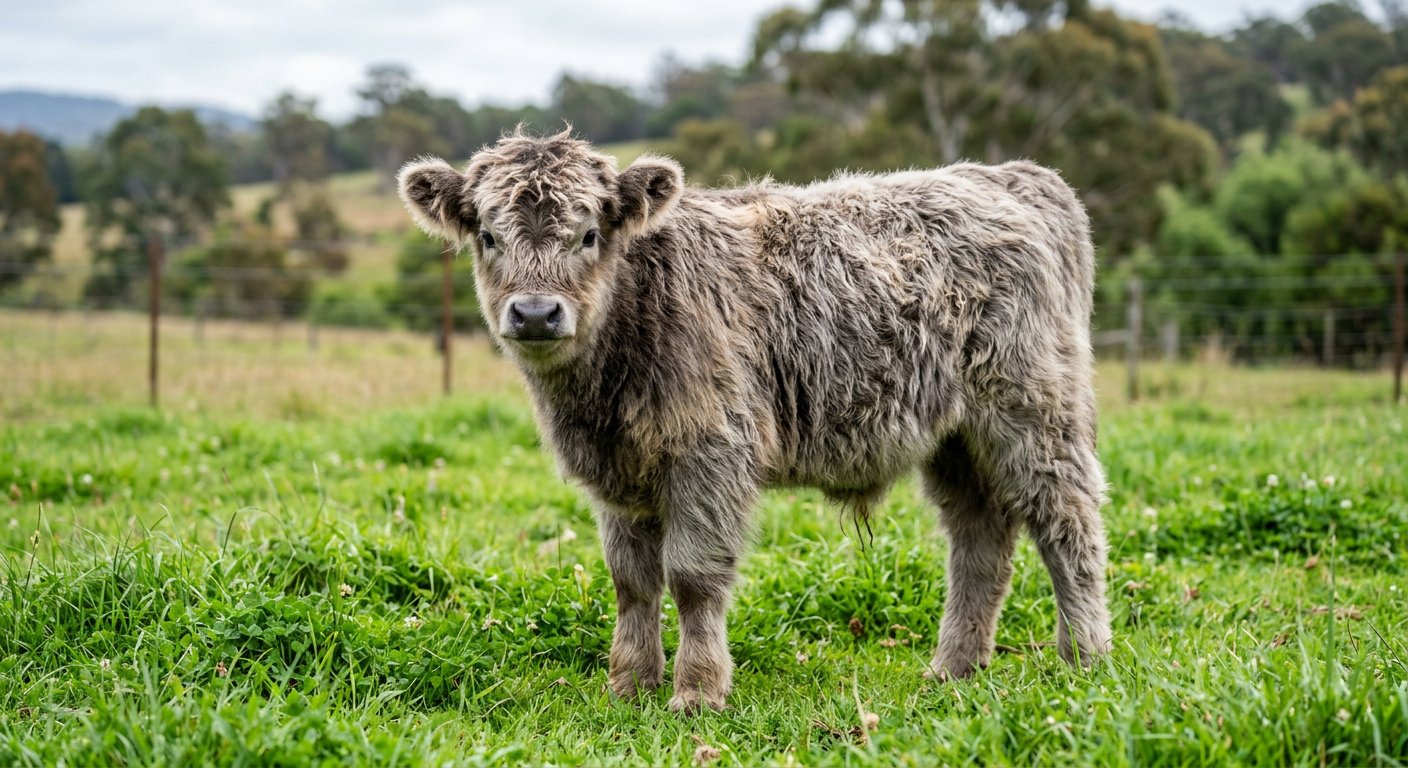
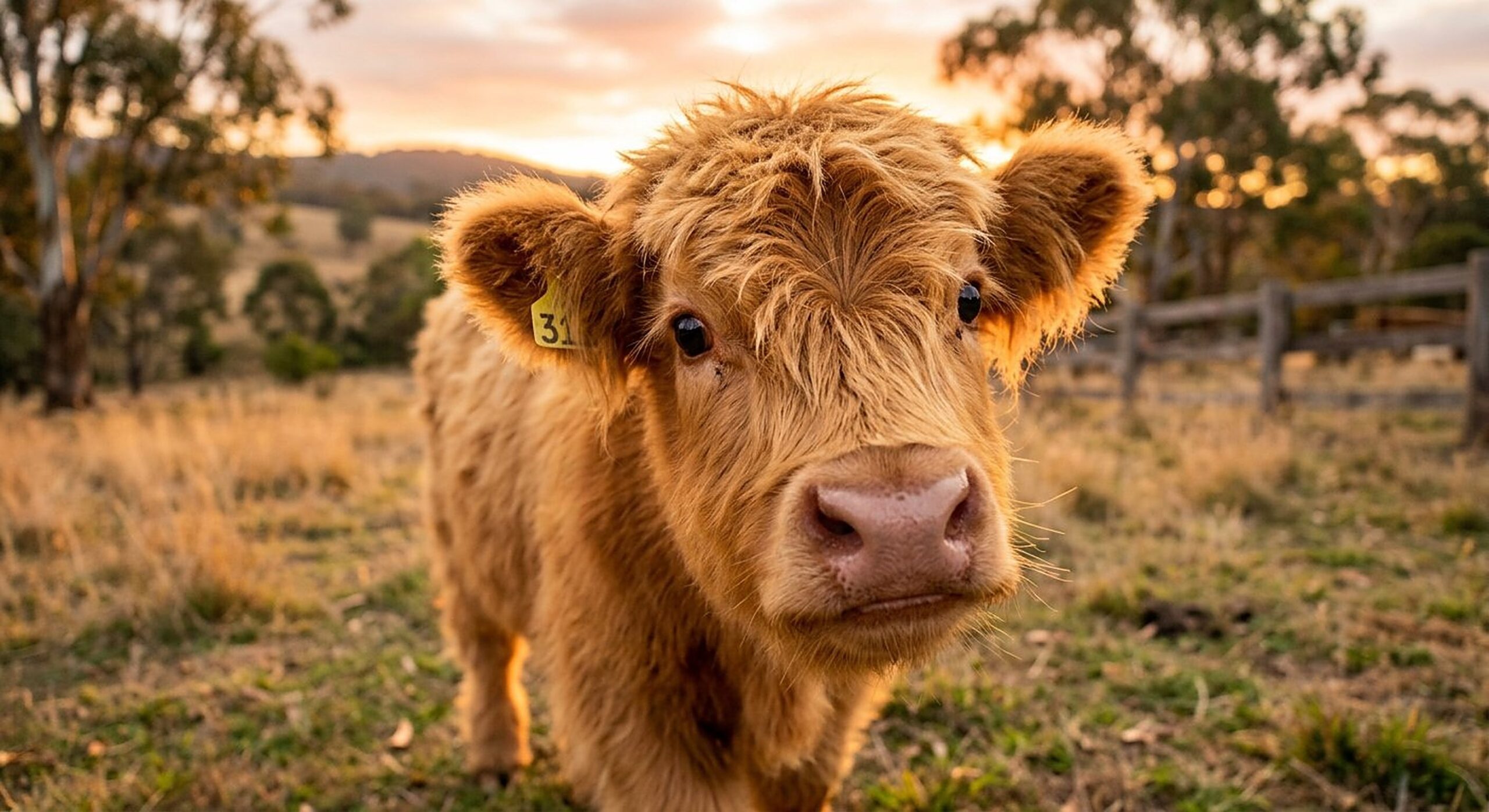
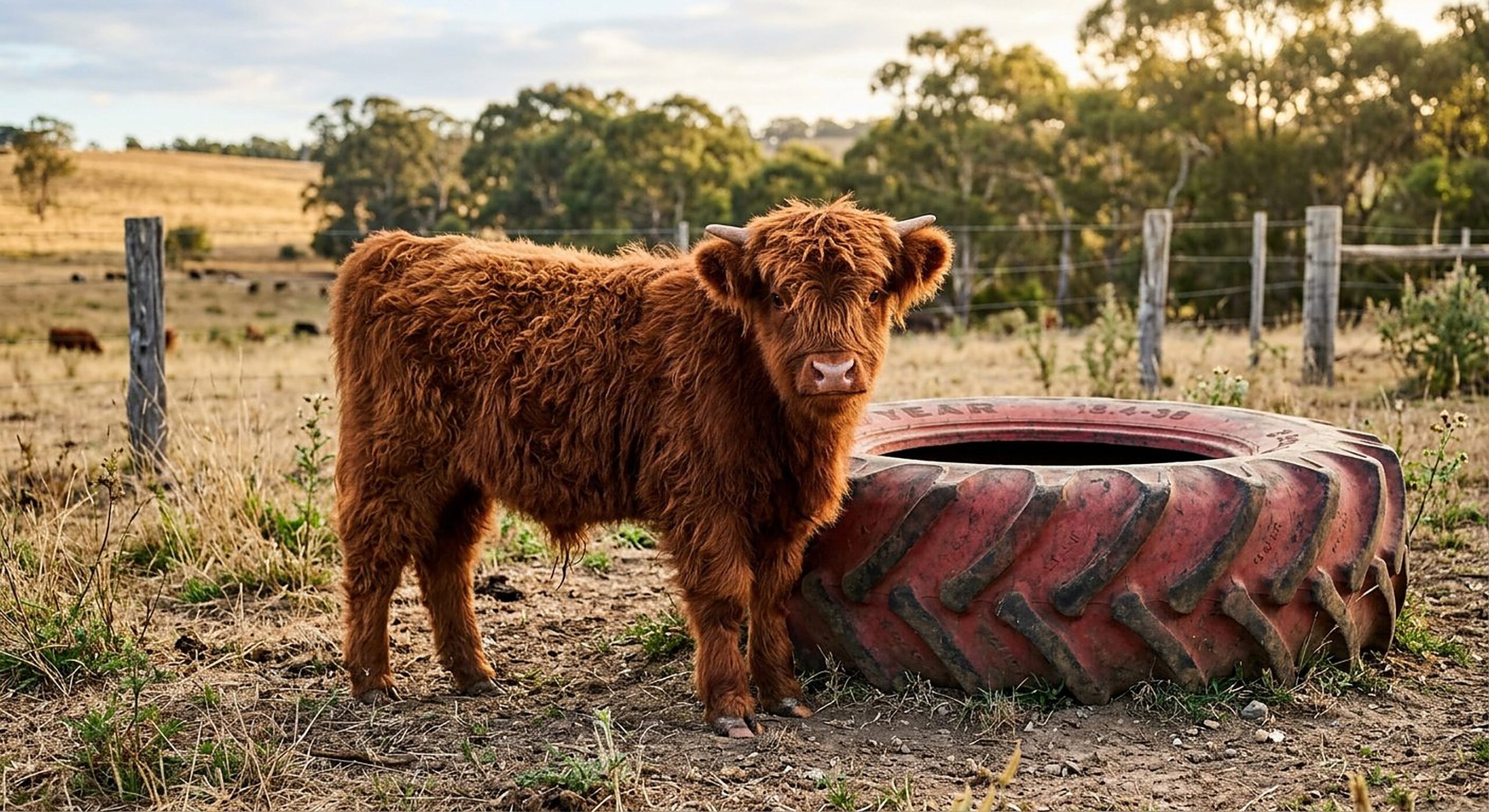
    why are highland calves so fluffy — miniature Highland calf at Mossvale Highland Ranch Australia (illustrative photo)
    Exploring why are highland calves so fluffy starts with a face like this. (Illustrative photo)

    It cannot be accidental design: the fringe, the lashes, the teddy-bear proportions. Why are Highland calves so fluffy comes down to Scottish weather, double-coat engineering, and one very photogenic survival strategy.

    This guide is part of the Mossvale library for Australian families researching why are highland calves so fluffy. It is written by cattle people, kept honest, and linked throughout to our care guide, buying guide and calf showcase — settle in, because the fluffy rabbit hole is also an educational one.

    Built for a Scottish winter — Why Are Highland Calves So Fluffy

    Why are Highland calves so fluffy starts in the Scottish hills: wind, sleet and cold that kills lesser-coated cattle. The breed answered with two coats — a downy underlayer for insulation and long guard hairs that shed weather like a thatched roof.

    The rhythm deepens with seasons: first winter coats, first calves for breeding herds, first names called across a frosty paddock by grandchildren. Ranch life with Highlands is measured in these returns, not in tasks completed.

    The dossan: more than a haircut

    The fringe over the eyes — the dossan — shades sun, sheds rain and discourages flies. It’s functional equipment wearing a fashion statement’s clothing, and it’s the feature every camera finds first.

    Start where you are. A fence repaired this weekend, a care guide read tonight, an enquiry sent without obligation — the distance between admiring these cattle and keeping them is shorter than it looks from the sofa.

    Highland calf in an Australian paddock illustrating why are highland calves so fluffy (illustrative photo)
    Good decisions start with seeing real cattle in real paddocks. (Illustrative photo)

    Why calves out-fluff the adults — Why Are Highland Calves So Fluffy

    Calf coats are proportionally denser and softer, on smaller, rounder frames. Add oversized eyelashes and short legs and you have the formula that launched a million saved photos and, eventually, a great many waitlist enquiries.

    The rhythm deepens with seasons: first winter coats, first calves for breeding herds, first names called across a frosty paddock by grandchildren. Ranch life with Highlands is measured in these returns, not in tasks completed.

    Does fluff mean high maintenance?

    Surprisingly little: seasonal brushing, good nutrition and health care grow and maintain the coat. The fluff is the breed’s own work; owners mostly provide the conditions — and the admiration.

    Start where you are. A fence repaired this weekend, a care guide read tonight, an enquiry sent without obligation — the distance between admiring these cattle and keeping them is shorter than it looks from the sofa.

    Why Are Highland Calves So Fluffy in practice at Mossvale Highland Ranch Australia (illustrative photo)
    Every guide ends the same way: at the gate, watching cattle. (Illustrative photo)

    How Mossvale can help

    Whether your interest in why are highland calves so fluffy is curiosity or a credit-card-adjacent level of serious, our door is the enquiry form. Browse the Available Calves showcase to shortlist colours, read what families say about the experience, and when you’re ready, enquire with your questions and preferences.

    Life with Highlands reorganises a household around paddock time — morning checks with the coffee, evening rounds in the last light. It’s the part new owners didn’t know they were buying, and the part they defend most fiercely within a year.

    These cattle also make neighbours into visitors and visitors into waitlist members. Something about a Highland at the fence resets a person’s sense of hurry. Plan for the social life, not just the stock work.

    However you arrive at Highland ownership — breeding ambitions, family dreams, a photo you couldn’t unsee — the destination is the same: quiet cattle, full hay sheds and a gate you look forward to opening. It starts with a single honest enquiry.

    Families tell us the why are highland calves so fluffy research phase became half the fun. Keep reading; the paddock is patient. If a why are highland calves so fluffy is the search that brought you here, save this guide and compare it against every other tab you have open — the differences between sellers show up fast. Most people researching why are highland calves so fluffy are closer to a decision than they admit, so write your questions down while they’re fresh. Behind every why are highland calves so fluffy enquiry is a property, a family and a future paddock routine — the details you share shape the match you get.

    There’s no wrong question about why are highland calves so fluffy; there’s only the expensive kind you didn’t ask. Take your time with why are highland calves so fluffy research — cattle reward the patient at every single stage. A good why are highland calves so fluffy decision balances the head’s spreadsheet and the heart’s shortlist, in that order and then that order reversed. Families tell us the why are highland calves so fluffy research phase became half the fun. Keep reading; the paddock is patient.

    If a why are highland calves so fluffy is the search that brought you here, save this guide and compare it against every other tab you have open — the differences between sellers show up fast. Most people researching why are highland calves so fluffy are closer to a decision than they admit, so write your questions down while they’re fresh. Behind every why are highland calves so fluffy enquiry is a property, a family and a future paddock routine — the details you share shape the match you get. There’s no wrong question about why are highland calves so fluffy; there’s only the expensive kind you didn’t ask.

    Take your time with why are highland calves so fluffy research — cattle reward the patient at every single stage. A good why are highland calves so fluffy decision balances the head’s spreadsheet and the heart’s shortlist, in that order and then that order reversed. Families tell us the why are highland calves so fluffy research phase became half the fun. Keep reading; the paddock is patient. If a why are highland calves so fluffy is the search that brought you here, save this guide and compare it against every other tab you have open — the differences between sellers show up fast.

    Most people researching why are highland calves so fluffy are closer to a decision than they admit, so write your questions down while they’re fresh. Behind every why are highland calves so fluffy enquiry is a property, a family and a future paddock routine — the details you share shape the match you get.

    There’s a particular hour — late afternoon, chores done, kettle imminent — when cattle people understand their own life choices completely. The herd is settled, the light is doing its thing across the coats, and the day’s urgencies have shrunk to their proper size. If this guide and this ranch exist for a reason, it’s manufacturing more of that hour for more families.

    Ranch life with Highlands also rewires weekends productively. Fences get walked because the walk is the pleasure. Grandchildren learn where food and patience come from. The property stops being a backdrop and becomes a cast of characters, each with a name, a history and strong opinions about the bucket.

    Start small and document everything. The photo of the first calf beside the unfinished fence becomes family treasure precisely because nothing was perfect yet. Perfection, in ranching as in most honest trades, is just consistency photographed from a kind distance.

    Community is the other crop. Breed societies, field days, the neighbour who lends the crush, the breeder who answers your 9 p.m. text about a calf off her dinner — cattle people accumulate people. Whatever brings you to Highlands, expect to stay partly for the humans.

    And the seasons will teach you the rest. Every herd year adds a layer of knowing — this paddock’s recovery time, that cow’s calving tells, the exact week the winter coats ignite. It’s an education you can’t buy, only keep cattle long enough to receive.

    So take the small step in front of you. Read the next guide, walk your fences with new eyes, send the enquiry you’ve been drafting in your head for a month. Ranches, like herds, are built one unglamorous, well-chosen decision at a time.

    A quick checklist before you go

    • Start with the property: fences, water, shade, company
    • Choose quiet individuals from quietly-run herds
    • Build the daily round: water, forage, eyes on cattle
    • Keep records and photographs from the very first week
    • Join the community: breed society, local cattle people
    • Plan in decades — these animals will share your story
    • Send the enquiry; every ranch began exactly that way

    Why Are Highland Calves So Fluffy: common questions

    Do calves lose their fluff as adults?

    The coat matures into the adult double coat — sleeker in summer, spectacular in winter. The fringe, thankfully, is forever.

    Are fluffy calves warmer in Australian summers?

    The coat insulates both ways and sheds down seasonally. Shade and water remain your summer job; insulation is theirs.

    Which colour shows fluff best?

    Golden reds photograph like sunsets, silvers like mist, blacks like velvet. The correct answer is whichever one is standing at your fence.

    Still curious? The Mossvale FAQ page answers thirty more questions, and the blog library keeps growing. When a decision is forming, nothing beats a conversation — enquire early, even if your fences aren’t finished. Especially then.

    Ready to meet your future calf? Browse the showcase, shortlist your colours, and enquire with your questions — we’ll confirm real availability, pricing and waitlist details personally.


    Keep reading: Miniature Highland Cows for Beginners: The Friendly Starting Guide · Miniature Highland Calves in Australia: The Complete 2026 Buyer’s Handbook

  • Miniature Highland Cows for Beginners: The Friendly Starting Guide

    Miniature Highland Cows for Beginners: The Friendly Starting Guide

    miniature highland cows for beginners — miniature Highland calf at Mossvale Highland Ranch Australia (illustrative photo)
    Exploring miniature highland cows for beginners starts with a face like this. (Illustrative photo)

    Every Highland expert was once a person googling at midnight. This miniature Highland cows for beginners guide gathers the essentials — property, company, feeding, handling, buying — into one friendly place to start.

    This guide is part of the Mossvale library for Australian families researching miniature highland cows for beginners. It is written by cattle people, kept honest, and linked throughout to our care guide, buying guide and calf showcase — settle in, because the fluffy rabbit hole is also an educational one.

    The beginner’s property checklist — Miniature Highland Cows for Beginners

    Secure fencing, reliable water, shade, mineral access and a PIC. Miniature highland cows for beginners succeed on these five foundations more than on any purchase decision. Build them first; shop with a calm heart second.

    It’s also worth remembering that the buying decision sets the ceiling for everything after it. The right calf from the right people makes every subsequent season easier, cheaper and calmer — which is why experienced owners spend more time choosing breeders than comparing individual calf photos.

    Company and numbers

    Cattle are herd animals; plan pairs or integration with existing cattle from the start. Two calves growing up together are easier than one lonely calf and a guilty owner — ask anyone who’s tried both ways.

    Documentation is part of that decision. Written details, identification, agreed inclusions and transport plans are the boring paperwork underneath every joyful arrival day photo. Insist on them kindly and completely.

    Highland calf in an Australian paddock illustrating miniature highland cows for beginners (illustrative photo)
    Good decisions start with seeing real cattle in real paddocks. (Illustrative photo)

    Feeding and care, uncomplicated — Miniature Highland Cows for Beginners

    Pasture, hay when needed, minerals, water, observation. Beginners overthink feed and underthink watching; reverse that and you’re ahead of most. Our care guide is your next read after this one.

    Timing deserves the same realism. Seasonal calving means the market breathes in and out across the year; buyers who can accept a season’s wait almost always end with the calf they actually wanted, rather than the calf that happened to be available in a hurry.

    Buying your first calf

    Waitlist early, ask everything, choose temperament first and colour second, and buy from people who’ll answer your calls in year two. That’s the entire method — the rest is joyful detail.

    It’s also worth remembering that the buying decision sets the ceiling for everything after it. The right calf from the right people makes every subsequent season easier, cheaper and calmer — which is why experienced owners spend more time choosing breeders than comparing individual calf photos.

    Miniature Highland Cows for Beginners in practice at Mossvale Highland Ranch Australia (illustrative photo)
    Every guide ends the same way: at the gate, watching cattle. (Illustrative photo)

    How Mossvale can help

    Whether your interest in miniature highland cows for beginners is curiosity or a credit-card-adjacent level of serious, our door is the enquiry form. Browse the Available Calves showcase to shortlist colours, read what families say about the experience, and when you’re ready, enquire with your questions and preferences.

    Colour and sex preferences are worth stating early — they cost nothing at enquiry and everything at the last minute. Waitlists turn preferences into matches. If your heart is split between two colours, say both; the calf that settles the argument usually introduces itself.

    A note on how we sell at Mossvale: by enquiry and waitlist, never by cart. That might feel old-fashioned beside one-click everything, but cattle are not parcels. The conversation before a sale is where matching happens — property, herd, colour, timing — and it’s why our families rarely have ‘wrong calf’ stories to tell.

    Buyers sometimes apologise for asking too many questions. Please don’t. The enquiry stage is where good outcomes are built, and a breeder who treats your questions as a burden is showing you their after-sale service in advance. Ask the awkward ones early; the answers are cheaper now.

    Budget honestly for the whole picture: calf, fencing, water, hay reserves and a vet relationship. Owners who plan the system, not just the purchase, are the ones sending us photos of thriving cattle for years. If the numbers feel like a stretch today, a waitlist gives you time to make them comfortable.

    A good miniature highland cows for beginners decision balances the head’s spreadsheet and the heart’s shortlist, in that order and then that order reversed. Families tell us the miniature highland cows for beginners research phase became half the fun. Keep reading; the paddock is patient. If a miniature highland cows for beginners is the search that brought you here, save this guide and compare it against every other tab you have open — the differences between sellers show up fast. Most people researching miniature highland cows for beginners are closer to a decision than they admit, so write your questions down while they’re fresh.

    Behind every miniature highland cows for beginners enquiry is a property, a family and a future paddock routine — the details you share shape the match you get. There’s no wrong question about miniature highland cows for beginners; there’s only the expensive kind you didn’t ask. Take your time with miniature highland cows for beginners research — cattle reward the patient at every single stage. A good miniature highland cows for beginners decision balances the head’s spreadsheet and the heart’s shortlist, in that order and then that order reversed.

    Families tell us the miniature highland cows for beginners research phase became half the fun. Keep reading; the paddock is patient. If a miniature highland cows for beginners is the search that brought you here, save this guide and compare it against every other tab you have open — the differences between sellers show up fast. Most people researching miniature highland cows for beginners are closer to a decision than they admit, so write your questions down while they’re fresh. Behind every miniature highland cows for beginners enquiry is a property, a family and a future paddock routine — the details you share shape the match you get.

    There’s no wrong question about miniature highland cows for beginners; there’s only the expensive kind you didn’t ask. Take your time with miniature highland cows for beginners research — cattle reward the patient at every single stage. A good miniature highland cows for beginners decision balances the head’s spreadsheet and the heart’s shortlist, in that order and then that order reversed. Families tell us the miniature highland cows for beginners research phase became half the fun. Keep reading; the paddock is patient.

    If a miniature highland cows for beginners is the search that brought you here, save this guide and compare it against every other tab you have open — the differences between sellers show up fast. Most people researching miniature highland cows for beginners are closer to a decision than they admit, so write your questions down while they’re fresh. Behind every miniature highland cows for beginners enquiry is a property, a family and a future paddock routine — the details you share shape the match you get. There’s no wrong question about miniature highland cows for beginners; there’s only the expensive kind you didn’t ask.

    Take your time with miniature highland cows for beginners research — cattle reward the patient at every single stage. A good miniature highland cows for beginners decision balances the head’s spreadsheet and the heart’s shortlist, in that order and then that order reversed. Families tell us the miniature highland cows for beginners research phase became half the fun. Keep reading; the paddock is patient. If a miniature highland cows for beginners is the search that brought you here, save this guide and compare it against every other tab you have open — the differences between sellers show up fast.

    And when the match is offered, expect a small ceremony of paperwork and planning rather than a checkout chime: identity confirmed, inclusions listed, transport designed, dates agreed. If that careful dullness disappoints you, miniature humans invented online shopping for a reason. Cattle done properly feel like this — measured, personal, and right.

    Finally, hold your nerve about other people’s purchases. Someone will always announce a cheaper calf, a faster delivery, a rarer colour secured in a weekend. Some of those stories are true; many quietly omit the vet bills, the temperament saga and the fence rebuild. The buyers still smiling in year five are rarely the ones who ‘won’ the purchase. They’re the ones who bought well.

    Let’s talk about what a sensible buying timeline actually looks like, because it rarely resembles the highlight reel. Month one is learning: reading guides like this, stalking showcase profiles, checking your fences with new eyes. Month two is conversations: enquiries sent, questions asked, waitlists joined. Somewhere in there, a breeder says the sentence every buyer remembers — ‘we may have something for you’ — and suddenly the hay shed needs finishing by a real date. This unhurried runway is not a flaw in the system. It is the system, and it produces the calm arrivals and twenty-year matches that rushed purchases so often don’t.

    There’s a financial rhythm worth planning, too. Beyond the calf itself, year one carries the one-off costs: fence repairs you postponed, a shelter you’ve been meaning to build, yards, troughs, perhaps a float’s worth of transport. Years after that settle into the honest pattern of feed, minerals, health and hay. Families who map year one separately from the steady state are never ambushed by either, and they enjoy the arrival instead of auditing it.

    Insurance and contingency thinking belong in the same conversation. Cattle are robust, but fences meet storms, calves meet fences, and vets meet everyone eventually. A modest contingency fund, a relationship with a cattle vet established before any emergency, and a neighbour who can water stock if you’re away — that’s the unglamorous trio underneath every relaxed cattle owner you admire.

    It’s equally worth deciding, before you fall for a face, what happens in your herd’s future. Are these pets for two decades, the foundation of a boutique breeding programme, or the start of a beef enterprise? The answer changes which calf is ‘right’ — sex, genetics, colour emphasis, even timing. Breeders ask about your destination not from nosiness but because matching a calf to a fifteen-year plan is literally the job.

    Property readiness has a hierarchy worth respecting. Fencing first — everything in this guide is decoration until fences are honest. Water second, because cattle forgive many things but not thirst. Shade and shelter third, yards and handling facilities fourth, and only then the delightful extras like brushes, halters in matching colours and a name shortlist tournament. Buyers who build in that order spend the least twice.

    A quick checklist before you go

    • Fencing inspected, repaired and honest at calf height
    • Reliable clean water in every paddock, sized for summer
    • Shade and wind shelter positioned and sufficient
    • PIC registered and NLIS responsibilities understood
    • Hay and mineral supply planned for the first season
    • Vet relationship established before arrival day
    • Waitlist enquiry sent with colour, sex and timing preferences

    Miniature Highland Cows for Beginners: common questions

    What’s the biggest beginner mistake?

    Buying before the property is ready. Fences finished in excitement beat fences finished in emergency, every time.

    How much time daily?

    Fifteen honest minutes of checks, plus however long you choose to stay admiring your work. Most stay.

    Where should I learn next?

    Our buying guide, care guide and FAQ pages go deeper, and the blog library here answers the 2 a.m. questions as they arrive.

    Still curious? The Mossvale FAQ page answers thirty more questions, and the blog library keeps growing. When a decision is forming, nothing beats a conversation — enquire early, even if your fences aren’t finished. Especially then.

    Ready to meet your future calf? Browse the showcase, shortlist your colours, and enquire with your questions — we’ll confirm real availability, pricing and waitlist details personally.


    Keep reading: Rotational Grazing with Miniature Highlands: Small Herds, Big Grass Wins · Why Are Highland Calves So Fluffy? The Science of the Famous Coat

  • Rotational Grazing with Miniature Highlands: Small Herds, Big Grass Wins

    Rotational Grazing with Miniature Highlands: Small Herds, Big Grass Wins

    rotational grazing miniature highland cattle — miniature Highland calf at Mossvale Highland Ranch Australia (illustrative photo)
    Exploring rotational grazing miniature highland cattle starts with a face like this. (Illustrative photo)

    Rotational grazing with miniature Highland cattle turns modest acreage into a grass-growing machine. This guide covers subdivision, rest periods, water placement and the fringe-level details of moving small herds happily.

    This guide is part of the Mossvale library for Australian families researching rotational grazing miniature highland cattle. It is written by cattle people, kept honest, and linked throughout to our care guide, buying guide and calf showcase — settle in, because the fluffy rabbit hole is also an educational one.

    The one-sentence science — Rotational Grazing Miniature Highland Cattle

    Grass grows best in the recovery after grazing, not during it. Rotational grazing with miniature Highland cattle simply herds that biology: graze a section, move on, let it rest and regrow. Your pasture does the compounding; cattle do the harvesting.

    Consistency compounds. Cattle read routines like weather forecasts — feeding times, handling patterns, the sound of your gate. The more predictable your rhythm, the calmer the herd and the clearer any deviation becomes when something genuinely needs attention.

    Subdividing without a fortune

    Electric tape and step-in posts make rotation accessible on any budget. Start with two halves, then quarters as confidence grows. Water access shapes every layout — design around troughs or moveable water first, fences second.

    Seasonal planning is the other half of that consistency. Hay bought before the shortage, shade finished before the heatwave, yards repaired before the weaning weekend — cattle keeping rewards those who run a month ahead of the calendar.

    Highland calf in an Australian paddock illustrating rotational grazing miniature highland cattle (illustrative photo)
    Good decisions start with seeing real cattle in real paddocks. (Illustrative photo)

    Reading the grass, not the calendar — Rotational Grazing Miniature Highland Cattle

    Move on residual height and recovery, not dates. Highlands are thorough grazers; leaving sensible residuals protects roots, soil cover and next month’s feed. Your eye becomes the management tool money can’t buy.

    And keep learning locally. Join your breed society, buy your vet a coffee at the clinic desk, and swap notes with the cattle people at the produce store. Herds improve at the speed of their owners’ education.

    Bonus effects you’ll notice

    Parasite burdens ease when pastures rest, manure spreads itself, and cattle learn a moving routine they visibly enjoy. New gate day becomes a herd festival — bring a camera and no urgency.

    Consistency compounds. Cattle read routines like weather forecasts — feeding times, handling patterns, the sound of your gate. The more predictable your rhythm, the calmer the herd and the clearer any deviation becomes when something genuinely needs attention.

    Rotational Grazing Miniature Highland Cattle in practice at Mossvale Highland Ranch Australia (illustrative photo)
    Every guide ends the same way: at the gate, watching cattle. (Illustrative photo)

    How Mossvale can help

    Whether your interest in rotational grazing miniature highland cattle is curiosity or a credit-card-adjacent level of serious, our door is the enquiry form. Browse the Available Calves showcase to shortlist colours, read what families say about the experience, and when you’re ready, enquire with your questions and preferences.

    Keep records like a professional, even with two cattle. Feed changes, treatments, weights, calving notes, that odd Tuesday a heifer seemed quiet — the notebook you keep this year becomes the expertise you lend a neighbour in five years’ time.

    Infrastructure ages; routines shouldn’t. Whatever your facilities look like this season, a calm daily rhythm of water, forage and eyes-on checking outperforms any single expensive purchase you could make for your herd.

    A word about advice: the best cattle care is local. Your vet, your district’s experienced owners and your own paddock notebook will out-advise any website — including this one. Use guides like ours to frame the questions, then let local knowledge sharpen the answers for your soil, your rainfall and your herd.

    Take your time with rotational grazing miniature highland cattle research — cattle reward the patient at every single stage. A good rotational grazing miniature highland cattle decision balances the head’s spreadsheet and the heart’s shortlist, in that order and then that order reversed. Families tell us the rotational grazing miniature highland cattle research phase became half the fun. Keep reading; the paddock is patient. If a rotational grazing miniature highland cattle is the search that brought you here, save this guide and compare it against every other tab you have open — the differences between sellers show up fast.

    Most people researching rotational grazing miniature highland cattle are closer to a decision than they admit, so write your questions down while they’re fresh. Behind every rotational grazing miniature highland cattle enquiry is a property, a family and a future paddock routine — the details you share shape the match you get. There’s no wrong question about rotational grazing miniature highland cattle; there’s only the expensive kind you didn’t ask. Take your time with rotational grazing miniature highland cattle research — cattle reward the patient at every single stage.

    A good rotational grazing miniature highland cattle decision balances the head’s spreadsheet and the heart’s shortlist, in that order and then that order reversed. Families tell us the rotational grazing miniature highland cattle research phase became half the fun. Keep reading; the paddock is patient. If a rotational grazing miniature highland cattle is the search that brought you here, save this guide and compare it against every other tab you have open — the differences between sellers show up fast. Most people researching rotational grazing miniature highland cattle are closer to a decision than they admit, so write your questions down while they’re fresh.

    Behind every rotational grazing miniature highland cattle enquiry is a property, a family and a future paddock routine — the details you share shape the match you get. There’s no wrong question about rotational grazing miniature highland cattle; there’s only the expensive kind you didn’t ask. Take your time with rotational grazing miniature highland cattle research — cattle reward the patient at every single stage. A good rotational grazing miniature highland cattle decision balances the head’s spreadsheet and the heart’s shortlist, in that order and then that order reversed.

    Families tell us the rotational grazing miniature highland cattle research phase became half the fun. Keep reading; the paddock is patient. If a rotational grazing miniature highland cattle is the search that brought you here, save this guide and compare it against every other tab you have open — the differences between sellers show up fast.

    Seasonal feed budgeting separates calm owners from desperate ones at exactly the same moment each year: the first cold snap or the first failed rain. Count your hay like money in the bank, because that is precisely what it is. Buying reserves when grass is green and prices are soft is the closest thing cattle keeping has to a guaranteed return on investment.

    Learn your land’s toxic plants and your district’s deficiency quirks before your herd teaches you either lesson. Local knowledge exists for every postcode in Australia — vets, agronomists, livestock officers and the family at the produce store who’ve run cattle there for forty years. Ask early, write it down, and walk new paddocks with those eyes before the herd does.

    Don’t underestimate the mental-health line item, either. Cattle keeping, done at the rhythm this guide describes, gives owners a daily appointment with unhurried animals in open air. Ask long-term owners why they persist through mud and hay prices and most will eventually describe the evening paddock round in terms suspiciously like therapy — cheaper, muddier, and with better listeners.

    And when something does go wrong — it will, in small ways, across twenty years — the system you’ve built absorbs it: the vet who knows your herd, the yards that work, the records that answer questions, the hay that was already stacked. Good care isn’t the absence of problems. It’s being boringly ready for them.

    The quiet secret of good cattle keeping is that almost everything is a feeding decision wearing a disguise. Condition, coat, fertility, temperament at the gate, even fence respect — all of it traces back to consistent, appropriate nutrition and the minerals and water that complete it. When something puzzles you about your herd, audit the feed and water before reaching for complicated theories. Nine times in ten, the answer is eating or drinking.

    Observation deserves its own paragraph because nobody believes its power until they’ve lived it. The owner who notices a heifer standing apart at breakfast has bought themselves a two-day head start on whatever is brewing. Build observation into immovable daily anchors — the morning coffee round, the evening gate check — and it survives busy weeks that would kill a ‘when I remember’ system.

    Handling facilities deserve earlier investment than most beginners plan. A small, safe yard where cattle can be caught calmly turns vet visits, treatments and loading from rodeo re-enactments into ten-minute non-events. You don’t need a showpiece setup; you need gates that swing, rails that hold and a design your cattle enter voluntarily at feed time all year round.

    A quick checklist before you go

    • Clean water checked daily, troughs scrubbed weekly
    • Pasture or hay available at all times, minerals free-choice
    • Daily observation: appetite, movement, manure, mood
    • Fences and gates walked on a weekly rhythm
    • Seasonal plans ready: shade for summer, hay for winter
    • Handling practised kindly while animals are young
    • Records kept: treatments, condition, feed changes, dates

    Rotational Grazing Miniature Highland Cattle: common questions

    How many paddocks do I need?

    Start with whatever subdivision you can manage; even two beats one. More, smaller cells give finer control as you learn.

    How long should each rest be?

    Until the grass has genuinely recovered — weeks vary by season and rainfall. Growth stage, not the calendar, gives the order to move.

    Will Highlands respect electric tape?

    Trained to it in a secure area first, yes — cattle are excellent electric-fence students with correct introductions.

    Still curious? The Mossvale FAQ page answers thirty more questions, and the blog library keeps growing. When a decision is forming, nothing beats a conversation — enquire early, even if your fences aren’t finished. Especially then.

    Ready to meet your future calf? Browse the showcase, shortlist your colours, and enquire with your questions — we’ll confirm real availability, pricing and waitlist details personally.


    Keep reading: Your Calf’s First Week Home: A Settling-In Guide That Works · Miniature Highland Cows for Beginners: The Friendly Starting Guide

  • Your Calf’s First Week Home: A Settling-In Guide That Works

    Your Calf’s First Week Home: A Settling-In Guide That Works

    miniature highland calf first week home — miniature Highland calf at Mossvale Highland Ranch Australia (illustrative photo)
    Exploring miniature highland calf first week home starts with a face like this. (Illustrative photo)

    The truck has left, the gate is shut, and a small fluffy stranger is assessing your life choices. This miniature highland calf first week home guide turns arrival nerves into a calm, proven routine.

    This guide is part of the Mossvale library for Australian families researching miniature highland calf first week home. It is written by cattle people, kept honest, and linked throughout to our care guide, buying guide and calf showcase — settle in, because the fluffy rabbit hole is also an educational one.

    Day one: water, feed, quiet — Miniature Highland Calf First Week Home

    Your miniature highland calf’s first week home starts with the holy trinity: clean water, familiar-style feed, and minimum fuss. Watch from a distance. Eating, drinking, resting and investigating are the four green flags of day one.

    Consistency compounds. Cattle read routines like weather forecasts — feeding times, handling patterns, the sound of your gate. The more predictable your rhythm, the calmer the herd and the clearer any deviation becomes when something genuinely needs attention.

    Days two to four: become the routine

    Appear at the same times, speak the same way, bring the bucket. Calves bond to patterns before people. Gentle fence-line presence beats attempted cuddles; let curiosity close the distance at calf speed.

    Seasonal planning is the other half of that consistency. Hay bought before the shortage, shade finished before the heatwave, yards repaired before the weaning weekend — cattle keeping rewards those who run a month ahead of the calendar.

    Highland calf in an Australian paddock illustrating miniature highland calf first week home (illustrative photo)
    Good decisions start with seeing real cattle in real paddocks. (Illustrative photo)

    The companion question — Miniature Highland Calf First Week Home

    A bovine companion is the greatest settler of all. If your calf arrived to an existing herd, manage introductions calmly through fence-line contact first, and let herd politics negotiate under your supervision.

    And keep learning locally. Join your breed society, buy your vet a coffee at the clinic desk, and swap notes with the cattle people at the produce store. Herds improve at the speed of their owners’ education.

    When to worry (and when to just wait)

    Not eating, persistent scouring, laboured breathing, injury or total withdrawal deserve a vet call. Quietness, testing fences with a nose, and singing the song of their people at dinner time are simply calves being calves.

    Consistency compounds. Cattle read routines like weather forecasts — feeding times, handling patterns, the sound of your gate. The more predictable your rhythm, the calmer the herd and the clearer any deviation becomes when something genuinely needs attention.

    Miniature Highland Calf First Week Home in practice at Mossvale Highland Ranch Australia (illustrative photo)
    Every guide ends the same way: at the gate, watching cattle. (Illustrative photo)

    How Mossvale can help

    Whether your interest in miniature highland calf first week home is curiosity or a credit-card-adjacent level of serious, our door is the enquiry form. Browse the Available Calves showcase to shortlist colours, read what families say about the experience, and when you’re ready, enquire with your questions and preferences.

    Observation is the cheapest health technology ever invented. Ten honest minutes a day — appetites, manure, movement, mood — catches most problems while they’re still small and inexpensive. Highlands reward watchers; they have been advertising their wellbeing in body language for centuries.

    Keep records like a professional, even with two cattle. Feed changes, treatments, weights, calving notes, that odd Tuesday a heifer seemed quiet — the notebook you keep this year becomes the expertise you lend a neighbour in five years’ time.

    Infrastructure ages; routines shouldn’t. Whatever your facilities look like this season, a calm daily rhythm of water, forage and eyes-on checking outperforms any single expensive purchase you could make for your herd.

    There’s no wrong question about miniature highland calf first week home; there’s only the expensive kind you didn’t ask. Take your time with miniature highland calf first week home research — cattle reward the patient at every single stage. A good miniature highland calf first week home decision balances the head’s spreadsheet and the heart’s shortlist, in that order and then that order reversed. Families tell us the miniature highland calf first week home research phase became half the fun. Keep reading; the paddock is patient.

    If a miniature highland calf first week home is the search that brought you here, save this guide and compare it against every other tab you have open — the differences between sellers show up fast. Most people researching miniature highland calf first week home are closer to a decision than they admit, so write your questions down while they’re fresh. Behind every miniature highland calf first week home enquiry is a property, a family and a future paddock routine — the details you share shape the match you get. There’s no wrong question about miniature highland calf first week home; there’s only the expensive kind you didn’t ask.

    Take your time with miniature highland calf first week home research — cattle reward the patient at every single stage. A good miniature highland calf first week home decision balances the head’s spreadsheet and the heart’s shortlist, in that order and then that order reversed. Families tell us the miniature highland calf first week home research phase became half the fun. Keep reading; the paddock is patient. If a miniature highland calf first week home is the search that brought you here, save this guide and compare it against every other tab you have open — the differences between sellers show up fast.

    Most people researching miniature highland calf first week home are closer to a decision than they admit, so write your questions down while they’re fresh. Behind every miniature highland calf first week home enquiry is a property, a family and a future paddock routine — the details you share shape the match you get. There’s no wrong question about miniature highland calf first week home; there’s only the expensive kind you didn’t ask. Take your time with miniature highland calf first week home research — cattle reward the patient at every single stage.

    A good miniature highland calf first week home decision balances the head’s spreadsheet and the heart’s shortlist, in that order and then that order reversed. Families tell us the miniature highland calf first week home research phase became half the fun. Keep reading; the paddock is patient.

    Handling facilities deserve earlier investment than most beginners plan. A small, safe yard where cattle can be caught calmly turns vet visits, treatments and loading from rodeo re-enactments into ten-minute non-events. You don’t need a showpiece setup; you need gates that swing, rails that hold and a design your cattle enter voluntarily at feed time all year round.

    Record-keeping is the other unglamorous superpower. A dated notebook or phone note — treatments, feed changes, condition scores, behaviours, calving dates — converts your herd’s history into decisions. When the vet asks ‘when did this start?’, you’ll be the client who can actually answer, and your cattle will be healthier for it.

    Seasonal feed budgeting separates calm owners from desperate ones at exactly the same moment each year: the first cold snap or the first failed rain. Count your hay like money in the bank, because that is precisely what it is. Buying reserves when grass is green and prices are soft is the closest thing cattle keeping has to a guaranteed return on investment.

    Learn your land’s toxic plants and your district’s deficiency quirks before your herd teaches you either lesson. Local knowledge exists for every postcode in Australia — vets, agronomists, livestock officers and the family at the produce store who’ve run cattle there for forty years. Ask early, write it down, and walk new paddocks with those eyes before the herd does.

    Don’t underestimate the mental-health line item, either. Cattle keeping, done at the rhythm this guide describes, gives owners a daily appointment with unhurried animals in open air. Ask long-term owners why they persist through mud and hay prices and most will eventually describe the evening paddock round in terms suspiciously like therapy — cheaper, muddier, and with better listeners.

    And when something does go wrong — it will, in small ways, across twenty years — the system you’ve built absorbs it: the vet who knows your herd, the yards that work, the records that answer questions, the hay that was already stacked. Good care isn’t the absence of problems. It’s being boringly ready for them.

    The quiet secret of good cattle keeping is that almost everything is a feeding decision wearing a disguise. Condition, coat, fertility, temperament at the gate, even fence respect — all of it traces back to consistent, appropriate nutrition and the minerals and water that complete it. When something puzzles you about your herd, audit the feed and water before reaching for complicated theories. Nine times in ten, the answer is eating or drinking.

    A quick checklist before you go

    • Clean water checked daily, troughs scrubbed weekly
    • Pasture or hay available at all times, minerals free-choice
    • Daily observation: appetite, movement, manure, mood
    • Fences and gates walked on a weekly rhythm
    • Seasonal plans ready: shade for summer, hay for winter
    • Handling practised kindly while animals are young
    • Records kept: treatments, condition, feed changes, dates

    Miniature Highland Calf First Week Home: common questions

    How long until my calf trusts me?

    Days for the bold, weeks for the thoughtful. Food routines, calm repetition and patience compress every timeline kindly.

    Should I halter them in week one?

    Only if prior training makes it familiar — otherwise let trust land first. There’s no prize for a day-one halter and a week-long grudge.

    Can visitors come to see the calf?

    Small, calm, fence-side audiences are fine. Keep dogs away and numbers low until your calf owns the place.

    Still curious? The Mossvale FAQ page answers thirty more questions, and the blog library keeps growing. When a decision is forming, nothing beats a conversation — enquire early, even if your fences aren’t finished. Especially then.

    Ready to meet your future calf? Browse the showcase, shortlist your colours, and enquire with your questions — we’ll confirm real availability, pricing and waitlist details personally.


    Keep reading: How Long Do Miniature Highland Cattle Live? Lifespan & Senior Care · Rotational Grazing with Miniature Highlands: Small Herds, Big Grass Wins

  • How Long Do Miniature Highland Cattle Live? Lifespan & Senior Care

    How Long Do Miniature Highland Cattle Live? Lifespan & Senior Care

    how long do miniature highland cattle live — miniature Highland calf at Mossvale Highland Ranch Australia (illustrative photo)
    Exploring how long do miniature highland cattle live starts with a face like this. (Illustrative photo)

    Buying a Highland calf is adopting a long chapter of your life. How long do miniature Highland cattle live, what does a good old age look like for cattle, and how should owners plan across two decades? This guide covers lifespan honestly.

    This guide is part of the Mossvale library for Australian families researching how long do miniature highland cattle live. It is written by cattle people, kept honest, and linked throughout to our care guide, buying guide and calf showcase — settle in, because the fluffy rabbit hole is also an educational one.

    The lifespan picture — How Long Do Miniature Highland Cattle Live

    How long do miniature Highland cattle live? With good care, it’s common for Highlands to remain productive and content into their late teens, with individuals living beyond twenty. Longevity is one of the breed’s quiet superpowers — and a planning obligation for buyers.

    Consistency compounds. Cattle read routines like weather forecasts — feeding times, handling patterns, the sound of your gate. The more predictable your rhythm, the calmer the herd and the clearer any deviation becomes when something genuinely needs attention.

    What longevity asks of owners

    Twenty-year horizons change decisions: fencing built to last, succession thought for your own circumstances, and commitment through the animal’s whole story. This is why careful breeders interview buyers kindly but thoroughly.

    Seasonal planning is the other half of that consistency. Hay bought before the shortage, shade finished before the heatwave, yards repaired before the weaning weekend — cattle keeping rewards those who run a month ahead of the calendar.

    Highland calf in an Australian paddock illustrating how long do miniature highland cattle live (illustrative photo)
    Good decisions start with seeing real cattle in real paddocks. (Illustrative photo)

    Senior care, Highland style — How Long Do Miniature Highland Cattle Live

    Older cattle need condition watched under the coat, teeth and feet attended, and herd positions respected as hierarchies shift. Old Highlands, grey creeping through the fringe, are paddock royalty — and rule their benches accordingly.

    And keep learning locally. Join your breed society, buy your vet a coffee at the clinic desk, and swap notes with the cattle people at the produce store. Herds improve at the speed of their owners’ education.

    The gift of the long view

    A calf bought when your children are small can stand at the fence for their first jobs and partners. Few purchases weave themselves into a family’s timeline like a long-lived, much-loved cow.

    Consistency compounds. Cattle read routines like weather forecasts — feeding times, handling patterns, the sound of your gate. The more predictable your rhythm, the calmer the herd and the clearer any deviation becomes when something genuinely needs attention.

    How Long Do Miniature Highland Cattle Live in practice at Mossvale Highland Ranch Australia (illustrative photo)
    Every guide ends the same way: at the gate, watching cattle. (Illustrative photo)

    How Mossvale can help

    Whether your interest in how long do miniature highland cattle live is curiosity or a credit-card-adjacent level of serious, our door is the enquiry form. Browse the Available Calves showcase to shortlist colours, read what families say about the experience, and when you’re ready, enquire with your questions and preferences.

    A word about advice: the best cattle care is local. Your vet, your district’s experienced owners and your own paddock notebook will out-advise any website — including this one. Use guides like ours to frame the questions, then let local knowledge sharpen the answers for your soil, your rainfall and your herd.

    Observation is the cheapest health technology ever invented. Ten honest minutes a day — appetites, manure, movement, mood — catches most problems while they’re still small and inexpensive. Highlands reward watchers; they have been advertising their wellbeing in body language for centuries.

    Keep records like a professional, even with two cattle. Feed changes, treatments, weights, calving notes, that odd Tuesday a heifer seemed quiet — the notebook you keep this year becomes the expertise you lend a neighbour in five years’ time.

    Behind every how long do miniature highland cattle live enquiry is a property, a family and a future paddock routine — the details you share shape the match you get. There’s no wrong question about how long do miniature highland cattle live; there’s only the expensive kind you didn’t ask. Take your time with how long do miniature highland cattle live research — cattle reward the patient at every single stage. A good how long do miniature highland cattle live decision balances the head’s spreadsheet and the heart’s shortlist, in that order and then that order reversed.

    Families tell us the how long do miniature highland cattle live research phase became half the fun. Keep reading; the paddock is patient. If a how long do miniature highland cattle live is the search that brought you here, save this guide and compare it against every other tab you have open — the differences between sellers show up fast. Most people researching how long do miniature highland cattle live are closer to a decision than they admit, so write your questions down while they’re fresh. Behind every how long do miniature highland cattle live enquiry is a property, a family and a future paddock routine — the details you share shape the match you get.

    There’s no wrong question about how long do miniature highland cattle live; there’s only the expensive kind you didn’t ask. Take your time with how long do miniature highland cattle live research — cattle reward the patient at every single stage. A good how long do miniature highland cattle live decision balances the head’s spreadsheet and the heart’s shortlist, in that order and then that order reversed. Families tell us the how long do miniature highland cattle live research phase became half the fun. Keep reading; the paddock is patient.

    If a how long do miniature highland cattle live is the search that brought you here, save this guide and compare it against every other tab you have open — the differences between sellers show up fast. Most people researching how long do miniature highland cattle live are closer to a decision than they admit, so write your questions down while they’re fresh. Behind every how long do miniature highland cattle live enquiry is a property, a family and a future paddock routine — the details you share shape the match you get. There’s no wrong question about how long do miniature highland cattle live; there’s only the expensive kind you didn’t ask.

    Take your time with how long do miniature highland cattle live research — cattle reward the patient at every single stage. A good how long do miniature highland cattle live decision balances the head’s spreadsheet and the heart’s shortlist, in that order and then that order reversed.

    The quiet secret of good cattle keeping is that almost everything is a feeding decision wearing a disguise. Condition, coat, fertility, temperament at the gate, even fence respect — all of it traces back to consistent, appropriate nutrition and the minerals and water that complete it. When something puzzles you about your herd, audit the feed and water before reaching for complicated theories. Nine times in ten, the answer is eating or drinking.

    Observation deserves its own paragraph because nobody believes its power until they’ve lived it. The owner who notices a heifer standing apart at breakfast has bought themselves a two-day head start on whatever is brewing. Build observation into immovable daily anchors — the morning coffee round, the evening gate check — and it survives busy weeks that would kill a ‘when I remember’ system.

    Handling facilities deserve earlier investment than most beginners plan. A small, safe yard where cattle can be caught calmly turns vet visits, treatments and loading from rodeo re-enactments into ten-minute non-events. You don’t need a showpiece setup; you need gates that swing, rails that hold and a design your cattle enter voluntarily at feed time all year round.

    Record-keeping is the other unglamorous superpower. A dated notebook or phone note — treatments, feed changes, condition scores, behaviours, calving dates — converts your herd’s history into decisions. When the vet asks ‘when did this start?’, you’ll be the client who can actually answer, and your cattle will be healthier for it.

    Seasonal feed budgeting separates calm owners from desperate ones at exactly the same moment each year: the first cold snap or the first failed rain. Count your hay like money in the bank, because that is precisely what it is. Buying reserves when grass is green and prices are soft is the closest thing cattle keeping has to a guaranteed return on investment.

    Learn your land’s toxic plants and your district’s deficiency quirks before your herd teaches you either lesson. Local knowledge exists for every postcode in Australia — vets, agronomists, livestock officers and the family at the produce store who’ve run cattle there for forty years. Ask early, write it down, and walk new paddocks with those eyes before the herd does.

    Don’t underestimate the mental-health line item, either. Cattle keeping, done at the rhythm this guide describes, gives owners a daily appointment with unhurried animals in open air. Ask long-term owners why they persist through mud and hay prices and most will eventually describe the evening paddock round in terms suspiciously like therapy — cheaper, muddier, and with better listeners.

    A quick checklist before you go

    • Clean water checked daily, troughs scrubbed weekly
    • Pasture or hay available at all times, minerals free-choice
    • Daily observation: appetite, movement, manure, mood
    • Fences and gates walked on a weekly rhythm
    • Seasonal plans ready: shade for summer, hay for winter
    • Handling practised kindly while animals are young
    • Records kept: treatments, condition, feed changes, dates

    How Long Do Miniature Highland Cattle Live: common questions

    Do Highlands really outlive other breeds?

    They’re renowned for longevity and maternal longevity especially. Individual outcomes always ride on care, genetics and luck.

    What is the oldest age to buy?

    Young calves suit most buyers, but older, quiet cattle can be wonderful immediate companions. Match the animal’s age to your plans and experience.

    Should I plan for two decades upfront?

    Honestly, yes — that’s the respectful arithmetic of cattle. Breeders who raise it are protecting everyone, including the calf.

    Still curious? The Mossvale FAQ page answers thirty more questions, and the blog library keeps growing. When a decision is forming, nothing beats a conversation — enquire early, even if your fences aren’t finished. Especially then.

    Ready to meet your future calf? Browse the showcase, shortlist your colours, and enquire with your questions — we’ll confirm real availability, pricing and waitlist details personally.


    Keep reading: Miniature vs Standard Highland Cattle: Which Fits Your Property? · Your Calf’s First Week Home: A Settling-In Guide That Works

  • Miniature vs Standard Highland Cattle: Which Fits Your Property?

    Miniature vs Standard Highland Cattle: Which Fits Your Property?

    miniature vs standard highland cattle — miniature Highland calf at Mossvale Highland Ranch Australia (illustrative photo)
    Exploring miniature vs standard highland cattle starts with a face like this. (Illustrative photo)

    Same fringe, different footprint. Miniature vs standard Highland cattle is the fork in the road every buyer reaches — this comparison covers size, feed, fencing, cost and temperament so you can choose with your eyes open.

    This guide is part of the Mossvale library for Australian families researching miniature vs standard highland cattle. It is written by cattle people, kept honest, and linked throughout to our care guide, buying guide and calf showcase — settle in, because the fluffy rabbit hole is also an educational one.

    The real differences — Miniature Vs Standard Highland Cattle

    Miniature vs standard highland cattle comes down to frame: generations of selection for compact size in miniatures, against the full traditional frame of standards. Coat, colour, character and hardiness are shared inheritance; kilograms and gate widths are not.

    Colour also interacts with your landscape in ways photos can’t show: blacks against pale summer grass, creams in green winter paddocks, reds at sunset. If you can visit a herd in person, do — the shade that owns you in real light is your answer.

    Feed, fencing and facilities

    Smaller frames eat less in absolute terms, fit smaller yards and suit acreage where every metre is planned. Standards reward bigger infrastructure and deliver scale — in beef, presence and appetite. Neither is ‘less cattle’; they’re different tools.

    It’s worth asking breeders to see sires and dams as well as calves. Adult colour, coat quality and temperament standing in the paddock in front of you are better data than any pedigree description.

    Highland calf in an Australian paddock illustrating miniature vs standard highland cattle (illustrative photo)
    Good decisions start with seeing real cattle in real paddocks. (Illustrative photo)

    Cost pictures — Miniature Vs Standard Highland Cattle

    Purchase prices, transport, feed volume and yard requirements all scale with the animal. Cost compare across a decade, not a day: the cheaper animal to buy can be the dearer one to house.

    Finally, don’t let a long colour wait sour the dream. Some of the happiest owners we know took a different shade than planned and now can’t imagine the paddock any other colour.

    Choosing honestly

    Choose for your land, your fences and your confidence. Hobby farms and family blocks usually land miniature; larger operations and traditionalists land standard. Both choices, made honestly, end with magnificent cattle at the fence.

    Colour also interacts with your landscape in ways photos can’t show: blacks against pale summer grass, creams in green winter paddocks, reds at sunset. If you can visit a herd in person, do — the shade that owns you in real light is your answer.

    Miniature Vs Standard Highland Cattle in practice at Mossvale Highland Ranch Australia (illustrative photo)
    Every guide ends the same way: at the gate, watching cattle. (Illustrative photo)

    How Mossvale can help

    Whether your interest in miniature vs standard highland cattle is curiosity or a credit-card-adjacent level of serious, our door is the enquiry form. Browse the Available Calves showcase to shortlist colours, read what families say about the experience, and when you’re ready, enquire with your questions and preferences.

    Coats are also seasonal storytellers. The shade you meet in a summer photo will wear more depth, more drama and considerably more fringe by July. Judge colour across the year and across the parents, and you’ll never be disappointed by a calendar.

    Whichever colour wins your heart, the care contract is identical: company, grazing, shade, water, minerals and kindness. Colour is the wrapping on the same magnificent animal — choose it last, after temperament has given its approval.

    A gentle word about choosing by colour: every experienced breeder has watched a buyer arrive sworn to one shade and leave devoted to another standing in the flesh. Photos shortlist; presence decides. Use our showcase profiles to learn the palette, then keep a little flexibility for the animal that chooses you back.

    Most people researching miniature vs standard highland cattle are closer to a decision than they admit, so write your questions down while they’re fresh. Behind every miniature vs standard highland cattle enquiry is a property, a family and a future paddock routine — the details you share shape the match you get. There’s no wrong question about miniature vs standard highland cattle; there’s only the expensive kind you didn’t ask. Take your time with miniature vs standard highland cattle research — cattle reward the patient at every single stage.

    A good miniature vs standard highland cattle decision balances the head’s spreadsheet and the heart’s shortlist, in that order and then that order reversed. Families tell us the miniature vs standard highland cattle research phase became half the fun. Keep reading; the paddock is patient. If a miniature vs standard highland cattle is the search that brought you here, save this guide and compare it against every other tab you have open — the differences between sellers show up fast. Most people researching miniature vs standard highland cattle are closer to a decision than they admit, so write your questions down while they’re fresh.

    Behind every miniature vs standard highland cattle enquiry is a property, a family and a future paddock routine — the details you share shape the match you get. There’s no wrong question about miniature vs standard highland cattle; there’s only the expensive kind you didn’t ask. Take your time with miniature vs standard highland cattle research — cattle reward the patient at every single stage. A good miniature vs standard highland cattle decision balances the head’s spreadsheet and the heart’s shortlist, in that order and then that order reversed.

    Families tell us the miniature vs standard highland cattle research phase became half the fun. Keep reading; the paddock is patient. If a miniature vs standard highland cattle is the search that brought you here, save this guide and compare it against every other tab you have open — the differences between sellers show up fast. Most people researching miniature vs standard highland cattle are closer to a decision than they admit, so write your questions down while they’re fresh. Behind every miniature vs standard highland cattle enquiry is a property, a family and a future paddock routine — the details you share shape the match you get.

    There’s no wrong question about miniature vs standard highland cattle; there’s only the expensive kind you didn’t ask. Take your time with miniature vs standard highland cattle research — cattle reward the patient at every single stage.

    Coat quality deserves as much attention as coat colour. The density, length and condition of that famous double coat reflect breeding, nutrition and health far more than pigment does. A magnificent red in poor condition loses to an ordinary dun glowing with health every day of the week — and great breeders select for the glow, trusting colour to follow.

    For families torn between two shades, a practical tiebreaker: picture your actual paddock. Pale creams vanish beautifully into frost and dry summer grass; blacks command green winter fields; reds and goldens perform at sunset like they were commissioned for it. Your landscape is the frame — choose the picture that suits the wall.

    Remember, too, that herds evolve. The colour you start with needn’t be the colour you end with; many folds become rainbows one well-chosen calf at a time. The first decision only has to be a good animal from good people. The palette can compose itself across the years, which is frankly the most enjoyable way to collect anything.

    And if a particular shade is genuinely non-negotiable — the childhood dream, the promised paddock portrait — then own that completely and simply budget the wait. Breeders respect a clear, patient colour request far more than a frantic any-colour-this-weekend one. State it, settle in, and let seasons do what they do.

    If you’re deep in colour research, here’s the perspective that saves people: colour is the only trait you can fully enjoy from the fence without owning the animal, so the internet over-weights it. In daily life, owners fall for the individual — the calf who meets them at the gate, the heifer with the thoughtful fringe-tilt. Choose breeders and temperaments with your head so your heart is free to be gloriously irrational about shade.

    Breeding for colour is its own slow discipline. Combinations that can produce silvers or creams take seasons to arrange and offer no certainties per mating, which is why honest breeders quote likelihoods and timeframes rather than promises. When a breeder explains their colour pairings openly, you’re hearing someone who respects both genetics and you.

    A quick checklist before you go

    • Colour preferences ranked — first choice and acceptable surprises
    • Parents viewed (photos or in person) for adult shade guidance
    • Seasonal coat changes understood before judging colour
    • Temperament and fit ranked above shade, always
    • Waitlist enquiry sent early for scarce colours like silver
    • Paddock landscape pictured with each candidate colour
    • Breeder asked for likelihoods, never guarantees, on colour

    Miniature Vs Standard Highland Cattle: common questions

    Are miniatures just small standards?

    They’re Highland cattle bred across generations for compact frame. Temperament and type should mirror the parent breed — that’s the breeder’s craft.

    Do miniatures need different care?

    The care system is the same; quantities and infrastructure scale. Feed, fencing and handling adjust to size.

    Can they live together?

    Mixed-size herds are common with sensible management of feeding competition and introductions, as with any herd dynamics.

    Still curious? The Mossvale FAQ page answers thirty more questions, and the blog library keeps growing. When a decision is forming, nothing beats a conversation — enquire early, even if your fences aren’t finished. Especially then.

    Ready to meet your future calf? Browse the showcase, shortlist your colours, and enquire with your questions — we’ll confirm real availability, pricing and waitlist details personally.


    Keep reading: 150 Scottish Calf Name Ideas for Your Highland Calf · How Long Do Miniature Highland Cattle Live? Lifespan & Senior Care

  • 150 Scottish Calf Name Ideas for Your Highland Calf

    150 Scottish Calf Name Ideas for Your Highland Calf

    scottish calf names highland calves — miniature Highland calf at Mossvale Highland Ranch Australia (illustrative photo)
    Exploring scottish calf names highland calves starts with a face like this. (Illustrative photo)

    You’ve sorted the fencing, chosen the colour, and now face the hardest decision in cattle ownership: the name. These Scottish calf name ideas for Highland calves range from the noble to the ridiculous — because a calf called Hamish can carry both.

    This guide is part of the Mossvale library for Australian families researching scottish calf names highland calves. It is written by cattle people, kept honest, and linked throughout to our care guide, buying guide and calf showcase — settle in, because the fluffy rabbit hole is also an educational one.

    Classic Scottish names for bulls — Scottish Calf Names Highland Calves

    Angus, Hamish, Fergus, Dougal, Lachlan, Rory, Callum, Alistair, Brodie, Graeme, Tavish, Ewan, Malcolm, Fraser, Stuart, Iain. Strong, roll-off-the-tongue names that suit miniature highland bulls with oversized dignity.

    The rhythm deepens with seasons: first winter coats, first calves for breeding herds, first names called across a frosty paddock by grandchildren. Ranch life with Highlands is measured in these returns, not in tasks completed.

    Classic Scottish names for heifers

    Bonnie, Isla, Maisie, Skye, Heather, Fiona, Elspeth, Morag, Peigi, Ailsa, Eilidh, Mhairi, Clover (the lucky one), Rosie, Freya (a Norse guest who never left). Sweethearts with steel — the heifer brief exactly.

    Start where you are. A fence repaired this weekend, a care guide read tonight, an enquiry sent without obligation — the distance between admiring these cattle and keeping them is shorter than it looks from the sofa.

    Highland calf in an Australian paddock illustrating scottish calf names highland calves (illustrative photo)
    Good decisions start with seeing real cattle in real paddocks. (Illustrative photo)

    Place names with Highland soul — Scottish Calf Names Highland Calves

    Arran, Mull, Glencoe, Skye (doubles beautifully), Iona, Staffa, Callander, Braemar, Dunkeld, Pitlochry. Scottish calf names for highland calves often sound best borrowed from the map that bred them.

    The rhythm deepens with seasons: first winter coats, first calves for breeding herds, first names called across a frosty paddock by grandchildren. Ranch life with Highlands is measured in these returns, not in tasks completed.

    Funny names you’ll still love in year ten

    Haggis, Porridge, Wee Dram, Shortbread, Tattie, Neeps, Bagpipe (for the vocal), Thistle (for the prickly first week), Och Aye, and The Laird. Our full showcase of thirty named profiles is a field guide to naming with confidence — steal the method, then make it yours.

    Start where you are. A fence repaired this weekend, a care guide read tonight, an enquiry sent without obligation — the distance between admiring these cattle and keeping them is shorter than it looks from the sofa.

    Scottish Calf Names Highland Calves in practice at Mossvale Highland Ranch Australia (illustrative photo)
    Every guide ends the same way: at the gate, watching cattle. (Illustrative photo)

    How Mossvale can help

    Whether your interest in scottish calf names highland calves is curiosity or a credit-card-adjacent level of serious, our door is the enquiry form. Browse the Available Calves showcase to shortlist colours, read what families say about the experience, and when you’re ready, enquire with your questions and preferences.

    Life with Highlands reorganises a household around paddock time — morning checks with the coffee, evening rounds in the last light. It’s the part new owners didn’t know they were buying, and the part they defend most fiercely within a year.

    These cattle also make neighbours into visitors and visitors into waitlist members. Something about a Highland at the fence resets a person’s sense of hurry. Plan for the social life, not just the stock work.

    However you arrive at Highland ownership — breeding ambitions, family dreams, a photo you couldn’t unsee — the destination is the same: quiet cattle, full hay sheds and a gate you look forward to opening. It starts with a single honest enquiry.

    If a scottish calf names highland calves is the search that brought you here, save this guide and compare it against every other tab you have open — the differences between sellers show up fast. Most people researching scottish calf names highland calves are closer to a decision than they admit, so write your questions down while they’re fresh. Behind every scottish calf names highland calves enquiry is a property, a family and a future paddock routine — the details you share shape the match you get. There’s no wrong question about scottish calf names highland calves; there’s only the expensive kind you didn’t ask.

    Take your time with scottish calf names highland calves research — cattle reward the patient at every single stage. A good scottish calf names highland calves decision balances the head’s spreadsheet and the heart’s shortlist, in that order and then that order reversed. Families tell us the scottish calf names highland calves research phase became half the fun. Keep reading; the paddock is patient. If a scottish calf names highland calves is the search that brought you here, save this guide and compare it against every other tab you have open — the differences between sellers show up fast.

    Most people researching scottish calf names highland calves are closer to a decision than they admit, so write your questions down while they’re fresh. Behind every scottish calf names highland calves enquiry is a property, a family and a future paddock routine — the details you share shape the match you get. There’s no wrong question about scottish calf names highland calves; there’s only the expensive kind you didn’t ask. Take your time with scottish calf names highland calves research — cattle reward the patient at every single stage.

    A good scottish calf names highland calves decision balances the head’s spreadsheet and the heart’s shortlist, in that order and then that order reversed. Families tell us the scottish calf names highland calves research phase became half the fun. Keep reading; the paddock is patient. If a scottish calf names highland calves is the search that brought you here, save this guide and compare it against every other tab you have open — the differences between sellers show up fast. Most people researching scottish calf names highland calves are closer to a decision than they admit, so write your questions down while they’re fresh.

    Behind every scottish calf names highland calves enquiry is a property, a family and a future paddock routine — the details you share shape the match you get. There’s no wrong question about scottish calf names highland calves; there’s only the expensive kind you didn’t ask.

    There’s a particular hour — late afternoon, chores done, kettle imminent — when cattle people understand their own life choices completely. The herd is settled, the light is doing its thing across the coats, and the day’s urgencies have shrunk to their proper size. If this guide and this ranch exist for a reason, it’s manufacturing more of that hour for more families.

    Ranch life with Highlands also rewires weekends productively. Fences get walked because the walk is the pleasure. Grandchildren learn where food and patience come from. The property stops being a backdrop and becomes a cast of characters, each with a name, a history and strong opinions about the bucket.

    Start small and document everything. The photo of the first calf beside the unfinished fence becomes family treasure precisely because nothing was perfect yet. Perfection, in ranching as in most honest trades, is just consistency photographed from a kind distance.

    Community is the other crop. Breed societies, field days, the neighbour who lends the crush, the breeder who answers your 9 p.m. text about a calf off her dinner — cattle people accumulate people. Whatever brings you to Highlands, expect to stay partly for the humans.

    And the seasons will teach you the rest. Every herd year adds a layer of knowing — this paddock’s recovery time, that cow’s calving tells, the exact week the winter coats ignite. It’s an education you can’t buy, only keep cattle long enough to receive.

    So take the small step in front of you. Read the next guide, walk your fences with new eyes, send the enquiry you’ve been drafting in your head for a month. Ranches, like herds, are built one unglamorous, well-chosen decision at a time.

    A quick checklist before you go

    • Start with the property: fences, water, shade, company
    • Choose quiet individuals from quietly-run herds
    • Build the daily round: water, forage, eyes on cattle
    • Keep records and photographs from the very first week
    • Join the community: breed society, local cattle people
    • Plan in decades — these animals will share your story
    • Send the enquiry; every ranch began exactly that way

    Scottish Calf Names Highland Calves: common questions

    Should a calf’s name match its colour?

    It can — Rusty the red, Smokey the dun, Peigi the cream. Or ignore colour entirely and name for personality. Both schools have produced excellent cattle.

    Do calves learn their names?

    Cattle learn voices, routines and the bucket’s rattle supremely well; consistent names ride along with that learning. Call the same way, reward the response.

    Can I rename a calf I buy?

    Of course. Animals adapt to new calls quickly when food and kindness pronounce them.

    Still curious? The Mossvale FAQ page answers thirty more questions, and the blog library keeps growing. When a decision is forming, nothing beats a conversation — enquire early, even if your fences aren’t finished. Especially then.

    Ready to meet your future calf? Browse the showcase, shortlist your colours, and enquire with your questions — we’ll confirm real availability, pricing and waitlist details personally.


    Keep reading: Miniature Highland Breeding Basics: For Future Fold Founders · Miniature vs Standard Highland Cattle: Which Fits Your Property?

  • Miniature Highland Breeding Basics: For Future Fold Founders

    Miniature Highland Breeding Basics: For Future Fold Founders

    miniature highland breeding basics — miniature Highland calf at Mossvale Highland Ranch Australia (illustrative photo)
    Exploring miniature highland breeding basics starts with a face like this. (Illustrative photo)

    Breeding miniature Highlands well is a decade-long conversation between genetics, welfare and patience. These miniature highland breeding basics outline what future fold founders should learn — and ask — before a bull anywhere near a heifer becomes a plan.

    This guide is part of the Mossvale library for Australian families researching miniature highland breeding basics. It is written by cattle people, kept honest, and linked throughout to our care guide, buying guide and calf showcase — settle in, because the fluffy rabbit hole is also an educational one.

    Start with the females — Miniature Highland Breeding Basics

    Miniature highland breeding basics put heifer quality first: structure, temperament, maternal lines and health. A fold is built on its cows. Keep records from day one — weights, calving ease, temperament notes turn memory into a breeding programme.

    The rhythm deepens with seasons: first winter coats, first calves for breeding herds, first names called across a frosty paddock by grandchildren. Ranch life with Highlands is measured in these returns, not in tasks completed.

    The bull decision

    A sire influences every calf, so his selection is your highest-leverage choice. Study structure, parentage, colour genetics and, above all, temperament. Visit herds, not just profiles. Borrow experience shamelessly from established breeders and breed societies.

    Start where you are. A fence repaired this weekend, a care guide read tonight, an enquiry sent without obligation — the distance between admiring these cattle and keeping them is shorter than it looks from the sofa.

    Highland calf in an Australian paddock illustrating miniature highland breeding basics (illustrative photo)
    Good decisions start with seeing real cattle in real paddocks. (Illustrative photo)

    Colour genetics without the headache — Miniature Highland Breeding Basics

    Learn your herd’s colour pathways before chasing shades. Chasing rare colours at the expense of structure and temperament builds pretty problems. Sound, calm, correct cattle in any colour out-breed fashionable faults forever.

    The rhythm deepens with seasons: first winter coats, first calves for breeding herds, first names called across a frosty paddock by grandchildren. Ranch life with Highlands is measured in these returns, not in tasks completed.

    Welfare is the whole syllabus

    Breeding timing with veterinary guidance, condition management, calving preparation, calf handling and honest culling decisions. The breeders whose calves everyone wants treat welfare as the brand — because it is.

    Start where you are. A fence repaired this weekend, a care guide read tonight, an enquiry sent without obligation — the distance between admiring these cattle and keeping them is shorter than it looks from the sofa.

    Miniature Highland Breeding Basics in practice at Mossvale Highland Ranch Australia (illustrative photo)
    Every guide ends the same way: at the gate, watching cattle. (Illustrative photo)

    How Mossvale can help

    Whether your interest in miniature highland breeding basics is curiosity or a credit-card-adjacent level of serious, our door is the enquiry form. Browse the Available Calves showcase to shortlist colours, read what families say about the experience, and when you’re ready, enquire with your questions and preferences.

    However you arrive at Highland ownership — breeding ambitions, family dreams, a photo you couldn’t unsee — the destination is the same: quiet cattle, full hay sheds and a gate you look forward to opening. It starts with a single honest enquiry.

    Life with Highlands reorganises a household around paddock time — morning checks with the coffee, evening rounds in the last light. It’s the part new owners didn’t know they were buying, and the part they defend most fiercely within a year.

    These cattle also make neighbours into visitors and visitors into waitlist members. Something about a Highland at the fence resets a person’s sense of hurry. Plan for the social life, not just the stock work.

    Families tell us the miniature highland breeding basics research phase became half the fun. Keep reading; the paddock is patient. If a miniature highland breeding basics is the search that brought you here, save this guide and compare it against every other tab you have open — the differences between sellers show up fast. Most people researching miniature highland breeding basics are closer to a decision than they admit, so write your questions down while they’re fresh. Behind every miniature highland breeding basics enquiry is a property, a family and a future paddock routine — the details you share shape the match you get.

    There’s no wrong question about miniature highland breeding basics; there’s only the expensive kind you didn’t ask. Take your time with miniature highland breeding basics research — cattle reward the patient at every single stage. A good miniature highland breeding basics decision balances the head’s spreadsheet and the heart’s shortlist, in that order and then that order reversed. Families tell us the miniature highland breeding basics research phase became half the fun. Keep reading; the paddock is patient.

    If a miniature highland breeding basics is the search that brought you here, save this guide and compare it against every other tab you have open — the differences between sellers show up fast. Most people researching miniature highland breeding basics are closer to a decision than they admit, so write your questions down while they’re fresh. Behind every miniature highland breeding basics enquiry is a property, a family and a future paddock routine — the details you share shape the match you get. There’s no wrong question about miniature highland breeding basics; there’s only the expensive kind you didn’t ask.

    Take your time with miniature highland breeding basics research — cattle reward the patient at every single stage. A good miniature highland breeding basics decision balances the head’s spreadsheet and the heart’s shortlist, in that order and then that order reversed. Families tell us the miniature highland breeding basics research phase became half the fun. Keep reading; the paddock is patient. If a miniature highland breeding basics is the search that brought you here, save this guide and compare it against every other tab you have open — the differences between sellers show up fast.

    Most people researching miniature highland breeding basics are closer to a decision than they admit, so write your questions down while they’re fresh. Behind every miniature highland breeding basics enquiry is a property, a family and a future paddock routine — the details you share shape the match you get.

    And the seasons will teach you the rest. Every herd year adds a layer of knowing — this paddock’s recovery time, that cow’s calving tells, the exact week the winter coats ignite. It’s an education you can’t buy, only keep cattle long enough to receive.

    So take the small step in front of you. Read the next guide, walk your fences with new eyes, send the enquiry you’ve been drafting in your head for a month. Ranches, like herds, are built one unglamorous, well-chosen decision at a time.

    There’s a particular hour — late afternoon, chores done, kettle imminent — when cattle people understand their own life choices completely. The herd is settled, the light is doing its thing across the coats, and the day’s urgencies have shrunk to their proper size. If this guide and this ranch exist for a reason, it’s manufacturing more of that hour for more families.

    Ranch life with Highlands also rewires weekends productively. Fences get walked because the walk is the pleasure. Grandchildren learn where food and patience come from. The property stops being a backdrop and becomes a cast of characters, each with a name, a history and strong opinions about the bucket.

    Start small and document everything. The photo of the first calf beside the unfinished fence becomes family treasure precisely because nothing was perfect yet. Perfection, in ranching as in most honest trades, is just consistency photographed from a kind distance.

    Community is the other crop. Breed societies, field days, the neighbour who lends the crush, the breeder who answers your 9 p.m. text about a calf off her dinner — cattle people accumulate people. Whatever brings you to Highlands, expect to stay partly for the humans.

    A quick checklist before you go

    • Start with the property: fences, water, shade, company
    • Choose quiet individuals from quietly-run herds
    • Build the daily round: water, forage, eyes on cattle
    • Keep records and photographs from the very first week
    • Join the community: breed society, local cattle people
    • Plan in decades — these animals will share your story
    • Send the enquiry; every ranch began exactly that way

    Miniature Highland Breeding Basics: common questions

    How many cows do I need to start breeding?

    Quality beats quantity; a few excellent females and a clear plan outrun a paddock of maybes. Learn with small numbers and senior mentors.

    Should I buy a bull or use someone else’s?

    Many small folds coordinate sire access rather than keeping a bull. Facilities, safety and genetics goals decide — discuss with experienced breeders.

    Where can I learn more?

    Breed societies, established breeders and your large-animal vet. The Australian Highland community is famously generous with knowledge.

    Still curious? The Mossvale FAQ page answers thirty more questions, and the blog library keeps growing. When a decision is forming, nothing beats a conversation — enquire early, even if your fences aren’t finished. Especially then.

    Ready to meet your future calf? Browse the showcase, shortlist your colours, and enquire with your questions — we’ll confirm real availability, pricing and waitlist details personally.


    Keep reading: Transporting Calves Interstate in Australia: The Complete Guide · 150 Scottish Calf Name Ideas for Your Highland Calf